
A Final Stitch Through the nose
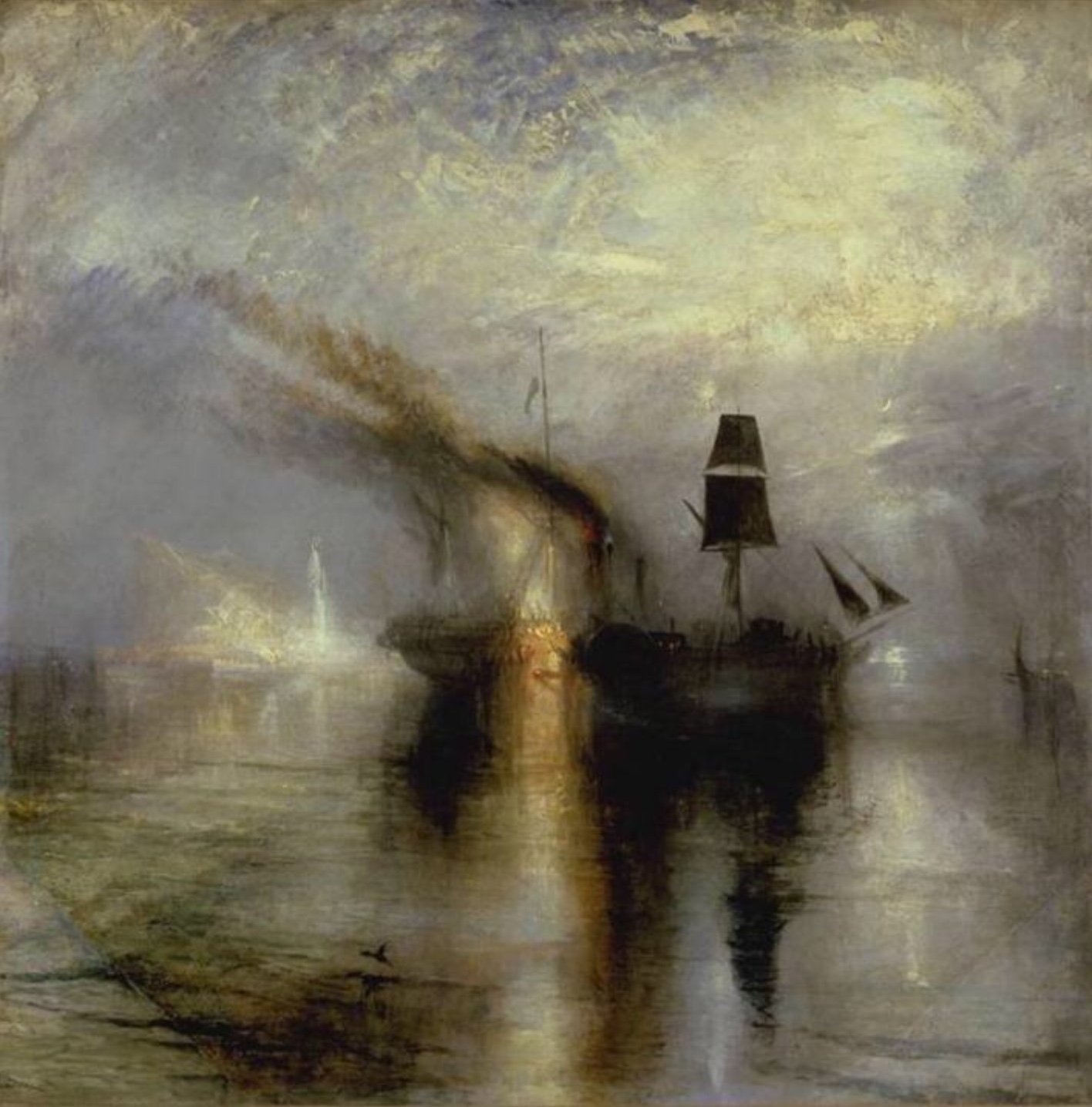
Peace – Burial at Sea is an oil painting on canvas by the English Romantic artist J. M. W.Turner (1775–1851), first exhibited in 1842
Quick Trivia Question…. What do Sir Francis Drake, H. G. Wells, Deng Xiaoping and Janis Joplin have in common?


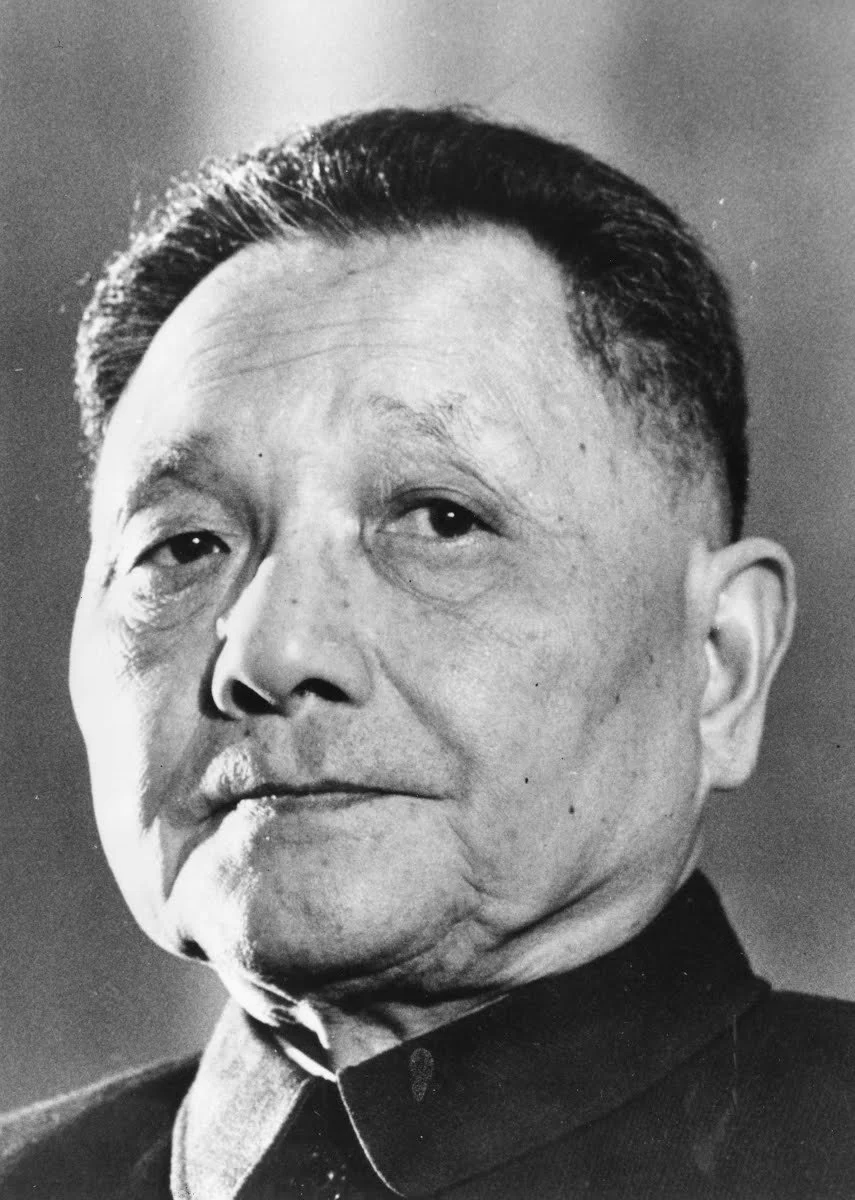

Answer… They were all buried at sea (some after cremation).
My home in Victoria is next door to the Melbourne General Cemetery. It’s a tranquil walk through the graveyard from Carlton to the city. While not planning to die anytime soon, the walk always makes me shiver at the thought of a terrestrial burial. The options for a maritime one seem far more appealing.
But I’m not sure I’d want the full English Navy treatment. Traditionally when a body was committed to the deep, it was stitched into a hammock. A cannonball or two was added to ensure there was no unwanted reappearance and then the last stitch went through the nose. While this sounds like a myth, it was actually quite practical (acting as a final check for life) but also superstitious (it sealed the deceased’s soul into the shroud so it would not follow the ship). After the body was slipped overboard, their remaining possessions were auctioned amongst the crew to raise money for their families.
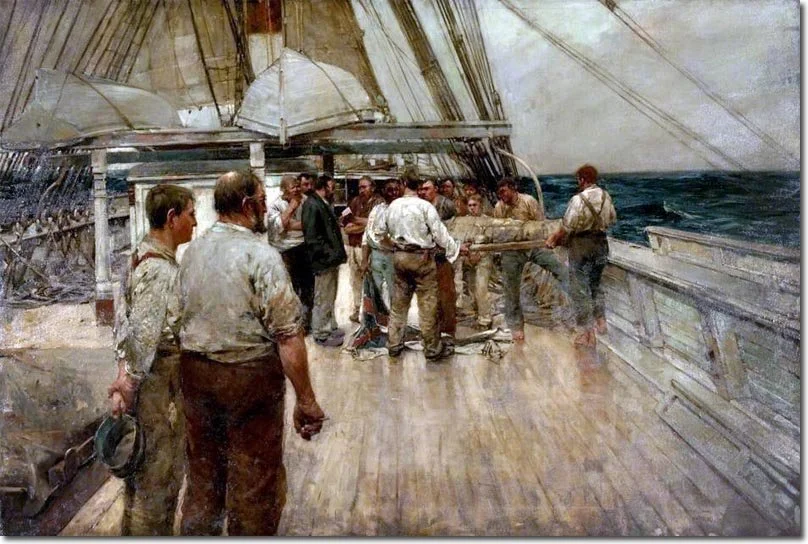
This painting by Frank Brangwyn dates from 1890 but the ceremony has a somewhat timeless quality to it.
So if any of this sounds appealing to you, here are the current rules thanks to Charlie Salter and the Department of Climate Change, Energy, the Environment and Water
Burial at sea
The Environment Protection (Sea Dumping) Act 1981 (Sea Dumping Act) regulates burials at sea in Australia.
Burials at sea—loaded in Australia or performed from an Australian vessel or aircraft—require a permit.
The permit application form must be completed and sent with a copy of the death certificate and the application fee. While our statutory timeframes apply, we aim to process se burial applications within 3-4 working days. Additional approvals may be required under relevant state or territory law. Check your state’s environment website to see if additional approvals are required in your jurisdiction.
Scattering of ashes at sea does not constitute burial at sea and does not require a permit under the Sea Dumping Act.
Reasons for applying
An application for a permit to perform a burial at sea requires that individuals provide a reason for requesting a burial at sea. Reasons include having a demonstrated connection to the sea such as for retired or active navy personnel, fishermen or mariners.
While this is a requirement of the application, permits can still be granted to individuals that do not have a demonstrated connection to the sea. Individuals that may wish to be buried at sea should make their wishes (and the reasons for their wishes) known within their will, as well as notifying family and loved ones. This will allow the appropriate person to request a sea burial on their behalf.
Required documents
We recommend that you contact the department prior to submitting an application to ensure a timely outcome.
A permit application must be submitted with:
a completed burial at sea - Permit application form
a medical certificate of death, or Coroner’s order for burial, or order authorising the disposal of a body
payment of the permit application fee of $1675.
Processing is most efficient when application forms are submitted complete with payment and supporting documentation. Contact details for the application should be up to date in case correspondence is required.
Burial locations
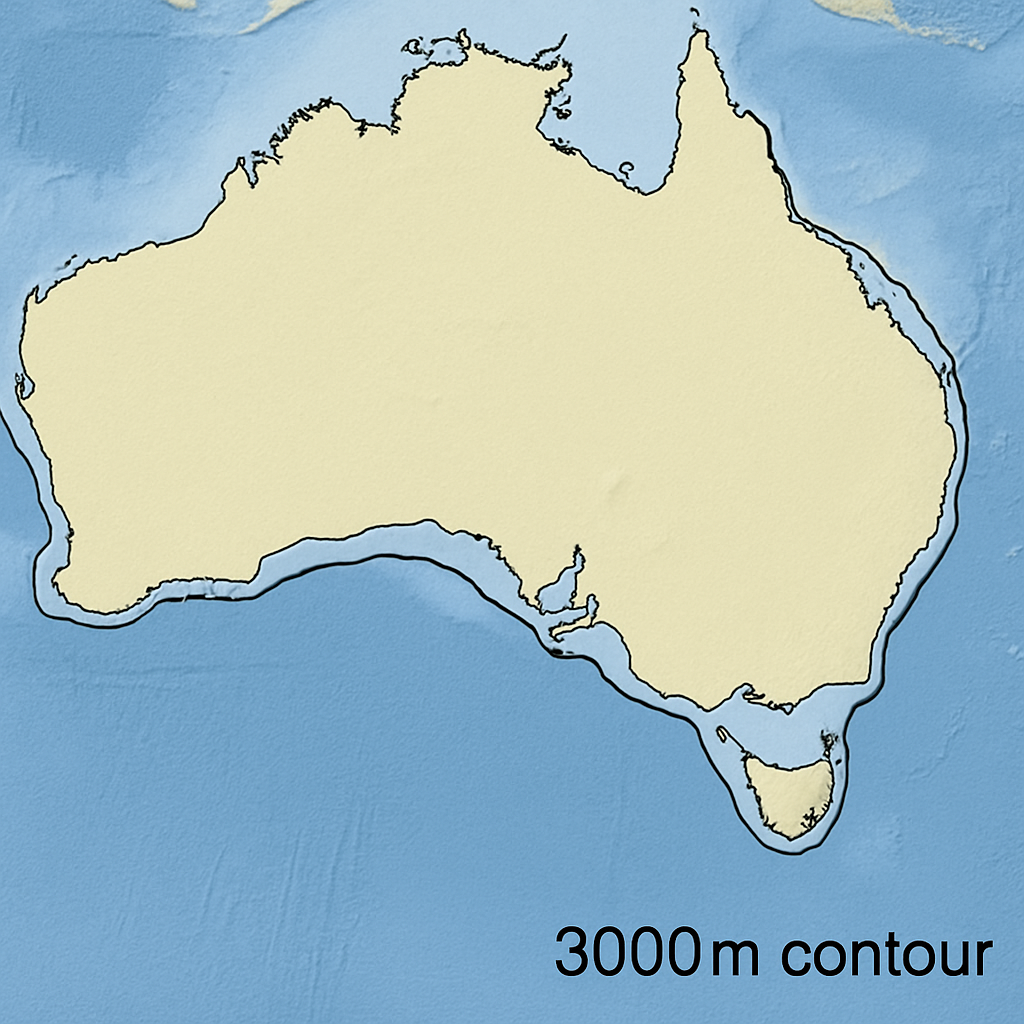
Sea burials are only permitted in waters with a depth greater than 3000 metres. Sea burial sites must not conflict with other uses of the sea, such as trawling/fishing grounds. Due to these constraints, sea burial sites are usually located a long distance offshore. This can create logistical challenges in arranging the burial.
While not compulsory, it is recommended that the person arranging the sea burial contact a funeral home to manage the logistics. Another option is to contact a local charter operator who may be able to provide advice on an appropriate site.
Preparation
The body needs to be properly prepared for burial at sea. It is appropriate for the body to be sewn into a shroud made of a very strong, biodegradable material that does not contain plastic fibres or has been chemically treated (e.g., Calico). The shroud should be adequately weighted (all plastics must be removed) to ensure rapid descent and permanent submersion of the body and include slits or openings to minimise flotation.
Permit application form and fee
The application fee for a sea burial permit is $1675. For more information on how to pay the fee, visit: how to apply for a sea dumping permit.
Perhaps arranging these ceremonies could be an much needed additional income stream for the team at SWS!
And in celebration of Shakespeare’s four hundred and sixty first birthday this week… on the same theme….