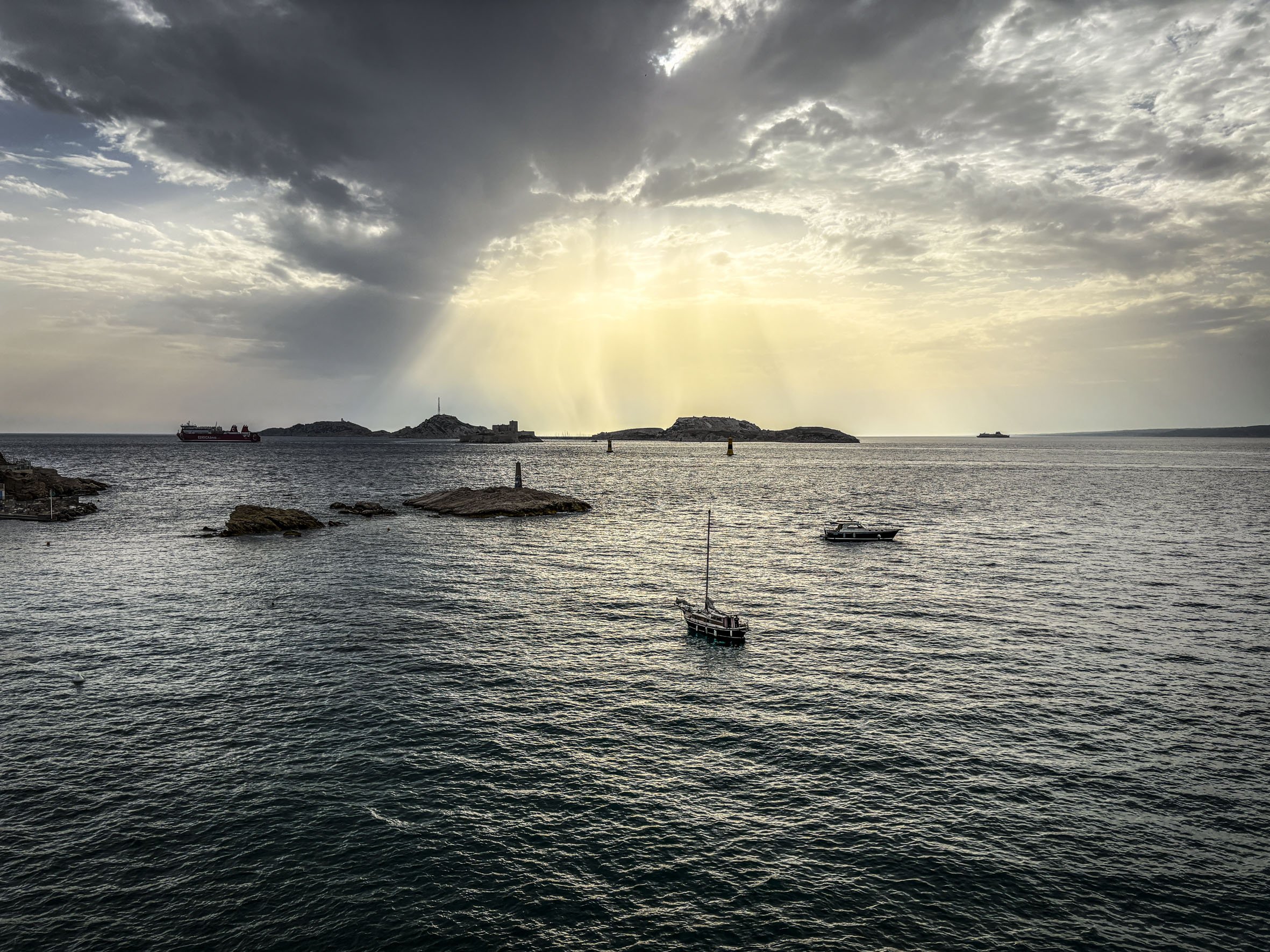
Across the Gulf of Lion.
The first serious sail in any recently acquired boat, is a tense affair. Nothing comes naturally. Hand and footholds aren’t where you expect them. The VHF crackles in Spanish and French and switching things on and off (Nav lights/ steaming lights/ inverters/ gas cutoffs) takes a moment’s thought, rather than an instinctive action. When is it time to reef? Is the boat going well or are we pushing too hard? What’s that smell? What’s that noise? All these questions raced through my mind at one stage or another as we made our first significant passage this week from Valencia in Spain, to Marseille in France.
I’m not planning to turn SWS into my personal travelogue, but occasional first hand insights into the places, process and pleasures of long term cruising will hopefully interest and inspire some of our readers.
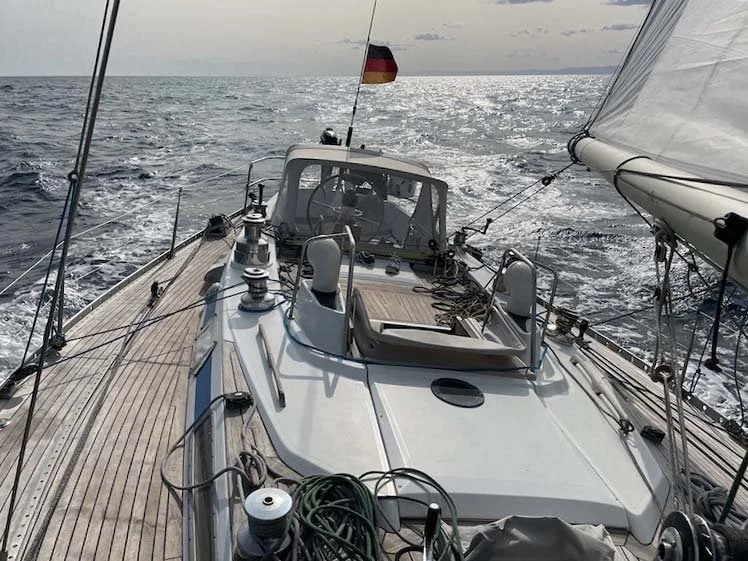
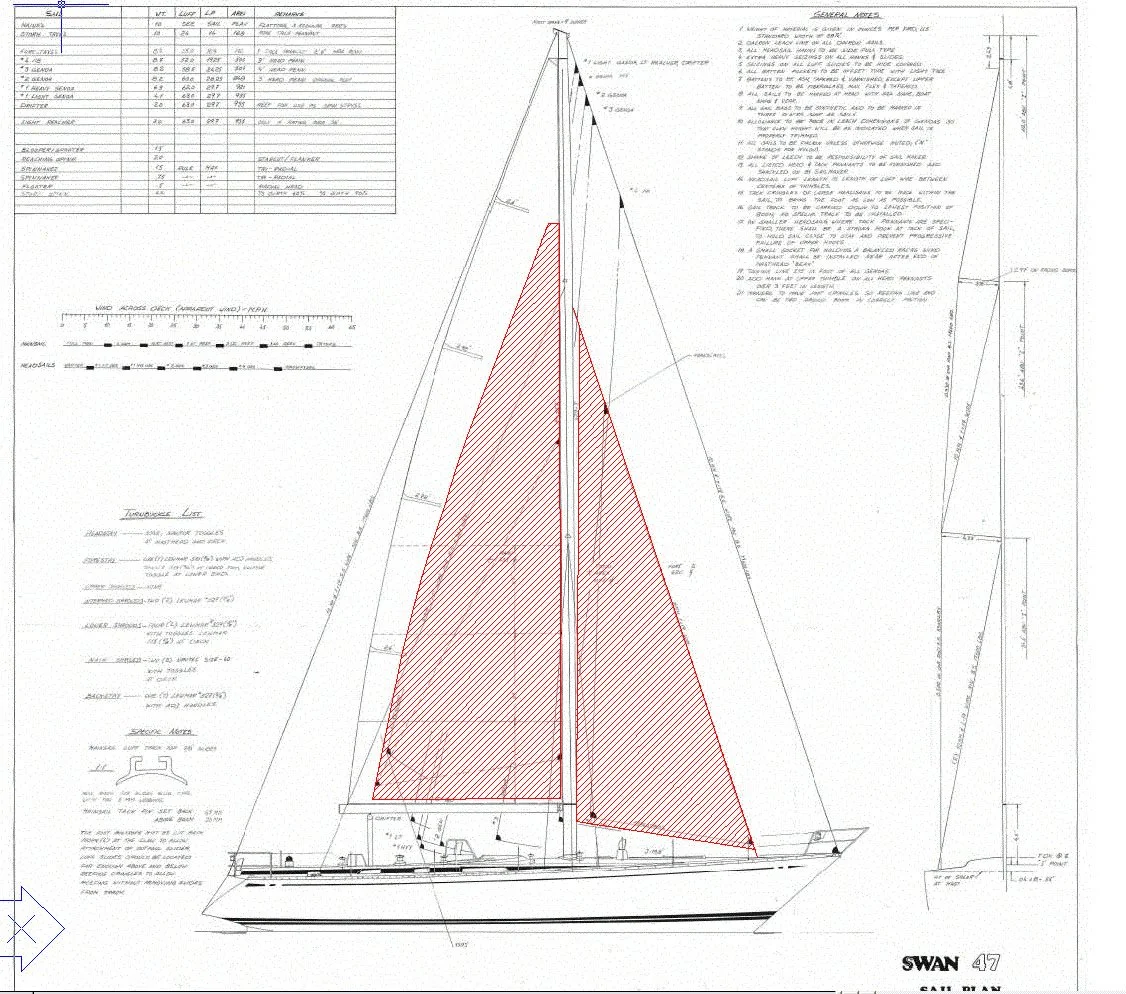
The boat we are in was described in THIS article from a couple of weeks ago. To summarise, she is forty seven years old, and forty seven foot long, and designed by S&S for the famous Finnish yard of Nautor Swan. She has a typically powerful masthead rig, comfortable accommodations, (but not voluminous by today’s standard) and yes, she is made of fibre glass.
We purchased her in July and moved onboard in Valencia in August. We added a few things like a water maker to give us independence from Mediterranean Marinas, a holding tank, because nowadays not having one is morally untenable, and a Starlink dish because despite the absence of morality displayed by its creator, there is no realistic alternative for keeping up with work while at sea.
With what’s left of summer we have decided to attempt a clockwise trip around the western Med. Something like Valencia, Cadaques, Marseille, Porquerolles, Antibes, Corsica, Sardinia, across to the Balearics and back to Valencia for winter. This should give us about 1200nm miles under the keel in predictable coast hopping to understand the boat better and fix any glitches before considering more serious adventures.
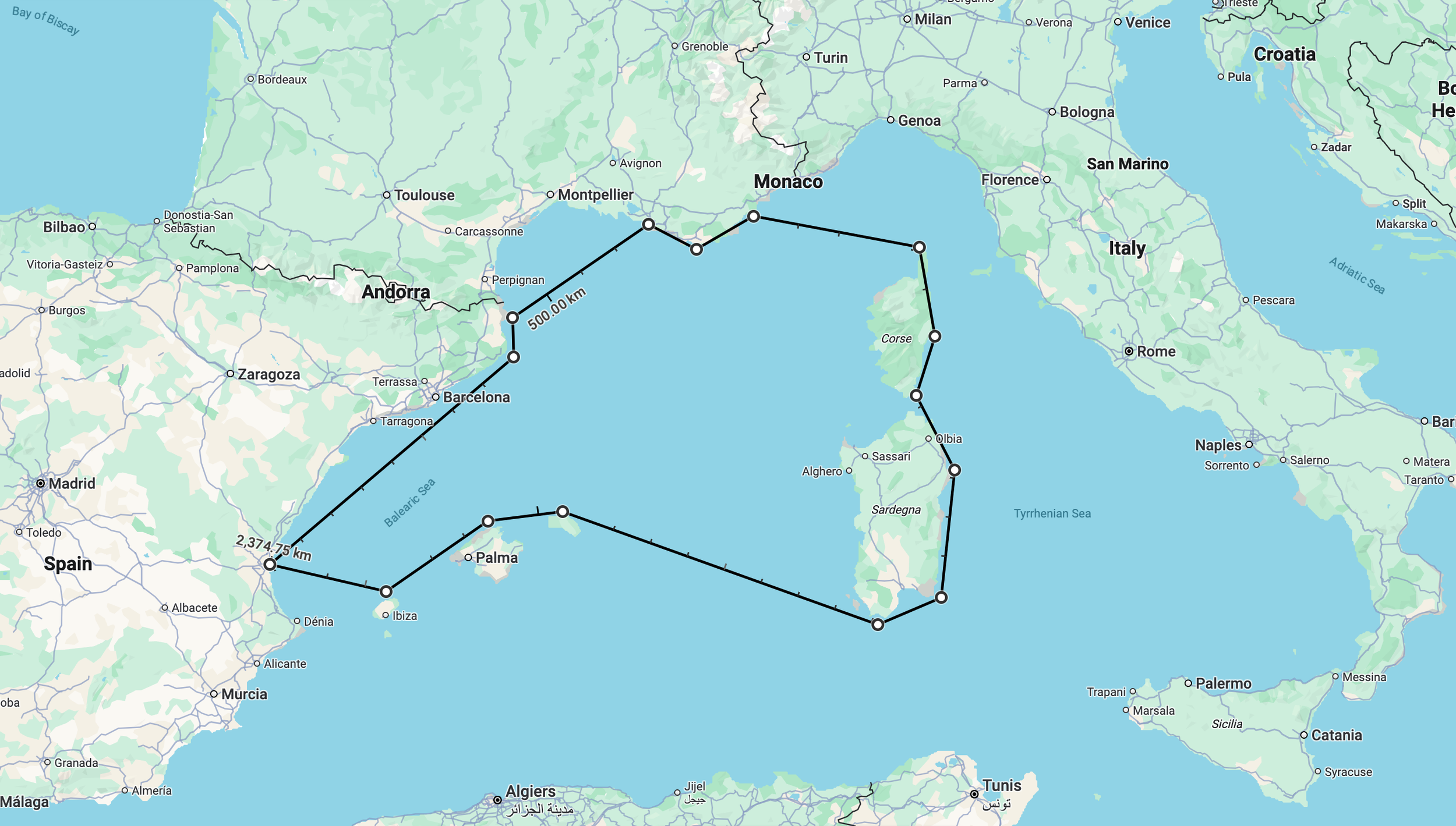
The longest passage of this circuit would be the first one which is not ideal but, we had good crew and bubbling enthusiasm to make it work. From Valencia to Cadaques near the French Spanish boarder is about 250 miles, sailing past Spain’s second biggest city Barcelona to a small coastal holiday town where Salvadore Dali live almost all of his life.
The weather in Valencia had been hot and predictable. Around 2pm a sea breeze springs up from the east and strengthens until about 5pm when it might reach 15 knots and then dies off from 8pm onwards. So we tried to minimise the expected motoring and headed off around midday.
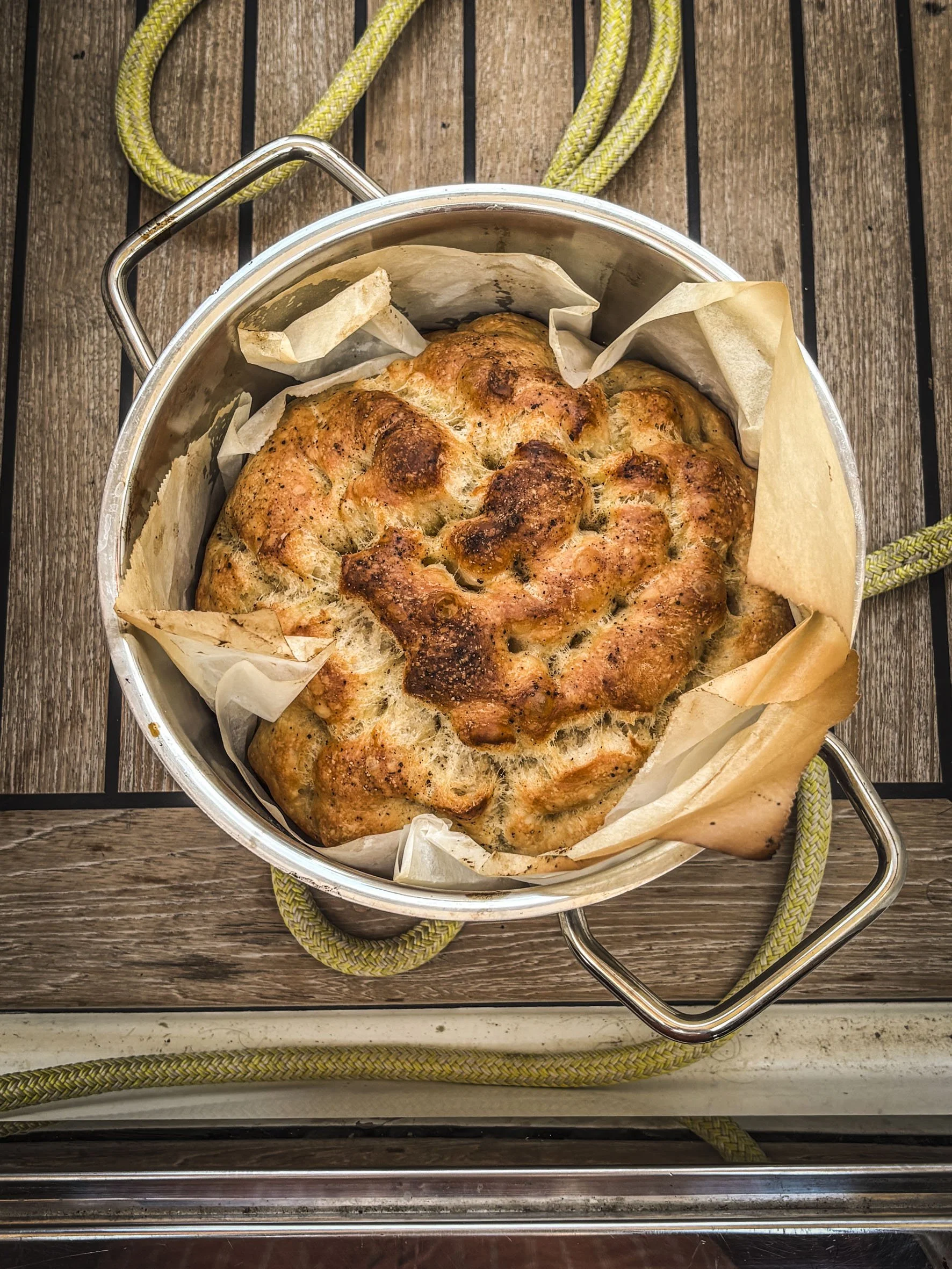
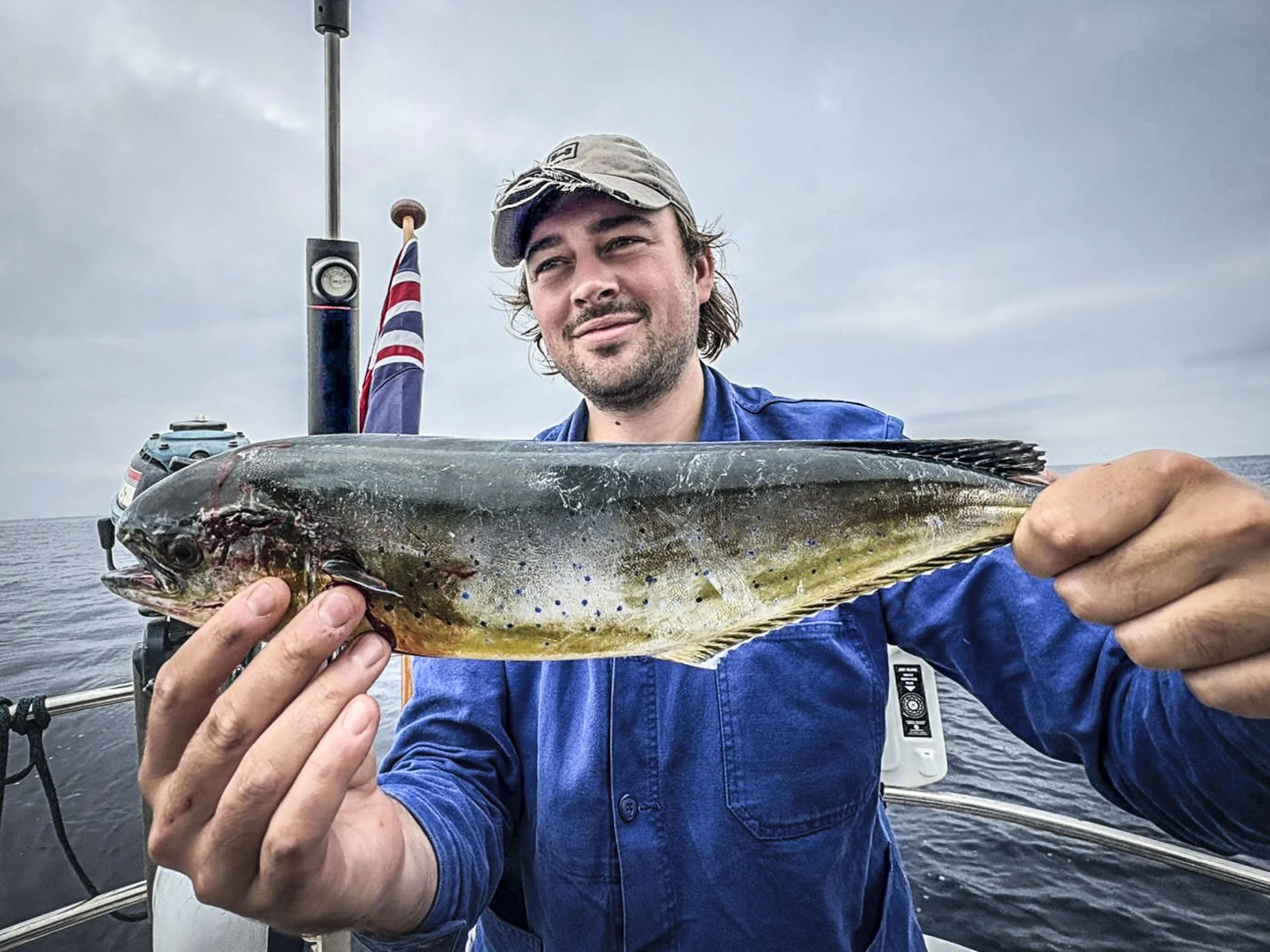
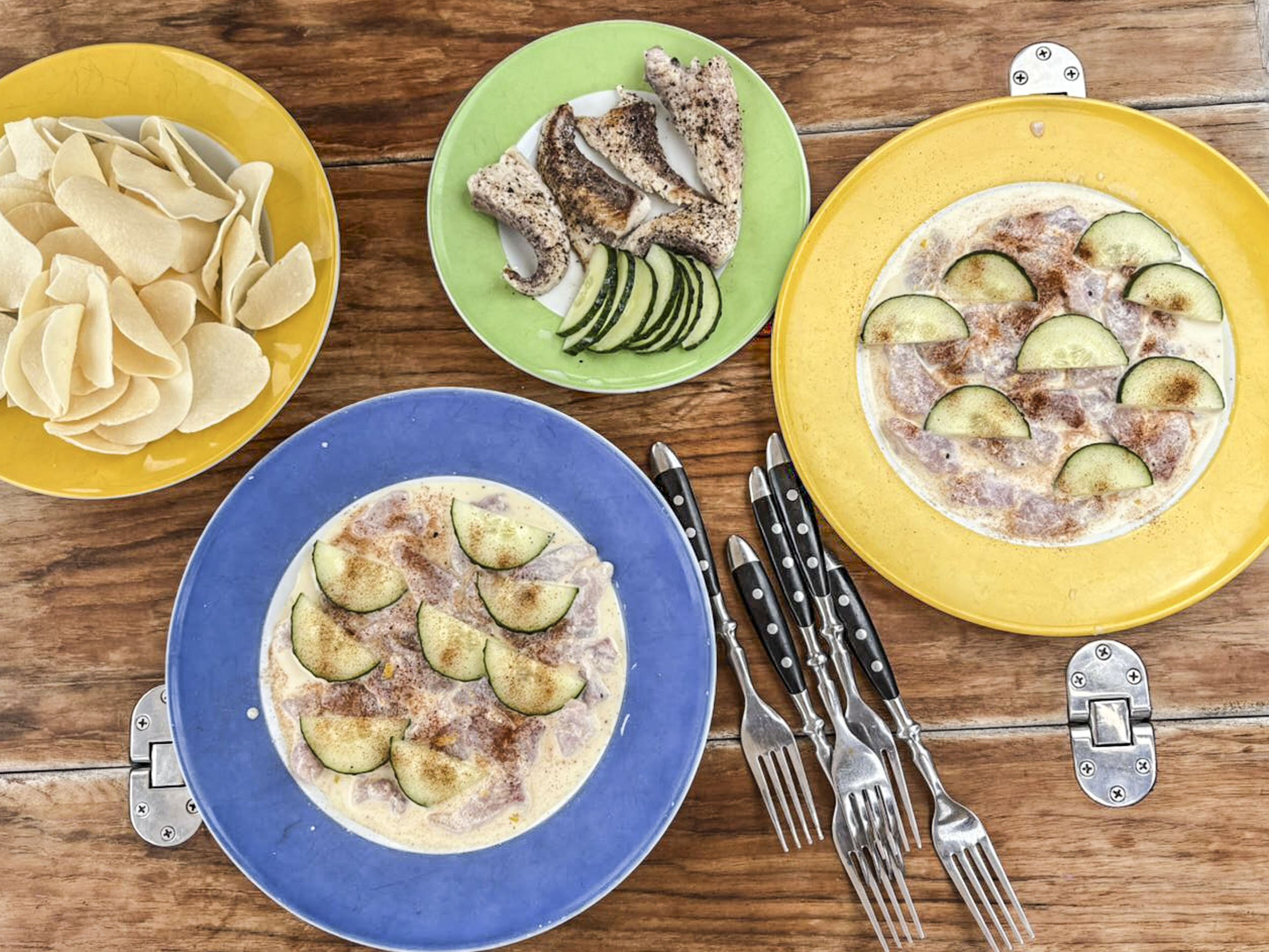
Hoisting the main and unfurling the head sail for the first time was a special moment. With the hot, light wind we tracked North East broad reaching towards Barcelona at a leisurely 4 knots realising that this was the dream unfolding. The culmination of years of, planning, expense, and decision making. It was hot and airless but the Mediterannean sparkled and the miles slipped behind us. Sailing at night in this part of the world is mostly about keeping a good watch. AIS is great, but there are plenty of craft out there that don’t use it and are only in analogue format so a full scan of the horizon every ten minutes provides a level of reassurance. We quickly settled into life on board. With five crew, we used the “FAIR WINDS” model of watch pairs rotating every two hours. This gives each crew member two hours on, two hours off, two hours on and then four hours off. It’s pretty relaxing and you always have someone to chat to. The bread making started with the Focaccia dough proving overnight in the fridge before being baked for breakfast the next morning. A small Mahi Mahi, soaked in lemon and coconut milk, was served as ceviche within 20 minutes of being hauled in on a hand line.

Passing Barcelona it got busy with the ferries and fishing boats and container ships crossing ahead and behind us. But once up to Cap de Bigur, we were on our own, motoring north to the small Spanish fishing and holiday town of Cadaqués.
After two nights at sea we anchored in three meters of water in a tiny cove just North of Cadaqués, called Port Lligatt, in front of a rock that features in many of Dali’s paintings. His house amongst the olive trees glowing in the morning light across the bay.
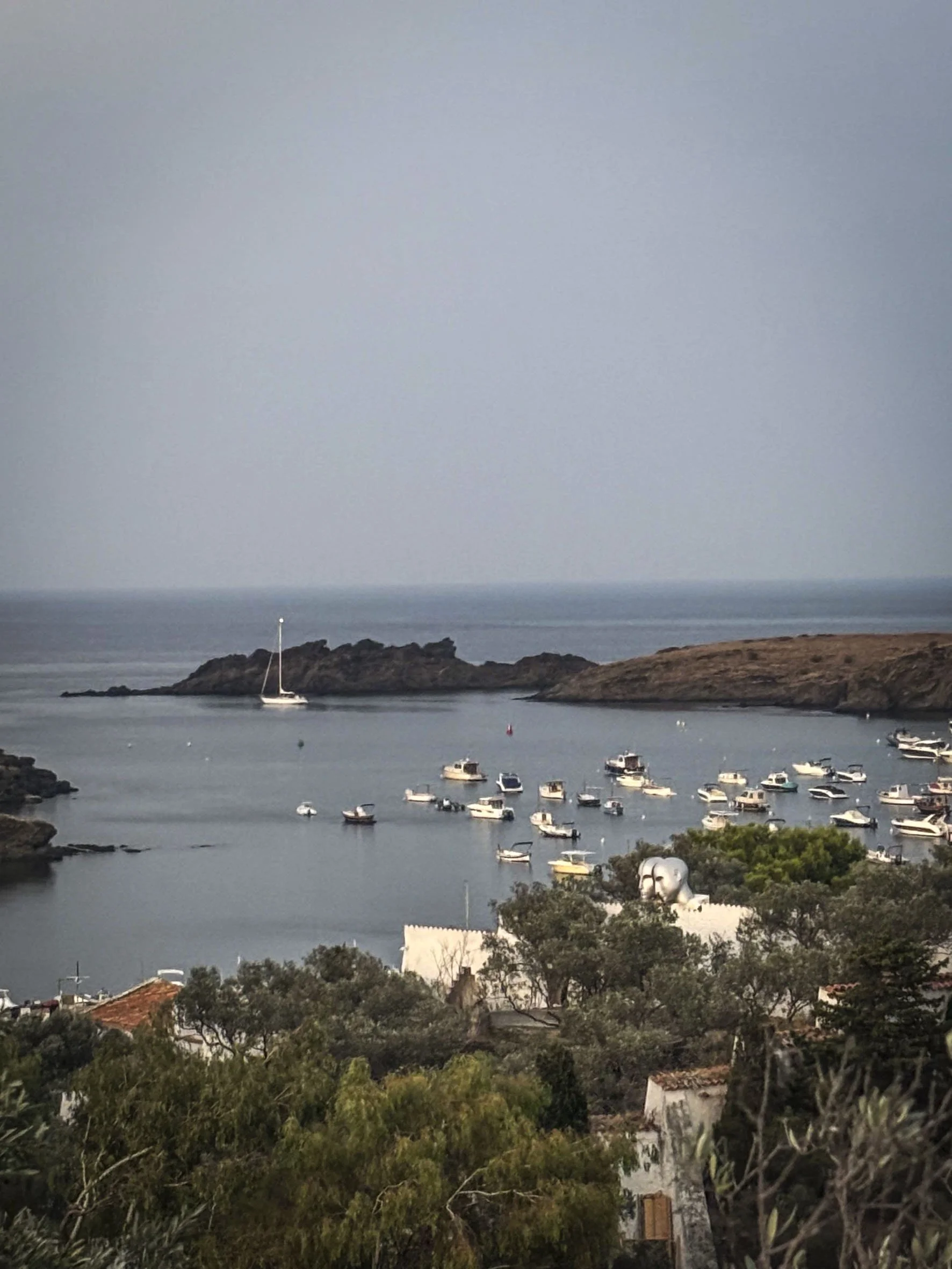
Dali’s house with the two silver heads in the foreground. MATILDA with anchor light on, in front of the rocks in the background.
Dalí had a lifelong, intimate connection with this small fishing village on Spain’s Costa Brava. His family spent summers here from his childhood and the harsh light, rugged coastline and whitewashed houses became regular imagery in his art. He established his home and studio in this cove where he lived for decades with Gala his wife, transforming a cluster of fishermen’s huts into a labyrinthine house filled with surrealist touches. The landscapes of Cadaqués and the Cap de Creus peninsula recur constantly in his paintings, making the town not only his personal refuge but also one of the key sources of his artistic imagination.
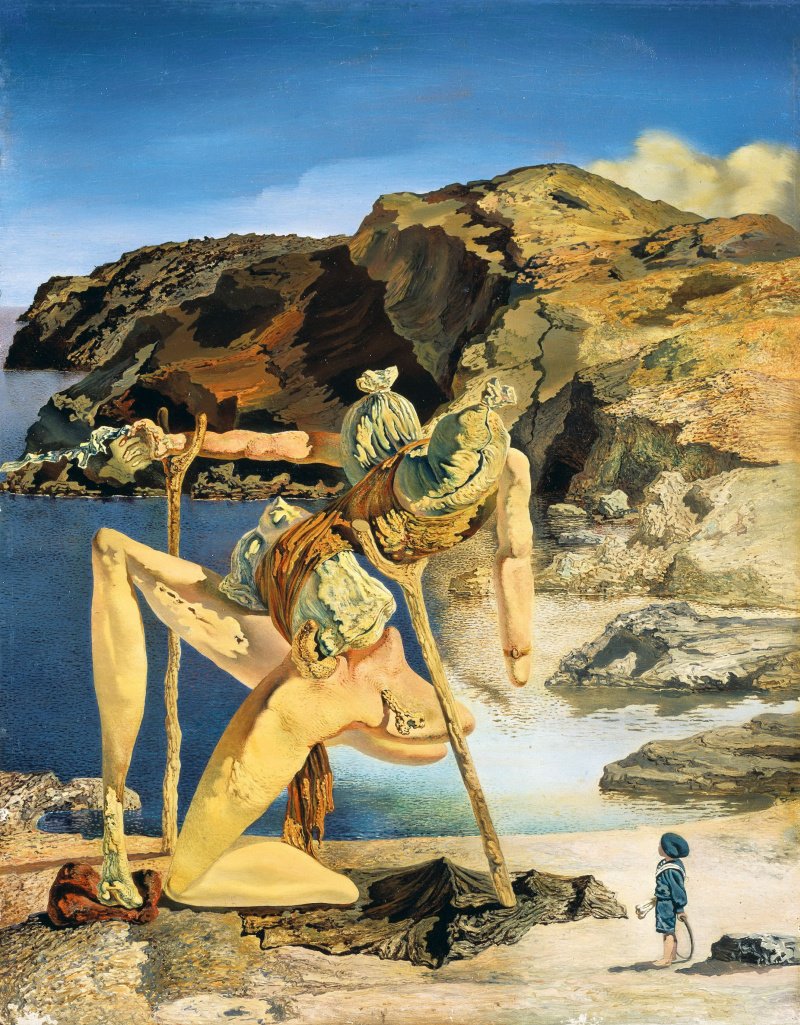
“The Spectre of Sex Appeal” (1934)
Of his 1929 piece his “The Great Masturbator” Dali wrote…
In that privileged place, reality and the sublime dimension almost come together. My mystical paradise begins in the plains of the Empordà, is surrounded by the Alberes hills, and reaches plenitude in the bay of Cadaqués. This land is my permanent inspiration. The only place in the world, too, where I feel loved. When I painted that rock that I entitled The Great Masturbator, I did nothing more than render homage to one of the promontories of my kingdom, and my painting was a hymn to one of the jewels of my crown.
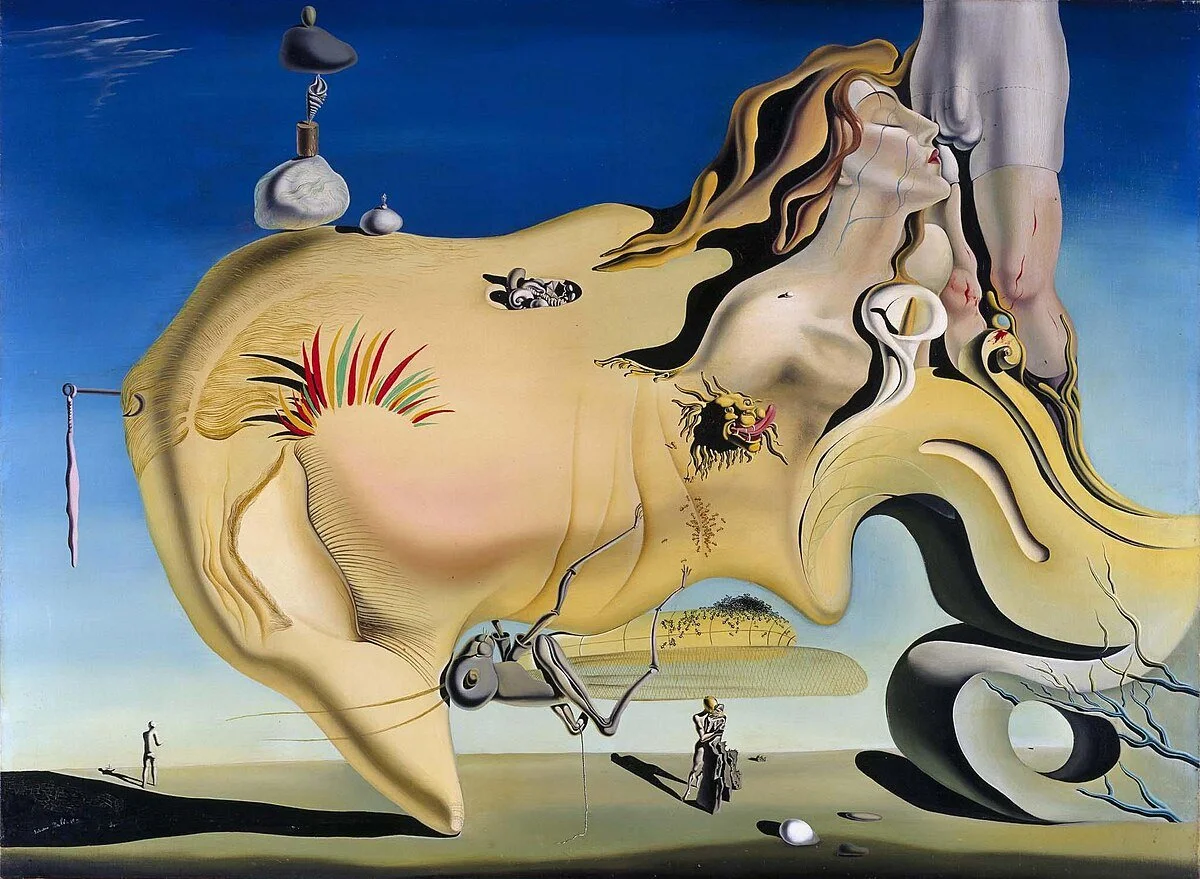
“The Great Masturbator” (1929)
After a day exploring the town and dinner at the remarkable Oli Bar we pulled up our new 33kg Rocna anchor (more on that in another article) and pointed the bows at Marseille 120 miles away. Once underway we lowered the Spanish courtesy flag from the starboard shrouds and hoisted a small Tricolour.
That’s when the fun started. After an few hours we disappeared into a thick fog bank. The Gulf of Lion is famous for winds and weather: The Mistral can funnel through the Pyrenees and rise suddenly, reaching gale force quickly, bringing steep short waves. But this wasn’t our problem as we discussed how much visibility we had and how quickly we would have to react if a large bow appeared out of the soup. A reminder went around as to the position of the autopilot “off” button.
It was a little tense but not unpleasant sailing and after a few hours we popped out of the murk to a starlit sky and a building North Easter. We could just lay the Ile Pomegues off Marseille and the 1970’s S&S design began to live up to her reputation as a windward wizard . As it was getting dark and the wind was building we put in our first ever reef, and furled away a few turns on the big genoa, MATILDA said thank you and we romped through the darkness, beating into 23 knots of wind towards the famous old port. I’ve never felt so comfortable, hard on the wind in a stiff breeze. Despite making seven and a half knots into the notorious Med “chop”, the motion was slow and easy, the heal was consistent, the helm was light and the cockpit dry.
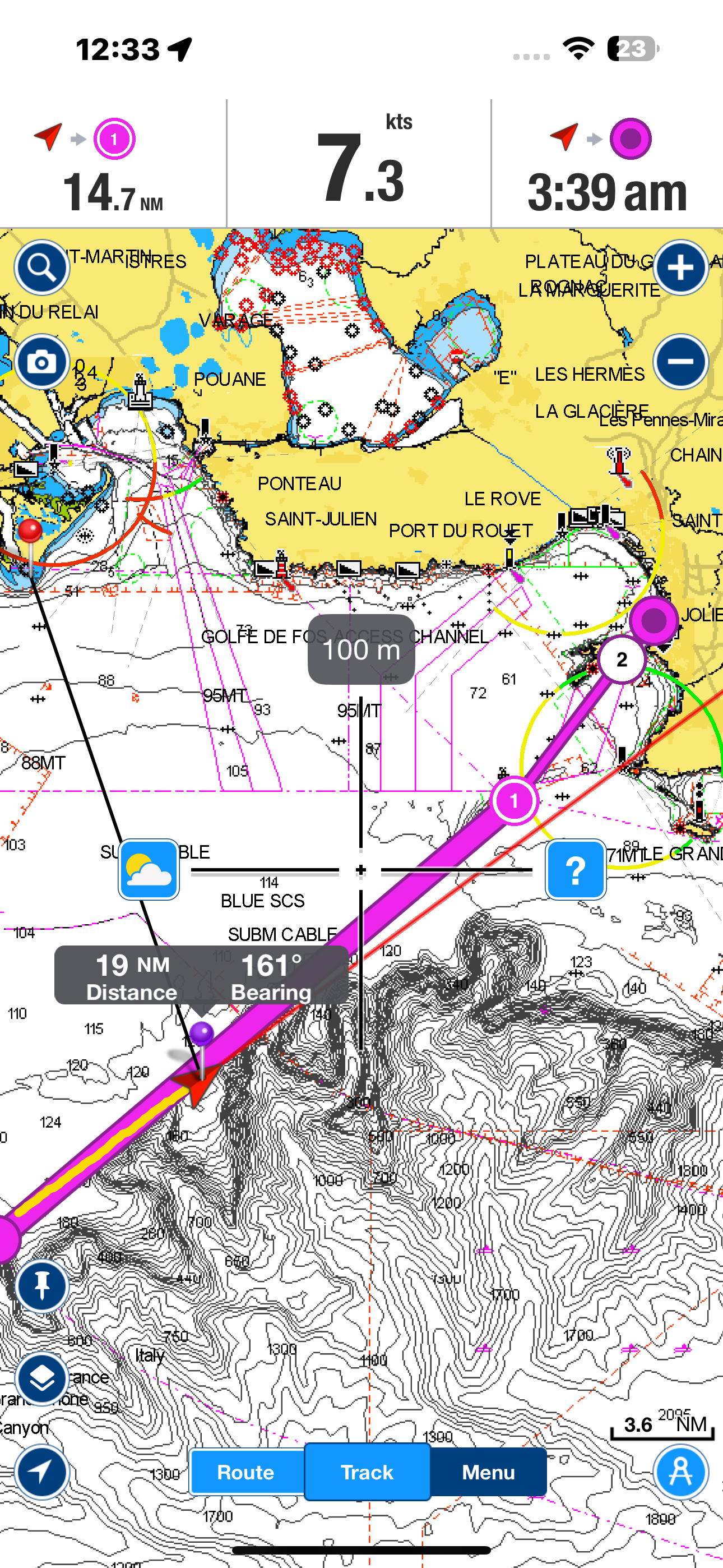
Approaching Marseille along the Mediterranean shelf where the cliff drops 1km close to vertically
I guess famous designs become famous for a reason. And we had just discovered what Olin Stephens had got so right. After six hours of this joy, as we approached the old town the wind died to a zephyr. At 0430 we motored into the Vieux Port between the two massive forts and felt the silence of an ancient town yet to wake to the excitement new day.
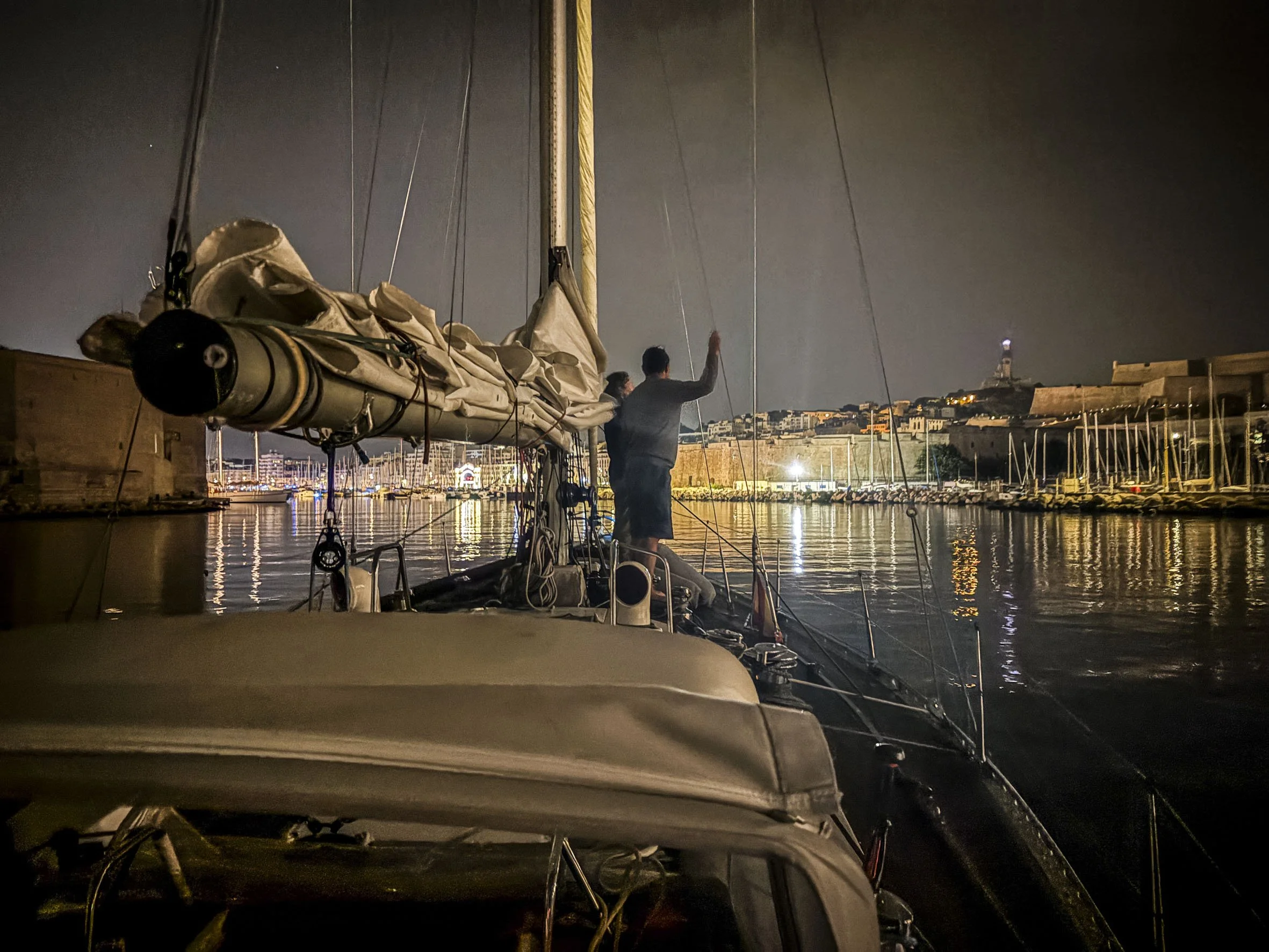
We were tired and hungry, but proud to have completed our first passage on the “new boat”. We are still getting to know each other but I think this might be the start of a love affair.