
Flotsam & Jetsam- 24.10.25
Traditional Boat news from around the world and its wide web
Scalefish Rules-Tasmania
We’ve always been more of a sailing boat that occasionally fishes, rather than a fishing boat with sails…
But we are not adverse to pulling in a few flatties or calamari when the time is right. Those who spend time in the greatest cruising ground on earth (Tasmania) should be aware of a survey being done by Fishing Tasmania entilted “Scalefish Rules Remake- Have your say”
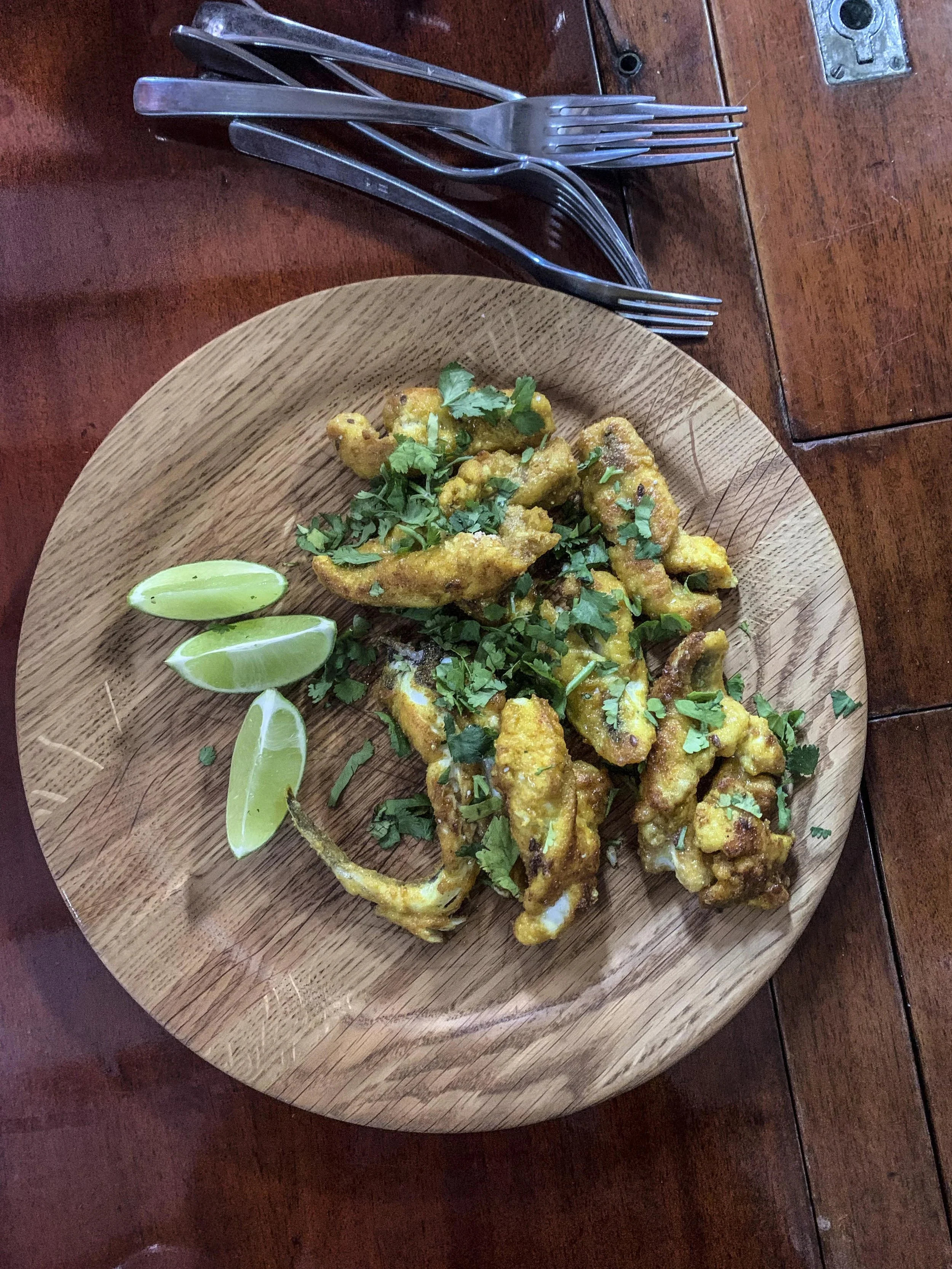
5 crew, 5 forks and 5 flathead with turmeric dust for dinner. Ironstone Bay, Tasmania
Species like sand flathead, southern calamari and striped trumpeter fall into this category. Fishing pressure for these species is likely too high for recovery, so management changes are needed.
The Survey form is hear. Scalefish Rules Remake Early Engagement Survey
You can provide feedback by survey, email, post or via your representative body until 11:59pm Wednesday 19 November.
Your feedback will help inform what changes are proposed as part of the 2026 Scalefish Rules Remake.
Whether they are can actioned as part of the Remake will depend on:
if the suggested change is supported by the latest fisheries science;
if it is fair for all users of the fishery;
if the identified issue is a priority;
if the proposed solution can be appropriately resourced by the Department; and
if the Remake is the right place to address the issue. For example, an issue may be better addressed through policy changes or need more research.
Remember, if you don’t make the effort to have a say, you have abrogated your right to critisize the final outcome!
What’s Going on with LULWORTH?
Thanks to Malcolm Lambe this week for alerting us to the plight of the magificent and storied 1920 LULWORTH designed by Herbert White.
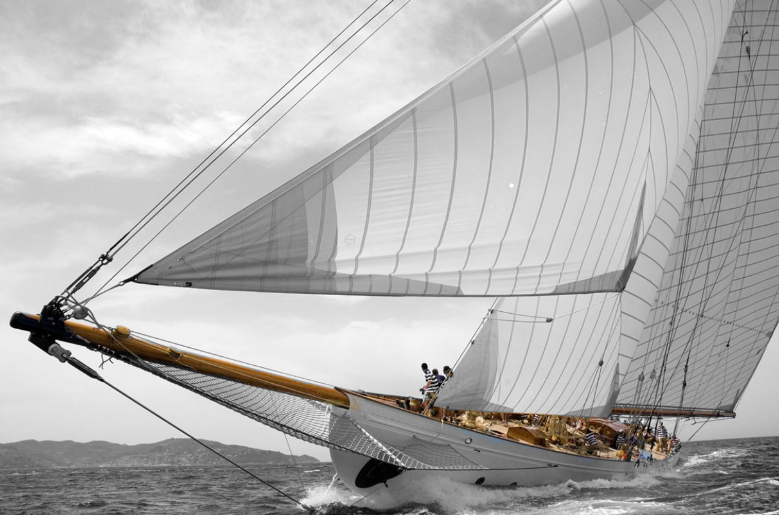
A post from National Historic Ships UK states
HISTORIC VESSEL FOR SALE
Although she's not on the Registers, we thought some of our readers (with deep pockets!) may be interested in the upcoming auction of the 1920 sailing vessel LULWORTH.
Built by White Brothers of Southampton for for Richard H. Lee, who wanted a racing boat to compete in the premier yachting league in Europe: the British "Big Class". From 1920 to 1930, she took part in 258 regattas, taking 59 first places.
In 1947 LULWORTH was saved from the scrapyard by Richard Lucas and his wife Rene. She was taken to Whites Shipyard for restoration and mud-berthed in the River Hamble where she served as a houseboat.
In 1990 her hull was shipped to Italy in hopes of a refit. A meticulous renovation was started in 2002 which saved 70% of her furnishings and 80% of her steel frames. The sail plan from 1926 was replicated to recreate Lulworth's rig, which features the world's tallest wooden mast. She was relaunched in 2006, immediately re-entering racing competition. She subsequently won a Boat International Award for the "Best refit of 2006". LULWORTH is the world's largest gaff-rigged cutter.
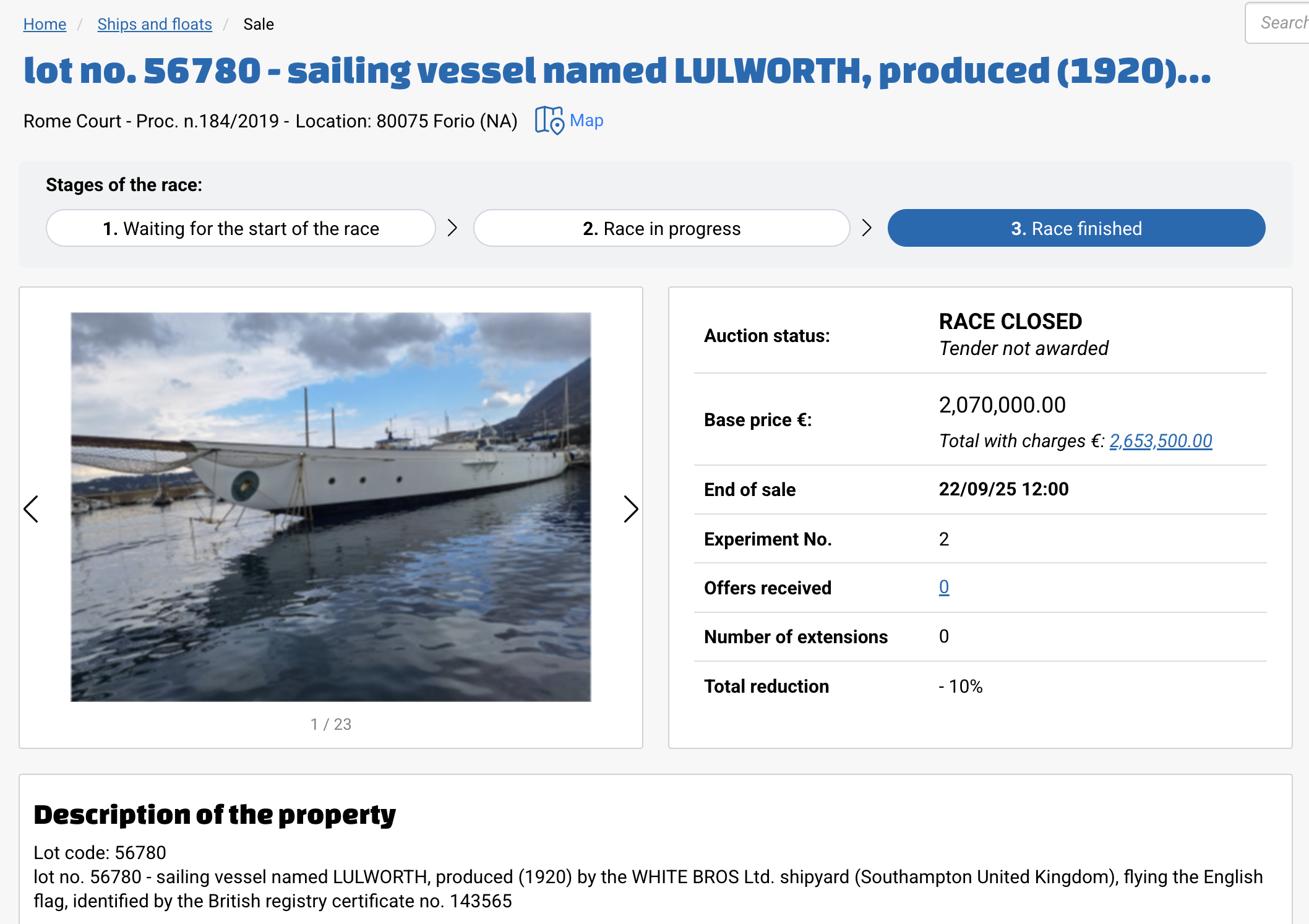
The vessel has been seized and is now available for sale in auction on Fallcoaste, the online platform authorized by the Italian Ministry of Justice. The auction will start at a base price lower than the value stated in the official appraisal. The vessel is currently docked at the port of Ischia.
Full appraisal report and more images:
https://www.fallcoaste.it/.../lotto-n-56780-nave-a-vela...
NOTE: The sale is nothing to do with with NHS-UK, we are just sharing the link. Please see the link for all the information.
But when you visit the auction site it states that the bidding is closed with no offers. Hmmm. There’s something strange going on here!
Pricey Phinisi
We are always excited at SWS to hear of traditional boats being built and used in ways that ensure the design and history is in some way kept alive. This story from The Times is just such a case. While $23,000 per person for a week’s holiday will rule out your average punter, it’s great to see that someone cares enough to keep these craft sailing!
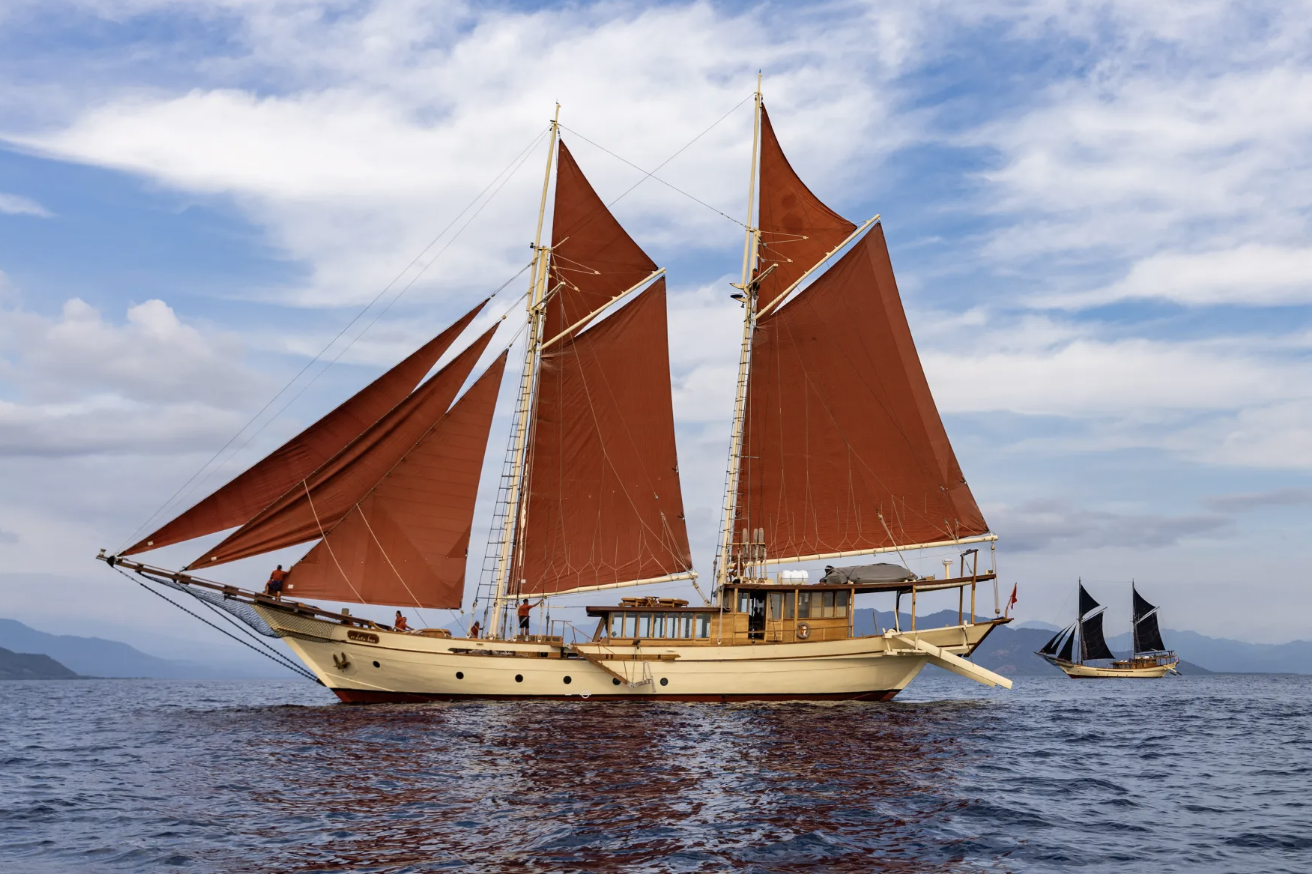
The twin-masted Si Datu Bua
“Looking out across the Pacific, I assume the dark cloud of airborne creatures flitting towards my Rib are swallows. Then I realise they’re too big, and too numerous, to be an avian flock. “Bats!” the captain of my boat exclaims delightedly, as layers of scalloped-winged creatures flap over our heads towards the insect-rich forests of Lembata island. “That’s good. We’ll have no problems with mosquitoes tonight!”
Bats aren’t something I’d ever have associated with sailing. But, as I discover over a six-day journey around the southeastern Indonesian islands near Flores, very little here is “normal”. Just across the bay in which we’re moored, a volcano keeps puffing thick clouds of sulphurous ash into the air, every now and then emitting a BOOM! that reverberates in my chest. At night, the new moon (slightly spookily) sets at the same time as the sun. Whales puff spouts of water into the air. As the bats pass overhead, and we deftly surf waves towards our pair of yachts (yes, pair!), I catch myself for the hundredth time that day grinning inanely. This place is wild — in every way.
Sailing amid these uninhabited, mountainous islands, it makes sense why this region has for centuries been the source of inspiration — for Joseph Conrad’s novels, the story of King Kong and Steven Spielberg’s Jurassic Park, as well as Zoo Quest, David Attenborough’s 1954 documentary (his first). Even 150 years after the British naturalist Alfred Wallace intrepidly traversed these waters to collect specimens, these islands feel positively primeval.”
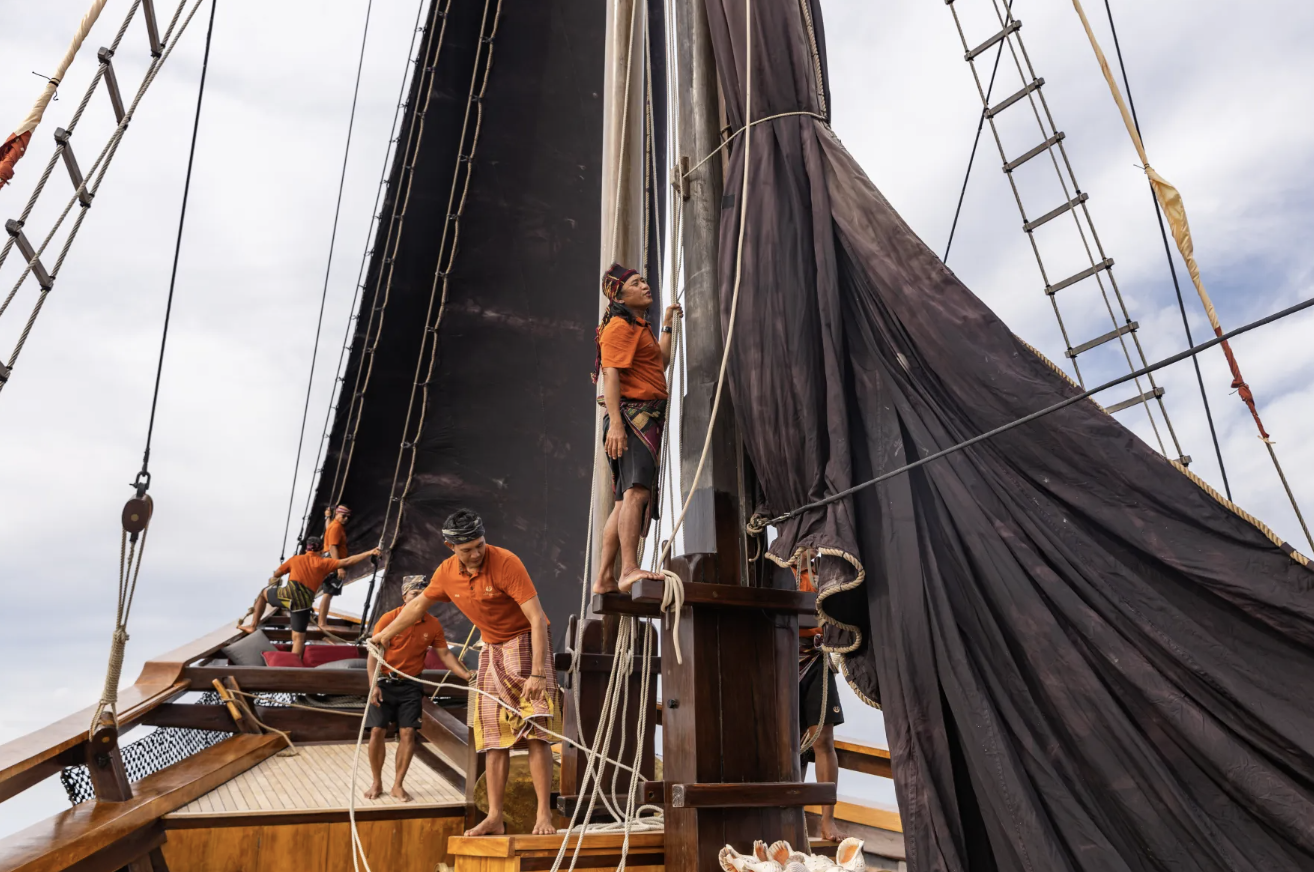
The crew hoisting sails on Silolona
Why did ENDURANCE sink?
For those of you with a particular interest in the adventures of Ernest Shackleton, there has been a long and comprehensive report published by Cambridge University Press and written by Jukka Tuhkuri, as to the potential reasons behind the sinking of the ENDURANCE
Sir Ernest Shackleton’s ship, Endurance, was crushed by Antarctic sea ice and sank in November 1915. Since then, it has been widely considered that Endurance was the strongest polar ship of its time and was lost because ice tore away the rudder. Based on expedition diaries, Shackleton’s correspondence, and structural analysis, this paper shows that Endurance was not among the strongest ships of its time and that the rudder was not the main cause of the vessel sinking. While the final reason was tearing off the keel, Endurance sank because the vessel was simply crushed in compression by ice.
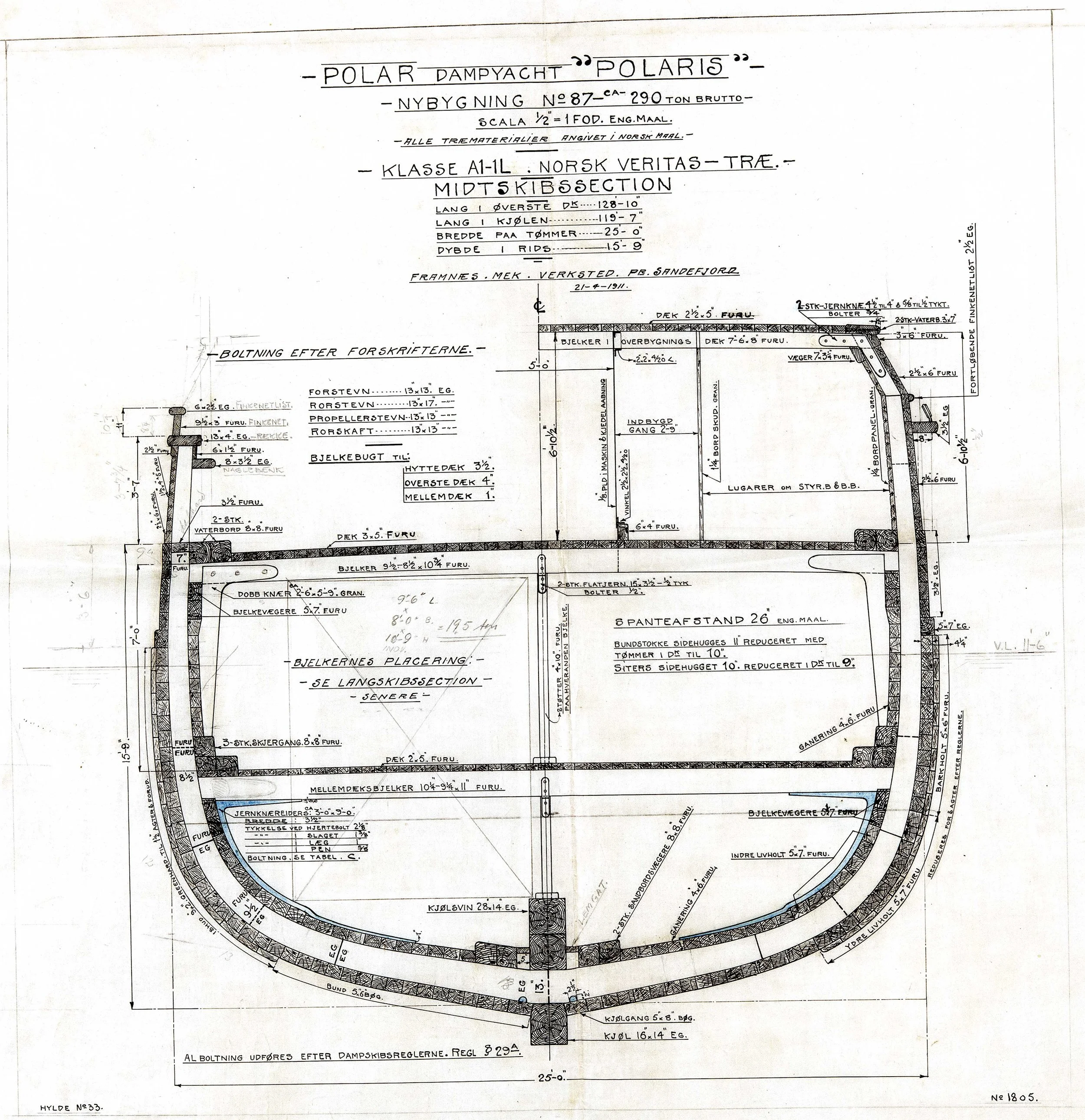
This is not surprising, Endurance was not designed for compressive conditions in the Antarctic pack ice, but for easier conditions at the ice edge in the Arctic. The weakest part of its hull was the engine room area, which was not only larger than in other early Antarctic ships but also lacked beams to give strength against compression by ice. Comparison with other wooden polar ships is not favourable for Endurance: ships designed for compressive pack ice were stronger. It is also evident from archive research that Shackleton was well aware of the weaknesses of Endurance even before his expedition set sail for Antarctica.
Read the full article HERE
Fluid Boarders
And finally if you are looking for something a little darker and more challenging you could do worse than watch this 11 minute video by the Outlaw Ocean Project. Its a story that we manage to push into the background despite it playing out on the fringes of Australia’s Maritime influence.
The South China Seas are home to the most hotly contested waters on Earth and Indonesia, the world’s largest archipelago, is virtually impossible to police. For decades, its sprawling waters have been the playground for illegal, unregulated, and unreported fishing. When the country began cracking down on trespassers, arresting foreign crew and blowing up their boats, its tactics were hailed as effective, but the controversy provoked the ire of many.