Broadening the Band
With only just over three months to the 19th Edition of the Classic Yacht Association’s Annual “Cup Regatta” on Port Phillip, the big news is that the CYAA have decided to include, for the first time, “Modern Classics” in what has become a must do event for the Victorian traditional boat sailor. So, of course the question arises …. “What constitutes modern Classic?” Well, the Politburo down at the CYAA have settled on this definition….
‘Mono hull yachts in any material and constructed by any means, prior to 1975 or based on a pre-1975 design, which conforms to the original design and retains its aesthetic characteristics as a Classic.”
(A couple of comments on the above definition… I’m unsure as to whether 1975 is a cut off, or the start of a 50 year rolling marker? And what’s with the prejudice against having two [or more] hulls? The Herreshoffs and the Wharrams would be disappointed. Multihulls have been around in this corner of the world a lot longer than keelboats!)
If you have been reading SWS for a while you will have heard me express my opinion about how the Classic sailing world needs to shift its outlook from one of exclusivity (“you don’t qualify to sail with us”) to one the is inclusive at every opportunity. It shouldn’t be so much about what your boat is made of, but what your attitude is to the values of community, craft, tradition and adventure.
With this in mind, this change at the CYAA can only be seen as a positive step forward. By all means have a separate trophy for the timber yachts and particular classes, but that’s about the least important bit of the whole long weekend!
So, this got me thinking… what sort of boats, common on Port Phillip, fit snugly into the new definition.
Here are four designs that spring to mind. If you know someone with one of these beauties, or something similar, then tell them to get involved!
S&S 34
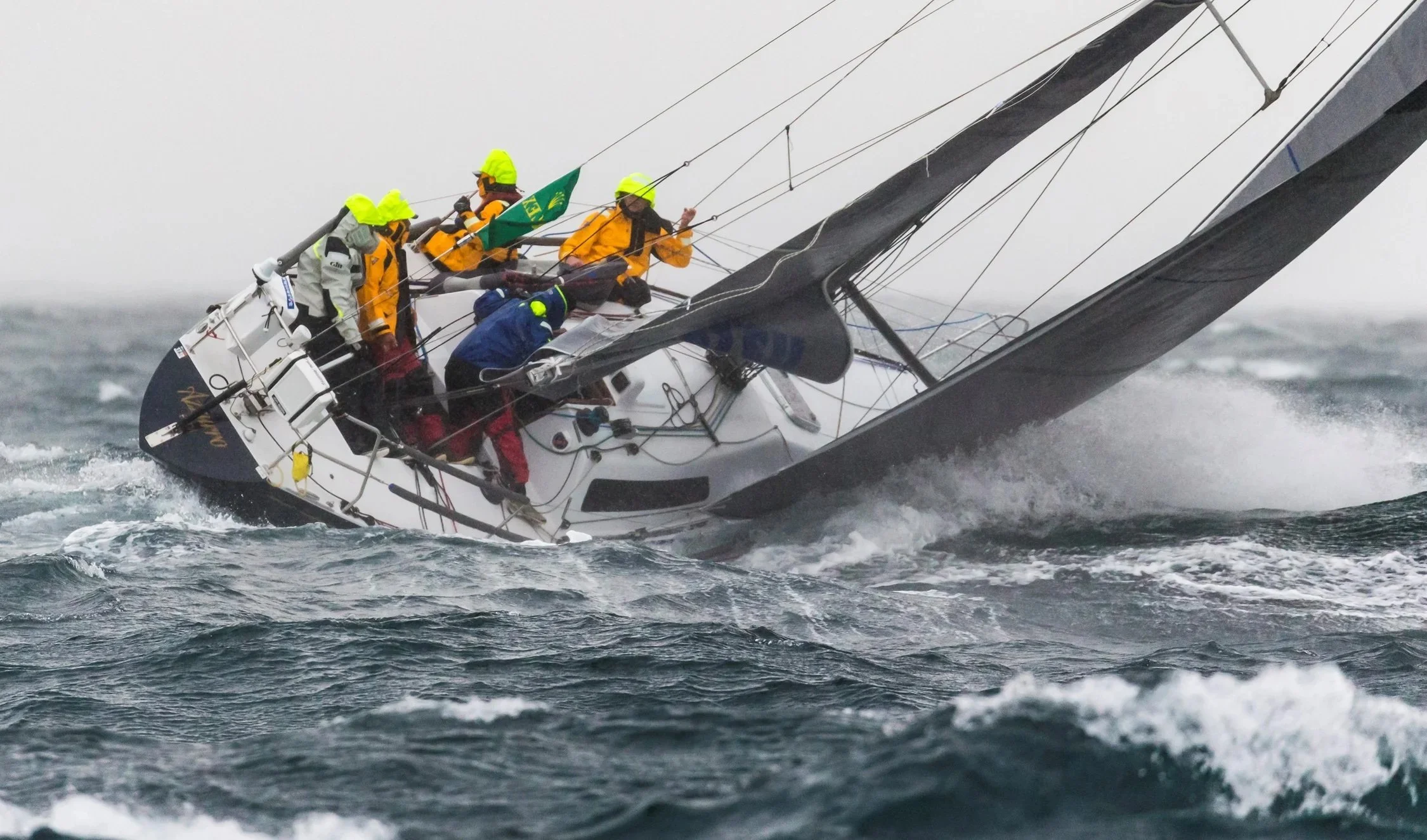
Sydney- Hobart 2017 AZZURO crossing-Storm-Bay Image Carlo-Borlenghi
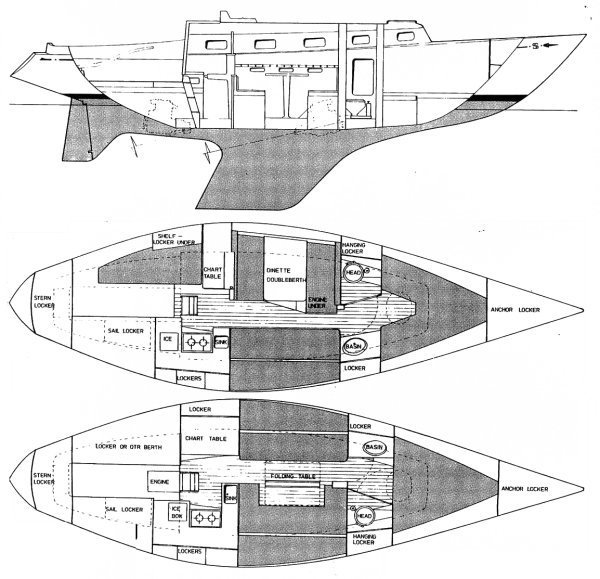
The S&S 34 was based on a design by Olin Stephens from Sparkman and Stephens after a commission from British yachtsman Michael Winfield. The design features a skeg-hung rudder and a Bermuda rig with a large, overlapping headsail.
The prototype was a 36' wooden one-tonner which Winfield named MORNINGTOWN. (corrected 25/7/25 see comment below) From this, Sparkman and Stephens were asked to develop a production design which became the S&S 34. The design was established as a new class in 1968 and quickly achieved great racing success.
Two sets of moulds were built, with Winfield building several boats before the first set were sold to UK boatbuilder Acquafibre. The second set went to Australia and changed hands several times before finally coming to Perth boatbuilder, Swarbrick and Swarbrick.
About 200 boats have been built, about fifty in the United Kingdom and the remainder in Australia, and mainly by Swarbricks who continue to build S&S 34 boats to order from the original moulds. Since 2004 a new generation of boats have been built using advanced construction materials and techniques. These newer boats use foam-sandwich construction, vinylester resins and multiaxial glass. They are 25% lighter, as well as being much stronger and stiffer.
The first production S&S 34 built was called MORNING CLOUD, owned by Sir Edward Heath. Heath had seen the boat at the 1969 London Boat Show and sailed it to win the 1969 Sydney to Hobart Yacht Race as well as a class win in the Fastnet Race. S&S 34 designs were overall or prize winners in every Sydney-Hobart race from 1969 to 1974, they were placed 1st and 2nd in the 1979 Parmelia Race, and won the 1996 Lord Howe Island Race. Other notable racing successes were DEERSTALKER which won the 1989 North Sea Race, another Fastnet class win in 1991, and a win in the 1992 Round Britain and Ireland Race.
In more recent times AZZURO has had exceptional results in the Sydney Hobart
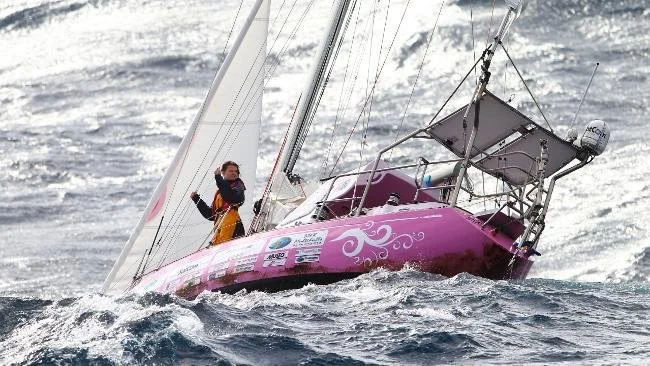
On top of its racing pedigree the S&S 34 is a proven cruising yacht and is well suited for short-handed sailing, In 1982 Jon Sanders in PERIE BANOU became the first single-handed boat to continuously sail twice around the world . David Dicks in SEAFLIGHT (1996–97) and Jesse Martin in LIONHEART (1998-1999) also made remarkable circumnavigations. Sixteen-year-old Australian Jessica Watson completed a round the world trip in the S&S 34 ELLA’s PINK LADY on May 15, 2010.
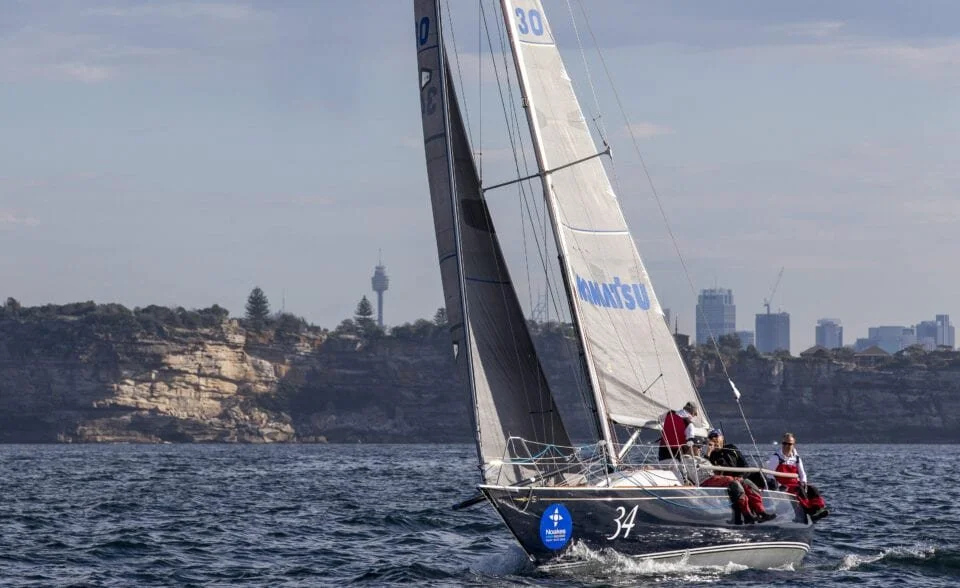

COLE 43

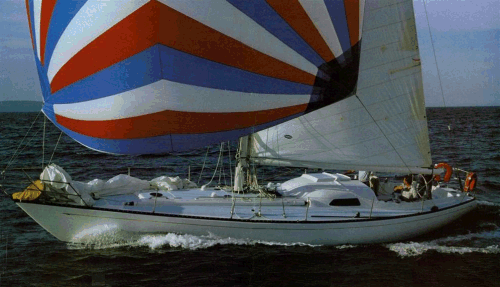
There seems to be a difference of opinion as to whether this yacht was designed by Peter Cole, the respected Australian naval architect, or Doug Peterson the American. (Perhaps readers can clarify?)
Initially built in GRP in Australia, often by East Coast Yachts and other boatyards under license, many had custom elements or modifications.
Designed with performance cruising in mind and the hull was based on IOR racer-cruisers of the time and as is typical of this shaped hull, it is known for good upwind performance and seaworthiness in heavy weather.
The exact number of Cole 43 yachts built is not definitively documented, but estimates suggest that somewhere between 20 to 30 hulls were produced. Despite this relatively small number, the Cole 43 developed a loyal following because of its strong offshore capabilities and Doug Peterson’s respected design pedigree.

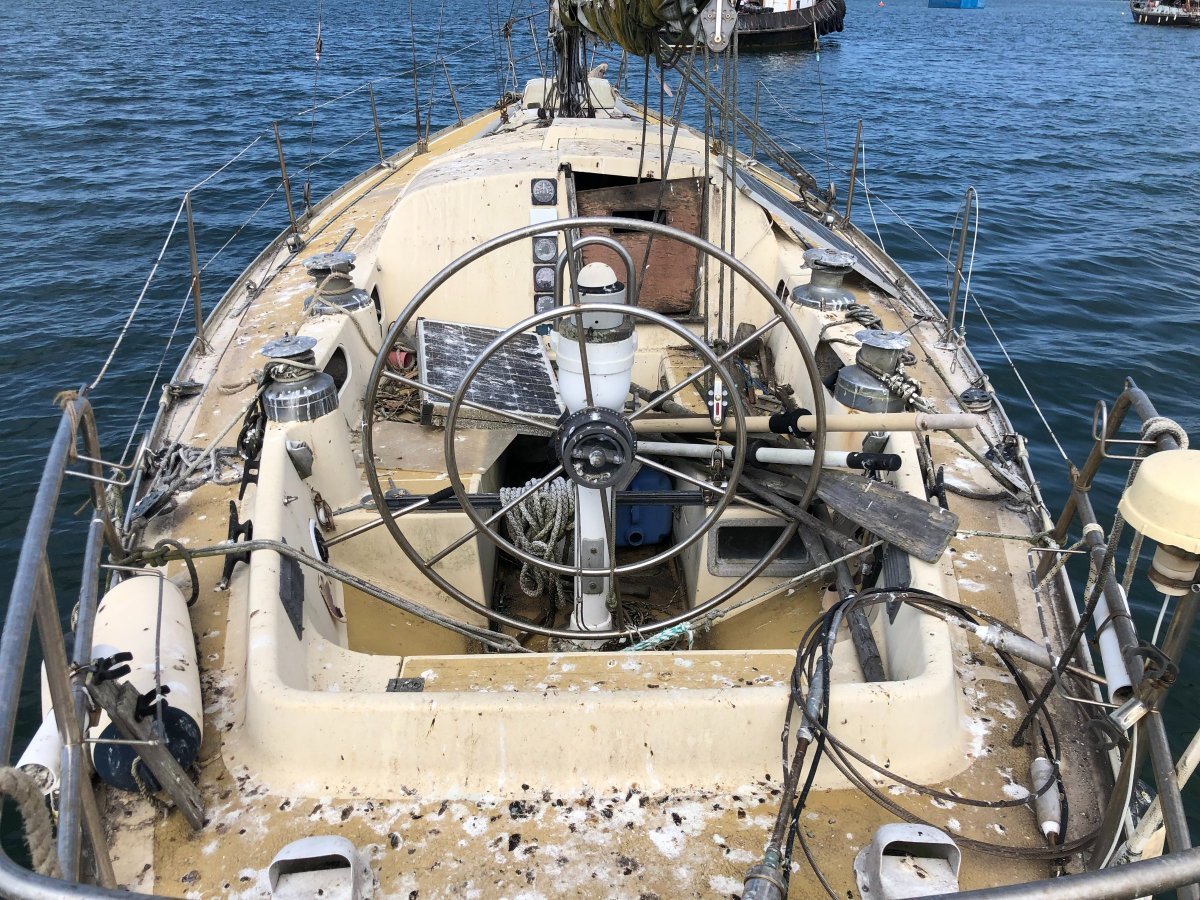
CURRAWONG 30/31
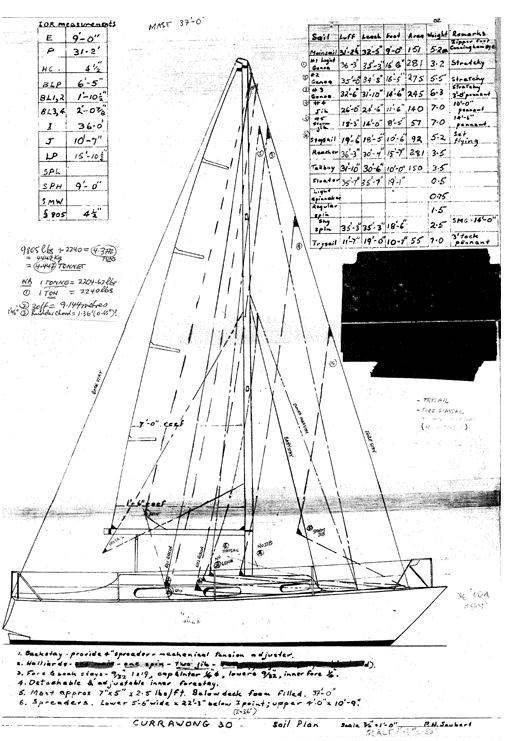
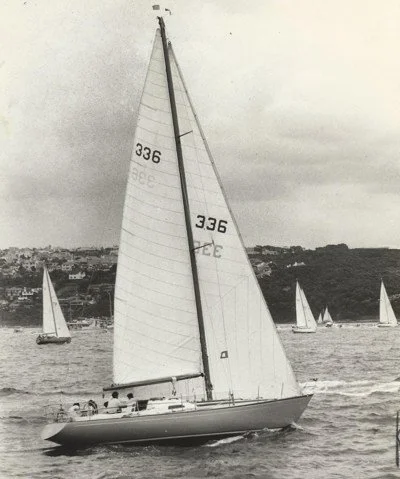
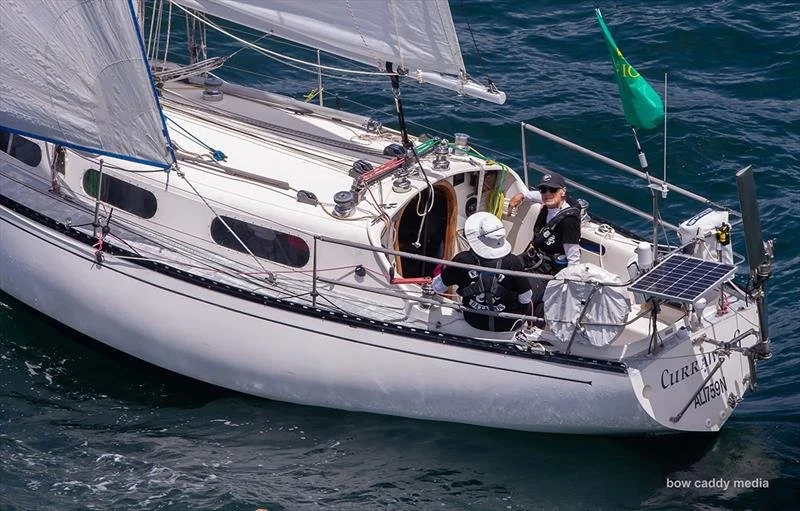
It’s also hard to tell how many Currawongs were built, but best guess would be around 30.
Peter Joubert the designer was best known for creating seaworthy, robust offshore cruising and racing yachts. Born in 1920, he was a renowned mechanical engineer from the University of Melbourne, (where he taught for over 30 years) a fluid mechanics professor and a safety advocate (credited with the development of the seat belt)
He designed more than 60 yachts, including well-known models like the Currawong 30, Clansman 30, and the Brolga. His design philosophy produced boats, mostly with full keels and conservative, heavy-displacement hulls, known for strength, seaworthiness, and performance in tough ocean conditions, especially in events like the Sydney Hobart.
A skilled sailor himself, Joubert married practical sailing experience and theoretical knowledge—often backed by rigorous testing and engineering. He died in 2015, leaving a legacy of durable, purpose-built yachts that remain respected in Australia and beyond.
The Currawong 31 is the embodiment of Joubert’s philosophy: engineering excellence, safety-first design, and competitive spirit—all wrapped in a beautiful, seaworthy hull. If you're considering buying one, you're engaging with a piece of Australian yachting heritage!
H28
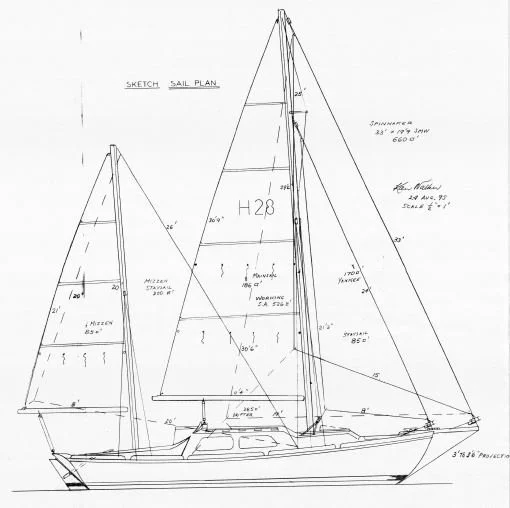
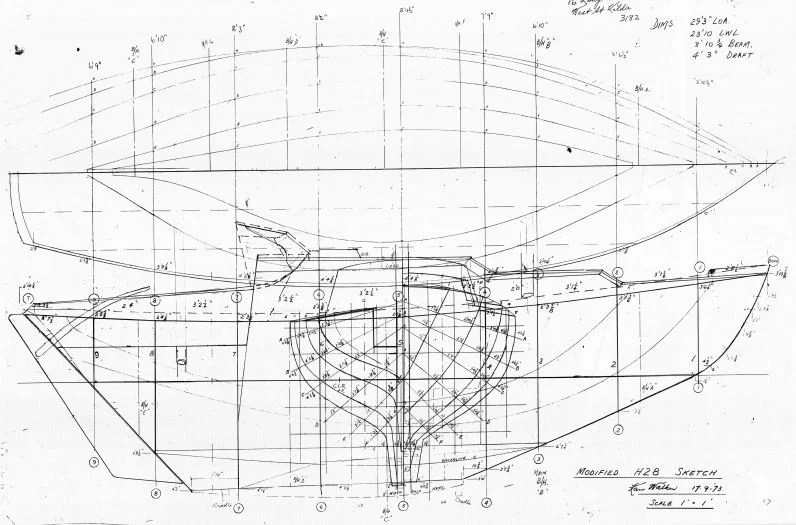
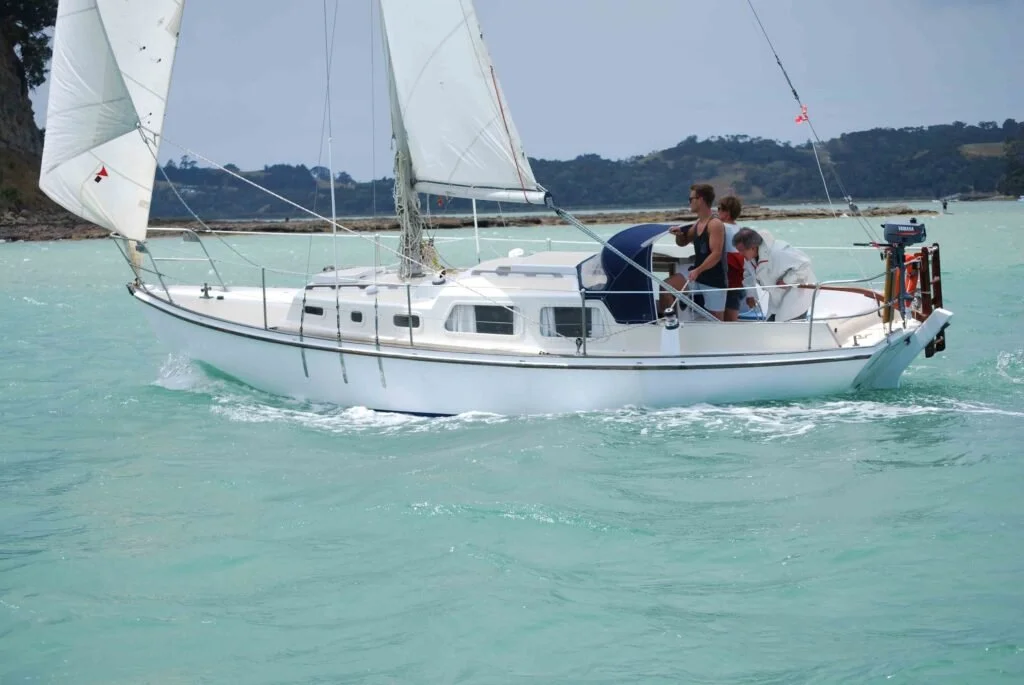
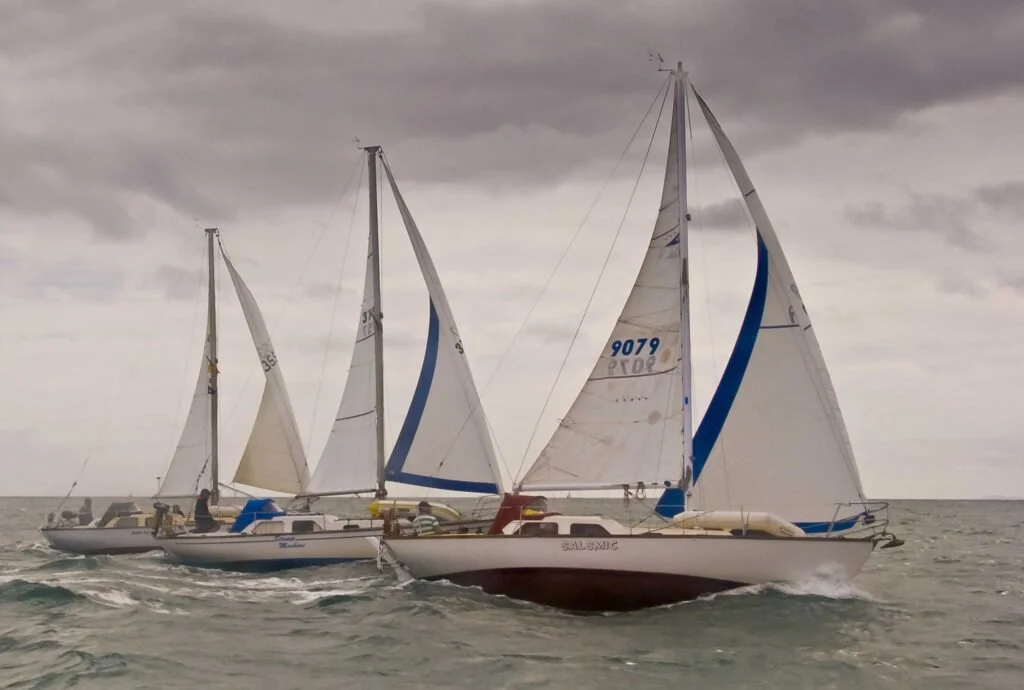
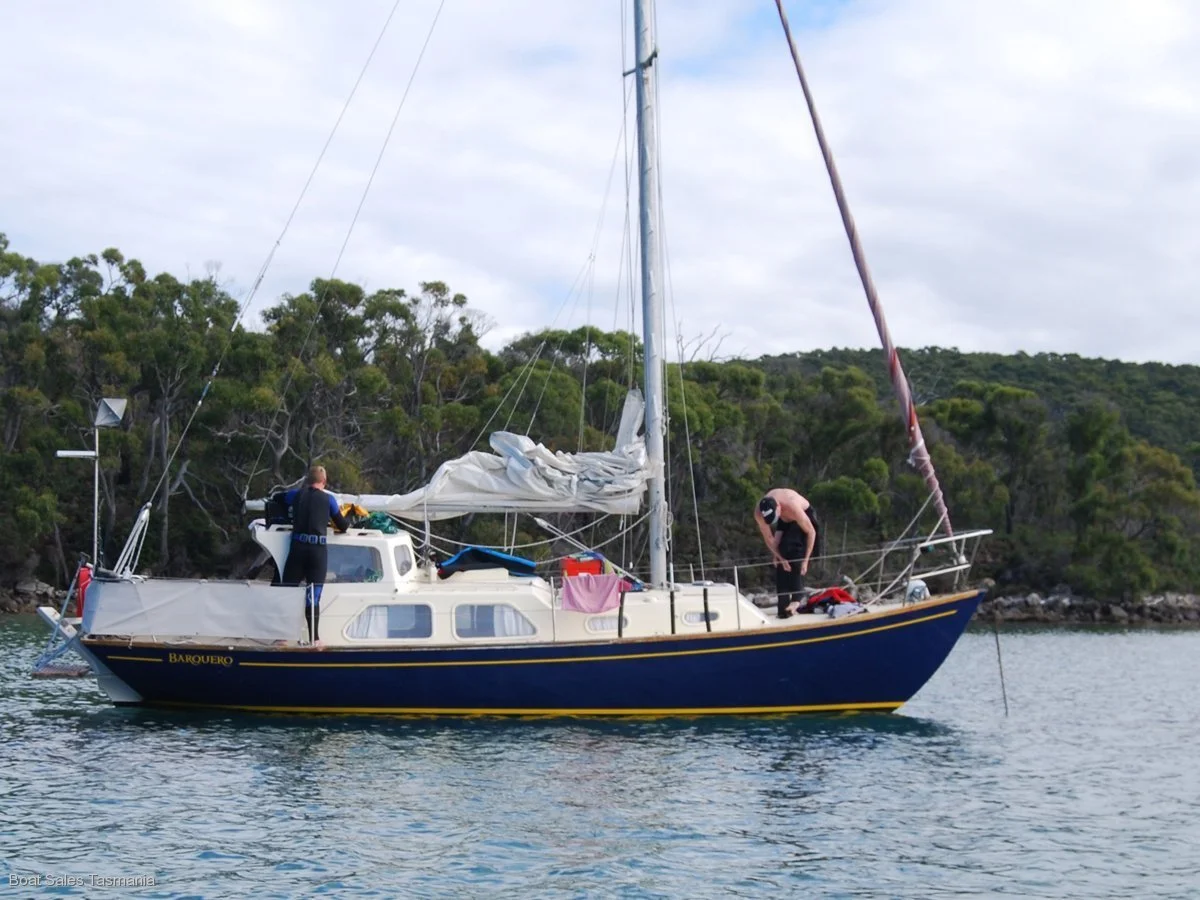
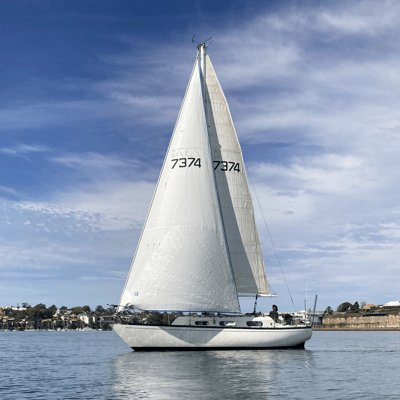
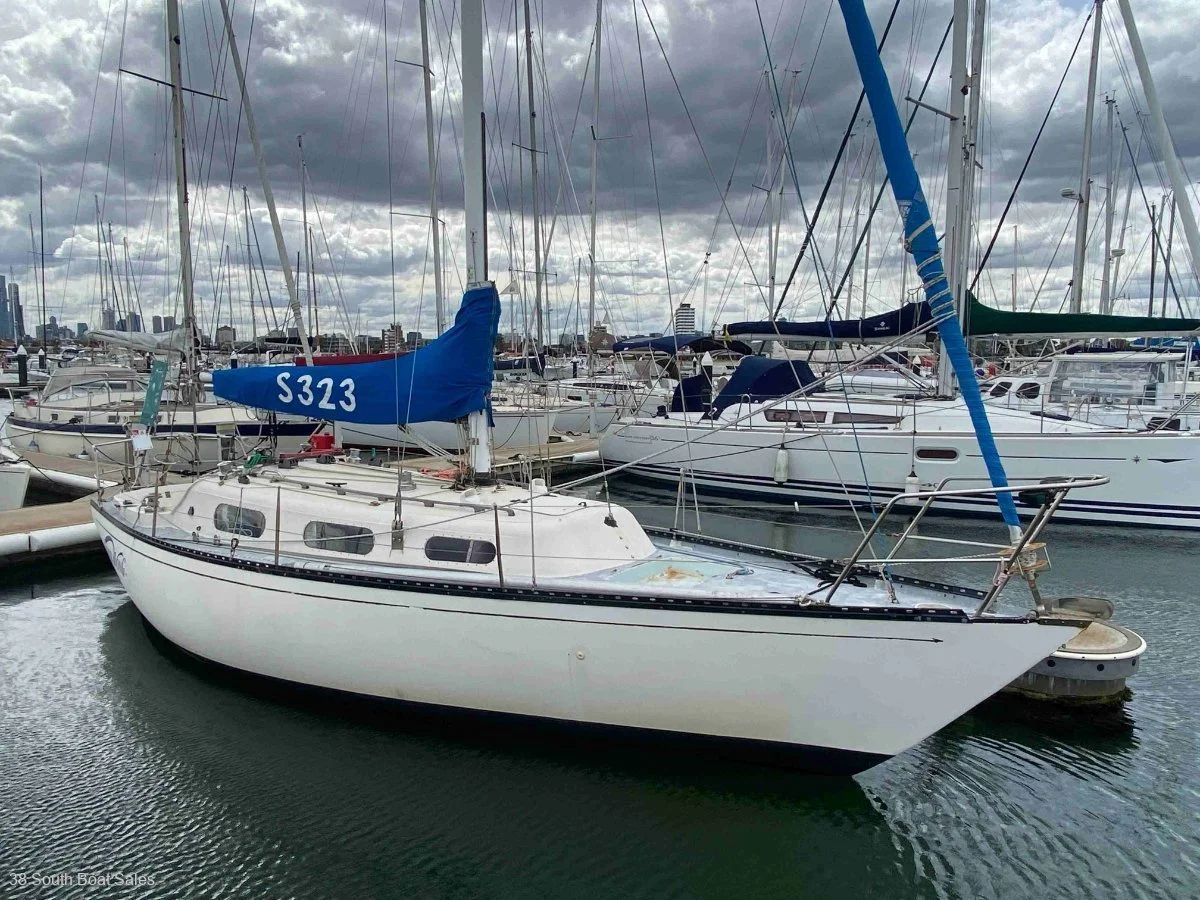
We all know of the legendary H28, originally designed by L. Francis Herreshoff around 1942. There are some stunning timber examples around Port Phillip. But in the In the 1980s, Walker Boat Co Ltd in Geelong, began building GRP versions of the H28—robustly constructed with heavier hull layups and enhanced cockpit drainage to suit offshore work. For too long these have been excluded from Classic Yacht Racing!
Kahn Walker built these boats of solid fibreglass with an encapsulated lead ballast. The long keel and stable trim make them a true bluewater cruiser with a classic aesthetic with well-proportioned cockpit and cabin. They were available as ketches, sloops, or cutters and althogh not the quickest boats around, they would get you there in the end!
With strong associations in NZ, Vic, and WA, these legendary boats have in the past been an obvious omission from the Cup Regatta Party!