This week on the WWW
Sharing a few links from around the world that, while not all strictly wooden boat related, resonate with the SWS team.
From the Boston College Law School Magazine we loved both the words and the photographs in this David and Goliath story.
The former site of Iron Gate Dam, a section of the Klamath River. Photographs by Jordan Gale
The Tribal Victory of the Century - By Jacques Leslie - With discretion and respect for Native Americans, a BC Law alum helps restore a river, its salmon, and its people to their rightful places.
The saga of the Klamath River basin, site of the world’s largest dam removal, completed last October, is a story of withering setbacks, skin-of-the-teeth recoveries, still more setbacks, and finally, against all the odds, an unalloyed victory, the culmination of a two-decade-long campaign led by three of the basin’s four major tribes.
The basin is shaped like a wobbly Dali-esque hourglass draped across the Oregon-California border. The Klamath River was once the nation’s third most-prolific salmon fishery, before environmental insults committed by Americans and Europeans including beaver trapping, mining, logging, and lake-and-wetlands-draining to create farmland turned the waterway into a sad, denatured hydraulic machine.
The four now-dismantled hydroelectric dams, built between 1918 and 1962, were the crowning blows, walls that definitively blocked salmon from upstream spawning grounds. The dams rejiggered the river’s flows to respond to changes in electricity demand, not natural rhythms, and changed water temperatures and chemistry in ways that weren’t hospitable to river and riverine animals and plants, starting with fish. For most of this century, the basin has been considered the nation’s most embittered watershed, yet it miraculously managed to carry out a dam removal project that ranked the highest in the world in the number of destroyed dams (four), their cumulative height (400 feet), and the miles of regained river habitat (420) in which salmon may once again spawn, die, and leave behind fertilized eggs that become the next generation of salmon.
This week in the Maritime Executive- Researchers Identify Wreck of Revolutionary War-Era British Frigate
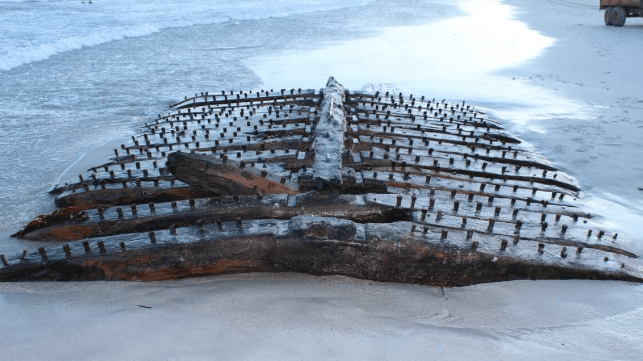
Courtesy Wessex Archaeology
The wooden sailing vessel uncovered on the shores of the Orkney Islands last year has been identified as a Royal Navy frigate that played a small role in the American Revolutionary War.
The wreck was discovered on a sandy beach at the northeast end of Sanday, one of the northernmost islands in the Orkneys. Shifting wind and wave patterns removed the sand that had covered the remains of the ship for centuries. Local residents helped drag the surviving timbers off the sand with tractors, and professional archaeologists went about the task of preserving and examining the recovered wreckage.
Hundreds of wrecks have gone down around the storm-wracked Orkneys, and it took time to narrow down just which ship this one might be. Wessex Archaeology was given the task of the analysis. Based on the tree rings in the wood, the team determined that the ship was built in the mid-1700s. By process of elimination, the team narrowed it down to the HMS Hind, a sixth-rate Royal Navy frigate built in 1749.
Hind departed England for North America in 1758 during the Seven Years' War, and participated in the siege of French forces at Louisburg, Nova Scotia that summer. She continued throughout the campaign to remove French influence in the region, including the successful capture of Quebec the following year. During the Revolutionary War, she served as a convoy escort for British ships, the researchers found. After returning to the British Isles, she was converted to a transport ship, then sold into private hands in 1784.
Renamed Earl of Chatham, the former frigate became a whaler in the North Atlantic trade, one of more than 100 whaling ships based out of London - a primary hub for the whale oil and whalebone trade in the late 1700s. The former frigate only lasted a year as a whaler: it wrecked in foul weather off of Sanday in 1785. Luckily, all crewmembers survived the ordeal.
For now, the wooden wreckage has been placed in freshwater tanks at the Sanday Heritage Centre while the project sponsors consider a permanent solution, according to ABC. The National Heritage Memorial Fund (NHMF) and Historic Environment Scotland provided funding for the project.
Closer to home, Our friends at the Melbourne Maritime Heritage Network alert us to a potential serious loss of amenity on Melbourne’s already limited waterways.

Artist’s impression
The Docklands Community will be familiar with the catastrophic Port of Melbourne (PoM) plan to create an at-grade rail freight crossing adjacent to the Bolte Bridge. In the latest Draft Port of Melbourne Strategy Plan (10 April 2025), this plan once again looms, threatening to stifle recreational and commercial boating activity, both on Victoria Harbour and the Birrarung/Yarra upstream from the Bolte Bridge. The Draft PoM Strategy Plan proposes that the rail line be included in the new City of Melbourne Municipal Planning Strategy (MPS). Release of the MPS has been delayed until November 2026.
However, MMHN applauds the City of Melbourne Council’s pre-emptive rejection of this proposal, demonstrating its support for community amenities and the boating industry. CoM management requested that the Minister for Planning, Sonya Kilkenny, appoint an Independent Planning Panel to which all such contentious submissions can be referred for consideration, including this controversial freight link. The CoM Council decided that it would be ‘premature’ at this stage to include this matter in the Municipal Planning Strategy. MMHN is pleased to note this indication that the CoM appears to understand the damage that this rail line will cause to community amenities and the likely adverse impact it will have on the water ways economy. It should rightly consider – and indeed prioritise – local amenities over a proposal designed to serve the operational needs of a corporate entity. Indeed, there are other design options for a non-obstructive rail bridge. Both the PoM and the State Government must consider these issues.
The Port Townsend Wooden Boat Festival has come up with an pre festival itinerary for those visiting the 20205 event. It sounds exceptional!
Five Days in Washington For Wooden Boat Fanatics -The Wooden Boat Festival is a great way to spend a long weekend, but if you want to make for a truly “transom-dental” Washington Wooden Boat experience, follow our itinerary to expand your weekend experience into a whole week.
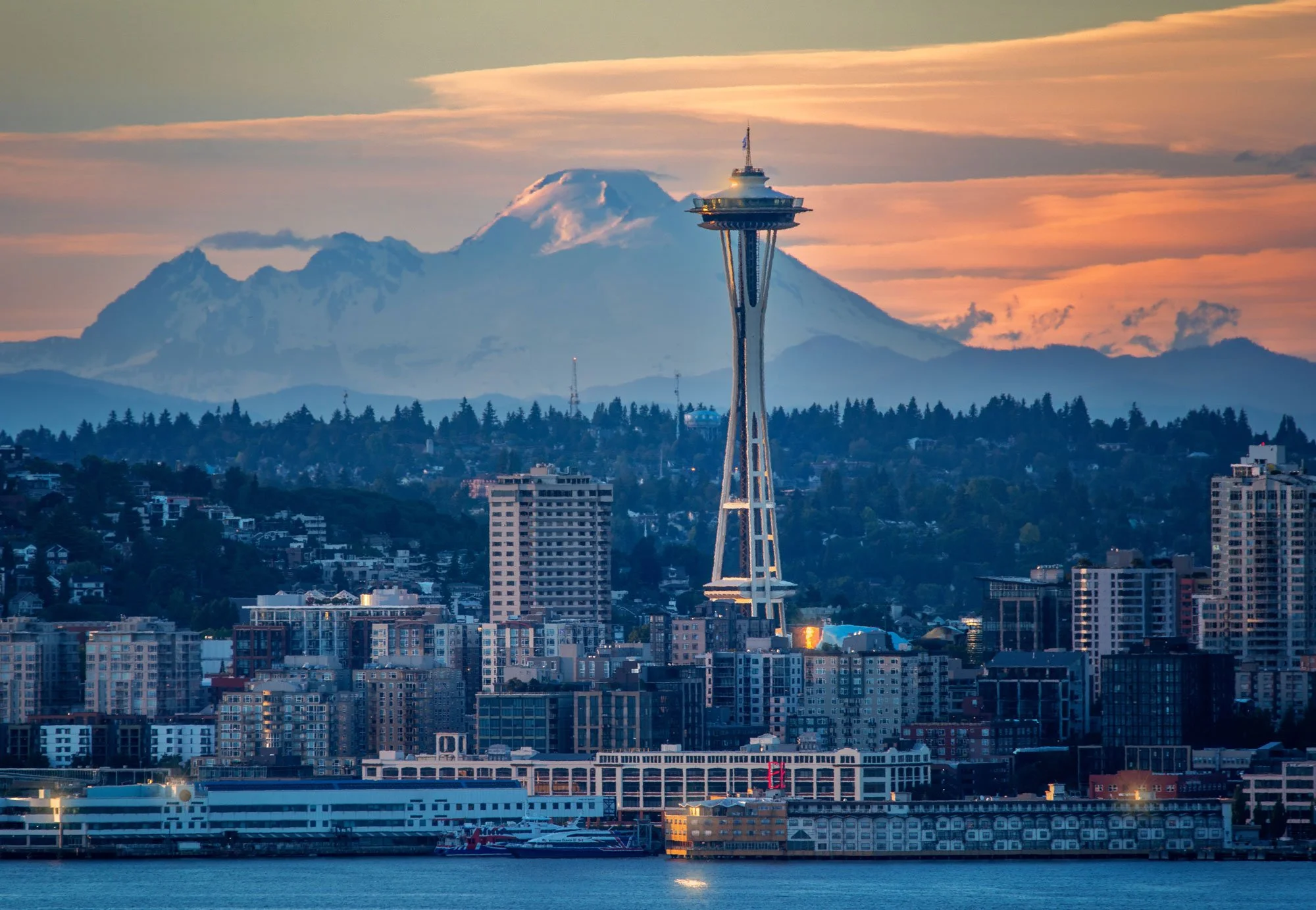
Day One: Seattle.-Start your journey at Seattle’s Lake Union. Nestled between the edge of downtown and amid Seattle’s bustling tech scene, this oasis of green space is one of the best places to dip your toe into Washington’s rich maritime heritage. You can explore world-class museums, rent a wooden boat, or see a historic ships. Farther north, the Burke Museum at the University of Washington offers a window into the tradition of indigenous wooden boatbuilding that has been present in the area since time immemorial.
Climb Aboard at the Center for Wooden Boats
September 3—October 26: Wednesday—Sunday 10:00 am—6:00 pm. Last boat out at 4:30 pm. |1010 Valley St, Seattle, WA 98109
Located in the heart of Seattle, the Center for Wooden Boats offers a unique bridge between the bustling cityscape and the tranquil waters of Lake Union. This incredible center invites visitors of all ages to immerse themselves in the art and craftsmanship of wooden boat building and sailing. Whether you’re a seasoned sailor or a complete beginner, the Center’s programs are the perfect way to kick off your week of wooden boat exploration. Check out their public peapod program, which gets you on the water with an experienced skipper for free, build a toy boat in their woodshop, or attend the long-running Third Friday Speaker Series.
Visit the Historic Steamship Virginia V
Check the calendar for chances to get onboard | Union Park, Lake, Seattle, WA 98109
The S.S. Virginia V is one of the last surviving vessels from the region’s original “Mosquito Fleet”—a network of hundreds of boats that transported people and goods across Puget Sound in the late 19th and early 20th centuries. This beautiful wooden steam-powered ship has been meticulously preserved, maintaining its original steam engine and classic charm.
The Virginia V is one of the two last surviving members of the “mosquito fleet.”
You can find the Virginia V cruising the waters of Lake Union, Lake Washington, and Puget Sound, offering both public cruises and private rentals for those eager to experience a piece of maritime history. When docked at the Historic Ships Wharf, the Virginia V opens its doors for dockside tours, allowing visitors to explore this iconic ship up close.
Pro tip: The Historic Ships Wharf is also home to the tugboat Arthur Foss, Lightship No. 83 Swiftsure, and fireboat Duwamish, all of which are well worth a visit. Check them out dockside or visit their websites to find opportunities to get aboard.
See a Coast Salish s.dəxʷìł (hunting canoe) at the Burke Museum
Open Tuesday—Sunday, 10:00 am—5:00 pm. | 4303 Memorial Way Northeast, Seattle, WA 98195
Restored in collaboration with the Muckleshoot Indian Tribe, the University of Washington’s Burke Museum recently put a rare Coast Salish hunting canoe on public display for the first time. Once used for hunting, fishing, and travel through rivers and estuaries, this wooden canoe offers a glimpse into the region’s rich indigenous history of wooden boatbuilding. Thanks in part to a grant from Maritime Washington, the original canoe is on display, allowing visitors to experience the craftsmanship and heritage of the Coast Salish people firsthand.