
The News, Culture and Practice of Sailing woodenboats
in Australia, New Zealand & The South Pacific.
Under Constable Skies
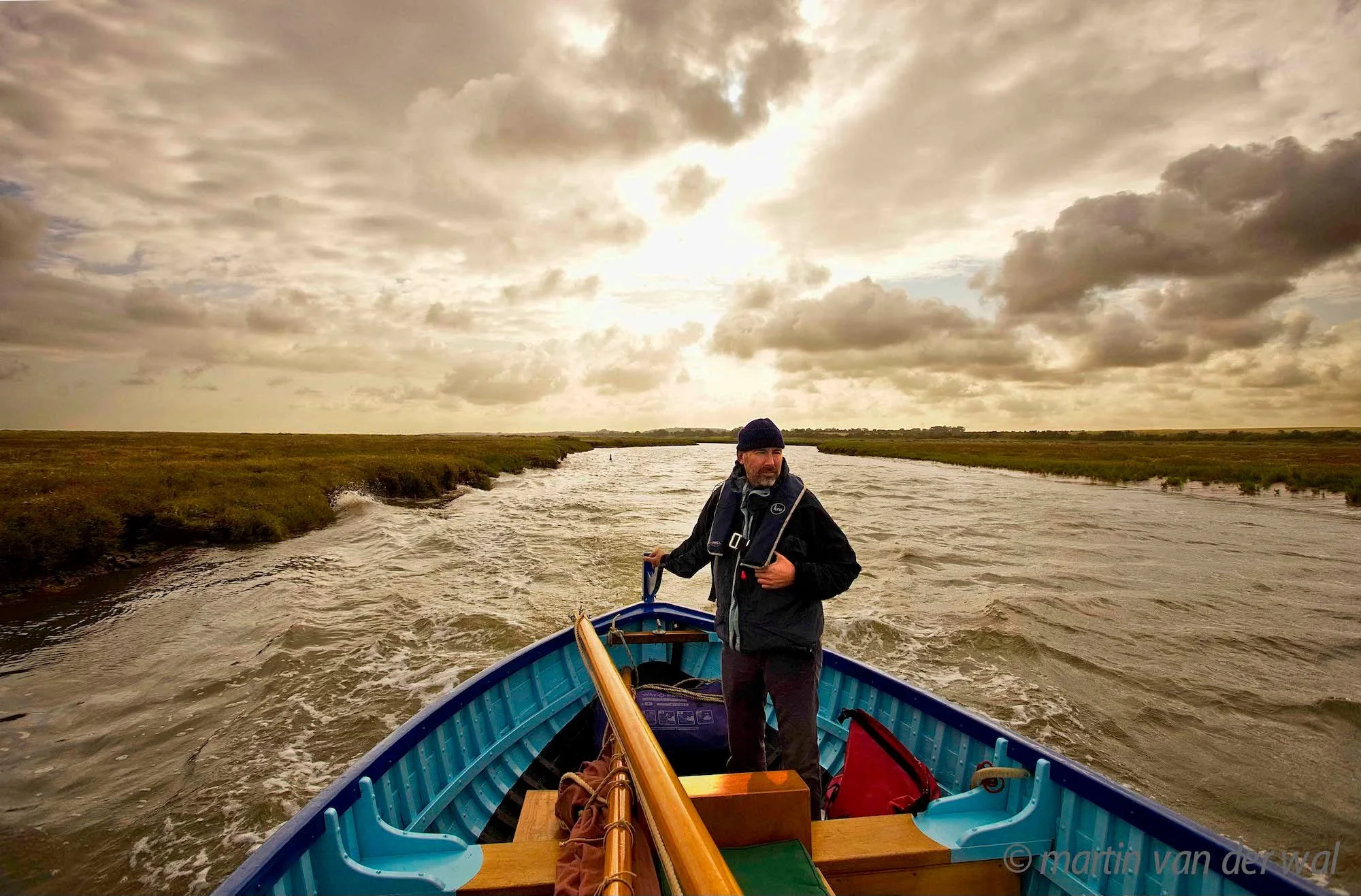
A wide-screen sky refreshed itself with menacing patterns as a distant gloaming approached. An oblique, low hanging, long dark finger spearing in from the South east. We came to the bridge. Duck! Our skipper commanded, we ducked, sweeping under with over a foot to spare. Yes, this was an adventure! No! We were not attempting a moonshot. This was adventure in a pastoral landscape, nothing more serious than a bruised roll cloud gathering speed across the horizon behind, heavy rain poured out of it.
Riding the wave: can surf tourism save Peru’s ancient reed-boat fishing culture?
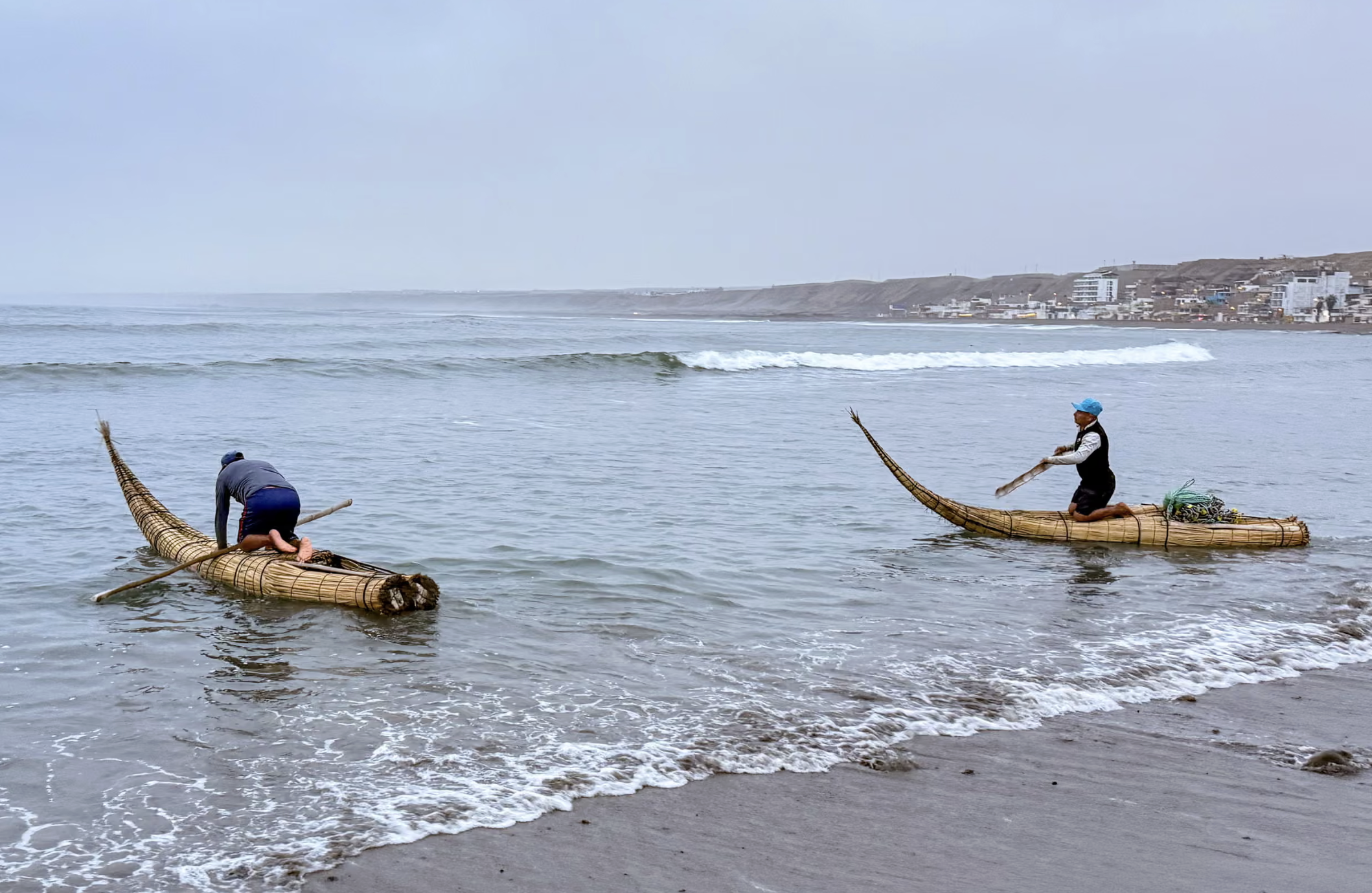
Nowadays, surfing is throwing a lifeline to this struggling community. Attracted by the Pacific swell and world-class breaks, surfers flock to Huanchaco, and many become enamoured of the caballitos, one of the ancient precursors of the sport. Many of the younger generation in fishing families become talented surfers and some have opened their own surf schools. The Australian embassy in Peru has taken caballito fishers to the Gold Coast and has backed Huanchaco’s surf tourism as an economic alternative.
L’Albufeira Rice Boats
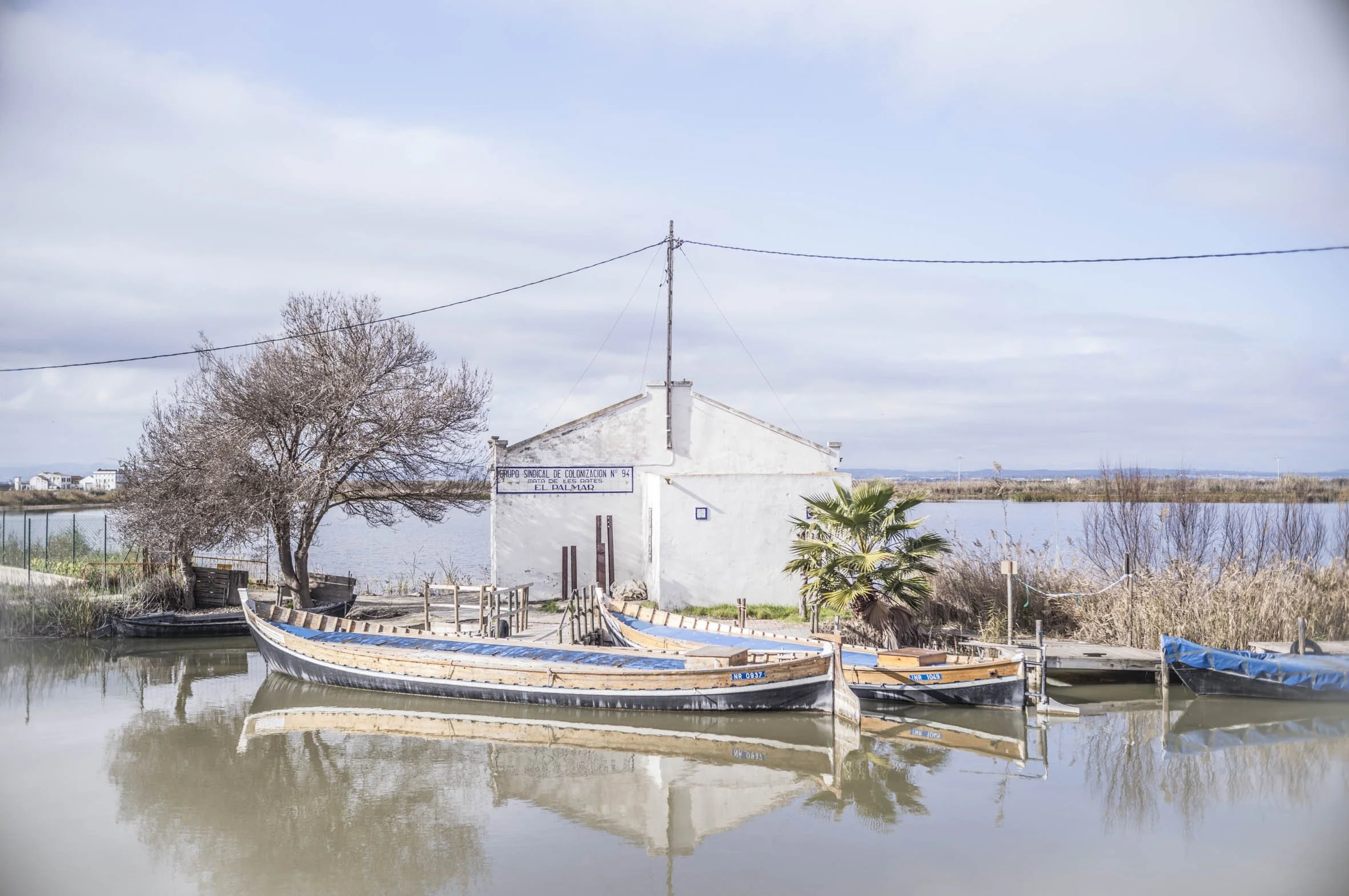
One weekend, as we were looking for an adventure, it occurred to me that an activity on water, that’s been going on for over 500 years, probably involved wooden boats. So we rugged up and climbed aboard our bicycles and cycled south.
As with all wooden working boats the "albuferenc" boats (or "barcas" as they are know locally), have been designed by their function and environment, rather than individual people. They are flat-bottomed allowing them to work in for the shallow waters of the lagoon and the canals running between rice fields and they're quite different from the heavier fishing boats once used used along the Mediterranean coast and on the beaches just a few miles to the east of the lagoon.
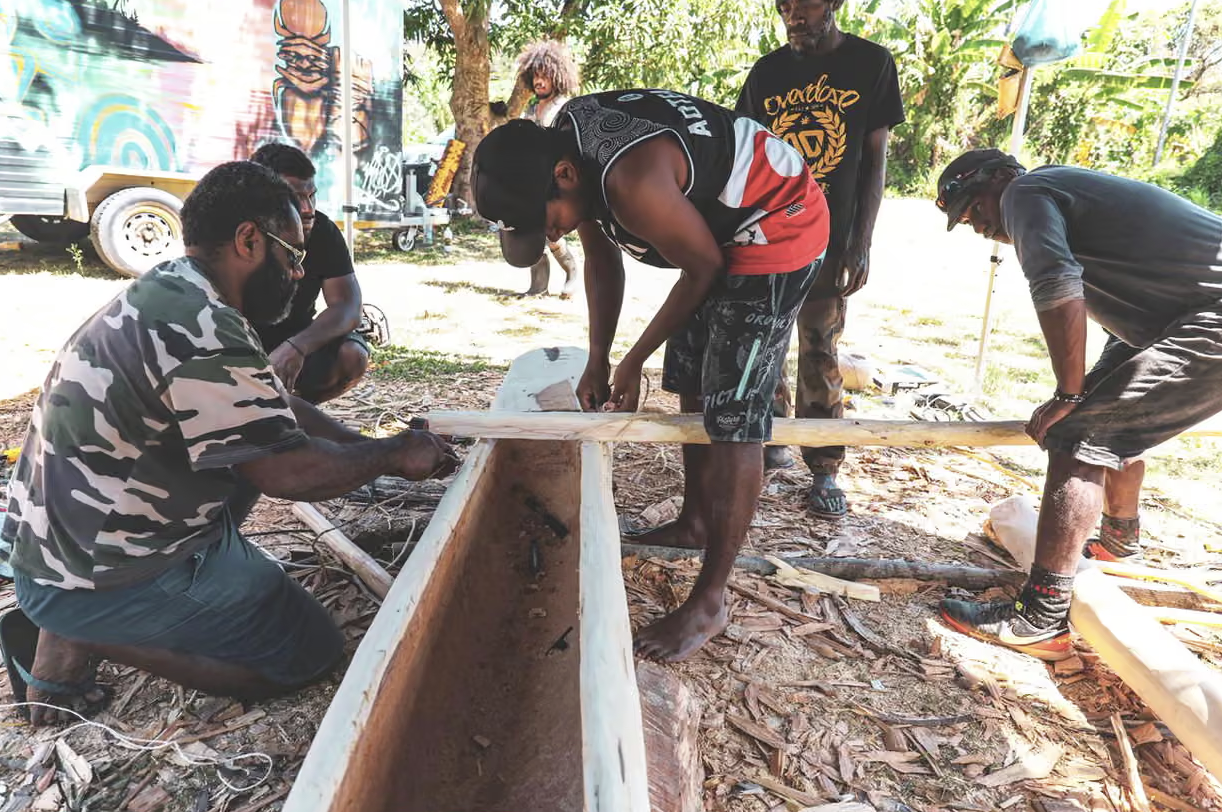
The sailor reviving the lost art of canoe building in New Caledonia
Dozens of canoes have been built in an initiative designed to reconnect Indigenous Kanak people with their maritime heritage. Tikoure says the boats also help the “start of conversation” around ocean rights and environmental policies.
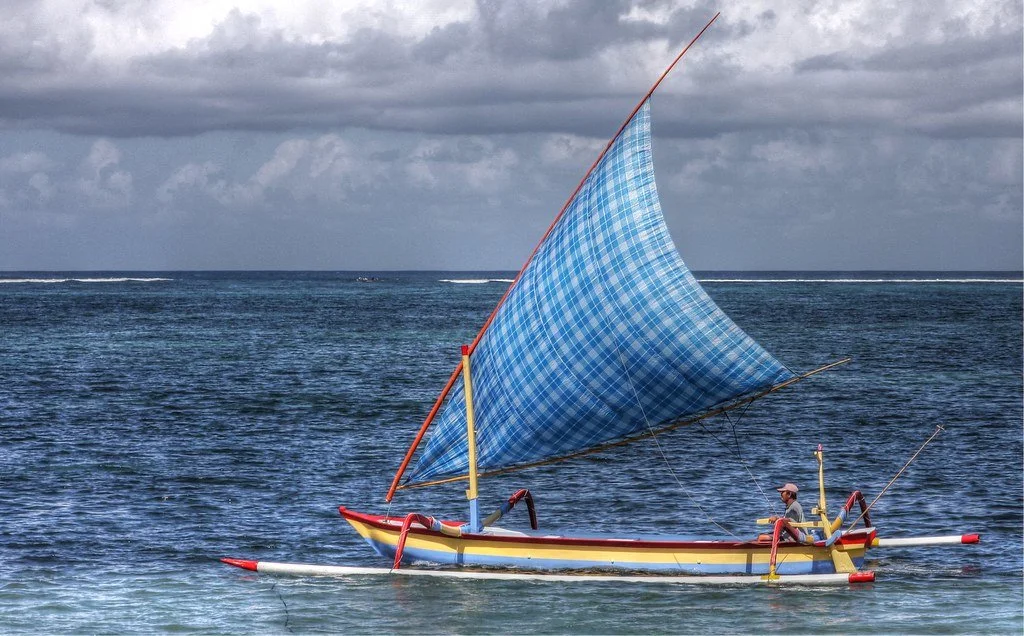
JUKUNG
In Bali, the jukung developed as a fishing vessel, its design being adapted to the island’s coastal waters. Lightweight and highly maneuverable (by compasison to other traditional vessels), it could handle surf launches and landings and was relatively stable in rolling seas. Traditionally, jukungs were carved from a single dugout log, usually jackfruit wood, with added planks and bamboo outriggers lashed on with natural fiber ropes
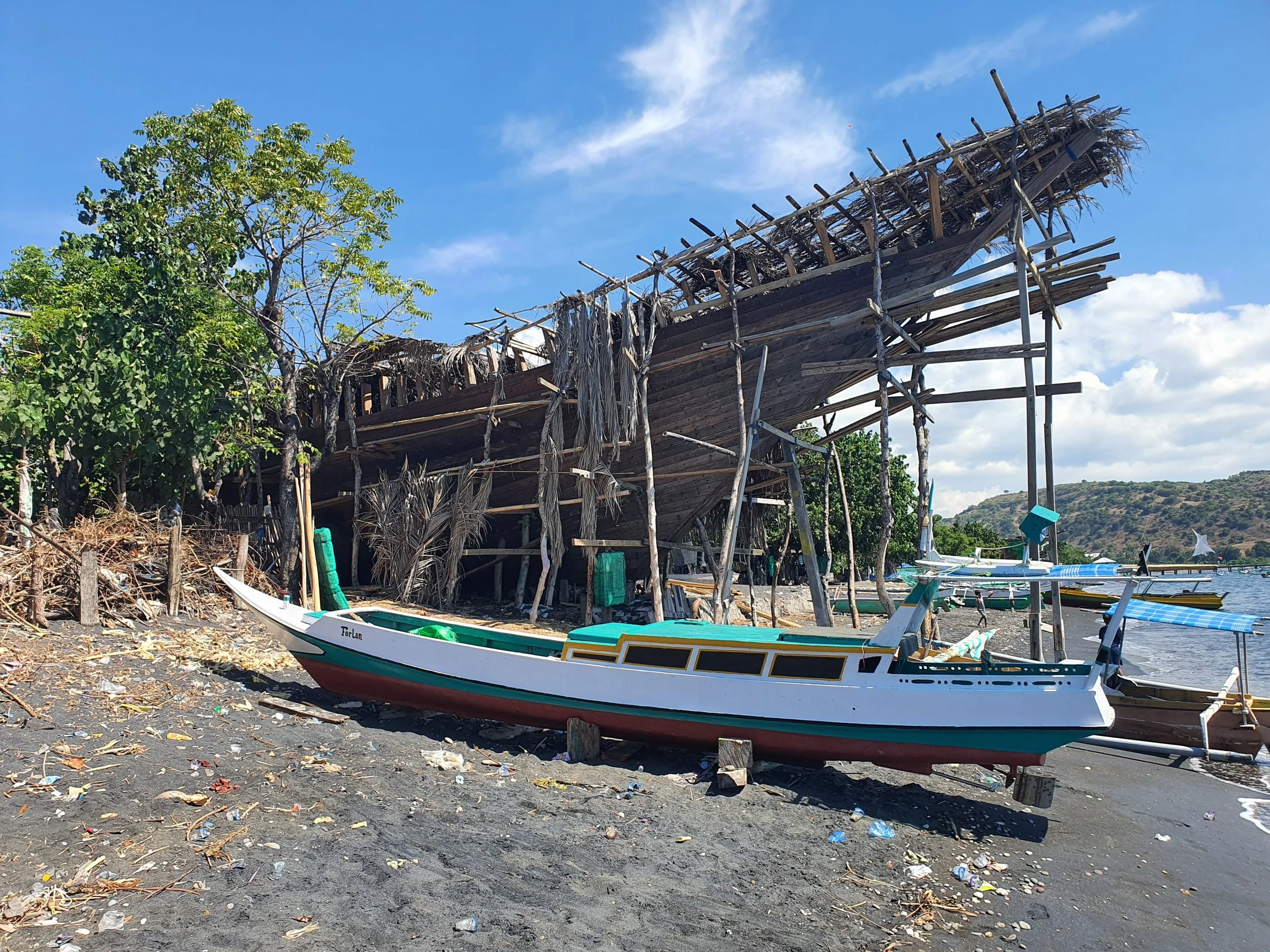
Wooden boatbuilding in Were village, Sumbawa, Indonesia.
Were is a boat building village. This year we again visited while sailing a non-wooden yacht through the Indonesian archipelago. This time with a camera, on the beach we found numerous smaller craft, dugouts, small fishing boats with outriggers, and larger planked boats…