Long-Distance Navigation Without Western Technology

Here at SWS we have always been fascinated by the stories and facts around pacific navigation. I grew up reading David Lewis’ books and in more recent years have been entranced by accounts such as Christina Thompson’s “Sea People: In Search of the Ancient Navigators of the Pacific”
Last month a great article by Rick Feinberg, a Professor of Anthropology at Kent State University, appeared in The Conversation. His voyage to Anuta Island in the Solomons in 1972, triggered decades of research into Pacific Voyaging. In the Conversation’s succinct and very readable article, Rick tells us a little of the history of research into Pacific Navigation, the basic techniques of celestial wayfinding and the alternative, more tangible, methods used to support the routes gleaned from the stars, or as a primary indicator when the heavenly bodies were not visible.
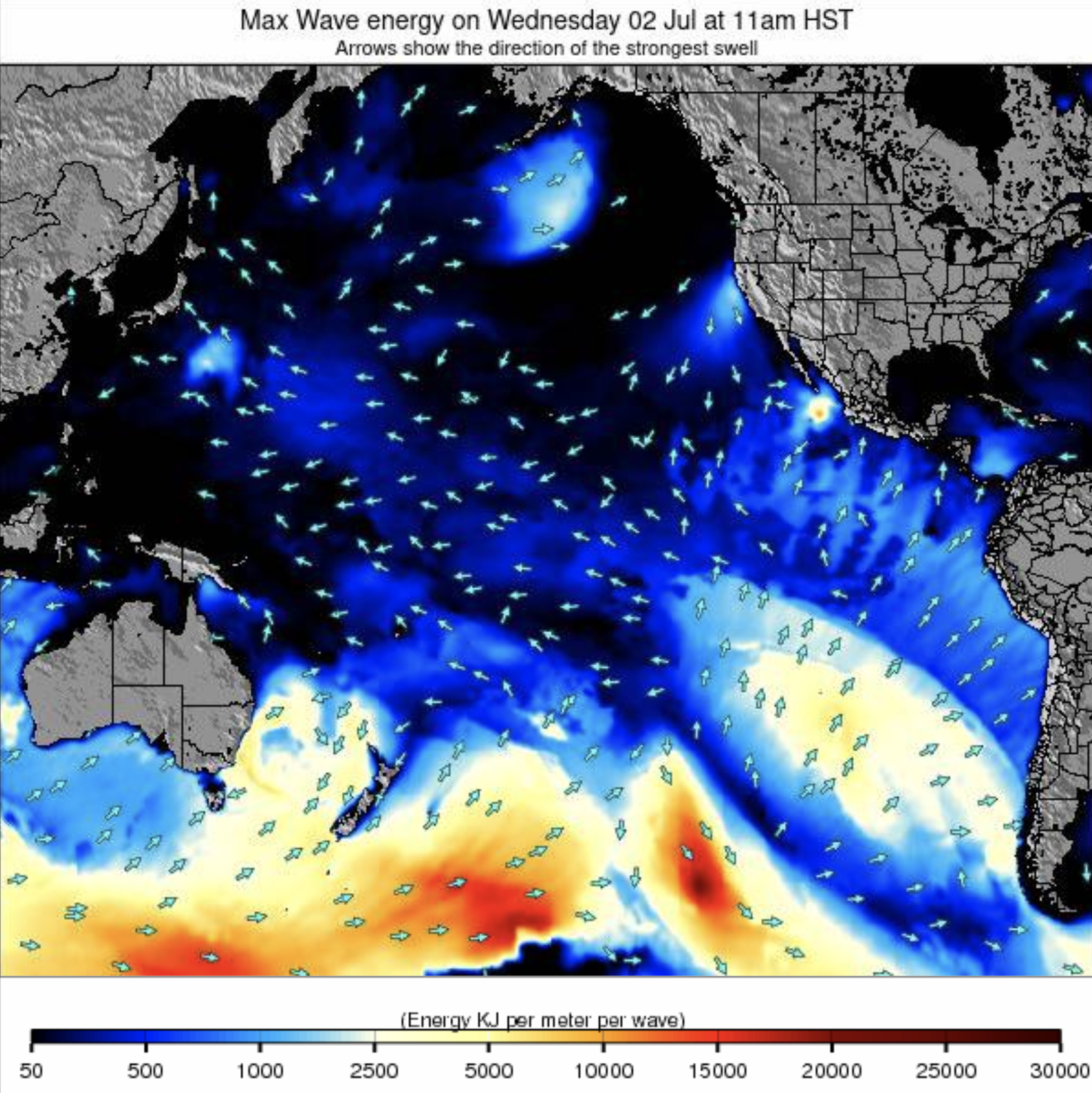
Pacific voyagers’ remarkable environmental knowledge allowed for long-distance navigation without Western technology
Wet and shivering, I rose from the outrigger of a Polynesian voyaging canoe. We’d been at sea all afternoon and most of the night. I’d hoped to get a little rest, but rain, wind and an absence of flat space made sleep impossible. My companions didn’t even try.
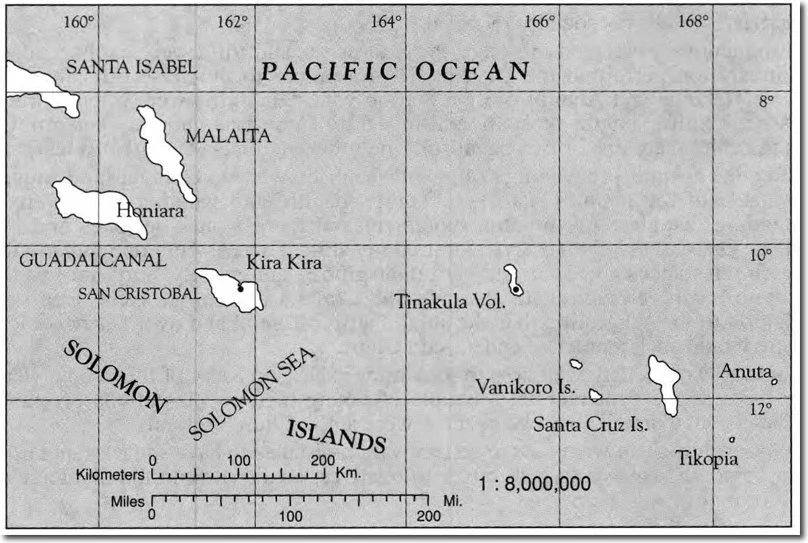
It was May 1972, and I was three months into doctoral research on one of the world’s most remote islands. Anuta is the easternmost populated outpost in the Solomon Islands. It is a half-mile in diameter, 75 miles (120 kilometers) from its nearest inhabited neighbor, and remains one of the few communities where inter-island travel in outrigger canoes is regularly practiced.
Some background Anuta Island
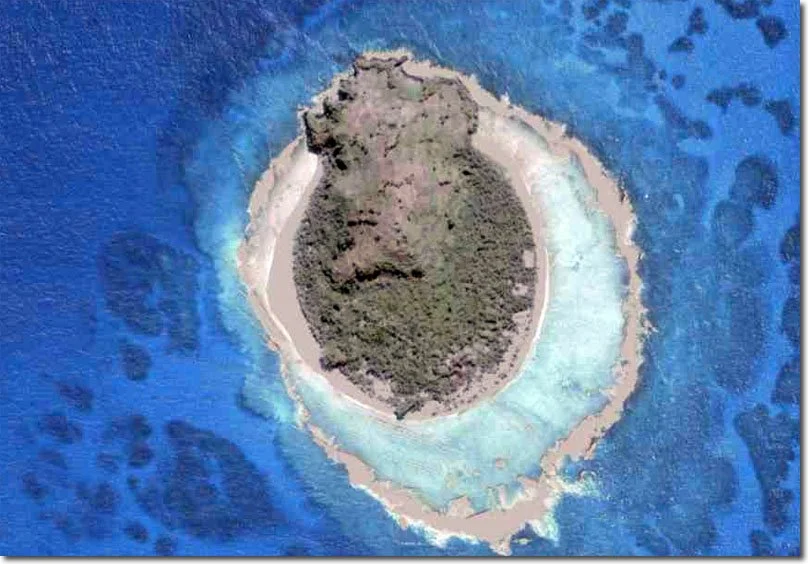
The first documented sighting of Anuta was in 1791. Over the centuries, Anuta has been visited by occasional ships. Currently, a cargo ship sets sail from Honiara, the capital city of the Solomon Islands, on a round trip of the outlying islands. This is the only guaranteed contact the island has with the outside world. The cargo ship is infrequent and cannot be depended on as its course and timings are severely affected by the weather patterns that blow across the South Pacific Ocean.
It was a cargo ship that first brought Christianity to Anuta in 1916. Anglican missionaries arrived on the island, and to this day the church still operates and plays a vital part in Anutan life with church services twice a day. The church is believed to be responsible for protecting the island and its population from harm (such as epidemics, droughts and other natural disasters). Despite the strong Christian beliefs on Anuta, life is still shaped by tradition. Although the Christian God has replaced the ancient chiefs’ roles in many ways, chiefs and their close relatives maintain a sense of responsibility for the island’s spiritual welfare.
The chiefs are highly regarded on the island. Taboos exist surrounding behaviour in their presence: the Anutans think of the head as sacred and the feet profane, and therefore, physical height in rituals is important. When inside the chief’s hut, people must crawl; standing up and being higher than the chief is very badly thought of. Anutans often greet each other with a traditional Polynesian nose kiss or pikita.
When greeting the chief it is normal to press one’s nose against the chief’s knee. The chief then lifts his hand under the person’s chin and lifts their face so that both parties are pressing noses. Although Christianity has taken the place of many of Anuta’s traditional beliefs, certain practices such as this are still strictly followed.
The resident population on Anuta is just under two hundred and fifty. Although Anuta is very isolated there is a steady flow of people and objects to and from the island. On Anuta young men in particular tend to come and go by cargo ships or visiting vessels. It is not uncommon for people who visit the island to become adopted into a family and end up staying.
On Anuta, everyone is recognised as being related to everyone else. Family members are related to other family members not only by genetics but also because of certain types of social behaviour. The realities of social life in a population as small as Anuta mean that it is impossible to stick to a simple model of family relationships. A relative who is classified on the basis of social rather than genetic ties is just as much a member of his or her family group. This is important on Anuta when a visitor to the island needs to be adopted into a family and made to feel that they belong.
Concern for others is the backbone of Anutan philosophy. 'Aropa' is a concept for giving and sharing, roughly translated as compassion, love and affection. Aropa informs the way Anutans treat one another and it is demonstrated through the giving and sharing of material goods such as food. For example, the land on Anuta is shared among the family units so that each family can cultivate enough food to feed themselves and those around them.