
Sorolla’s Sunshine
In June I wrote about a visit to the Tate Gallery to see the maritime paintings of a London local, JMW Turner. So with a weekend off in Valencia, it seemed like a good idea to visit the Museo de Bellas Artes, where another local artist Joaquín Sorolla y Bastida has a room dedicated to his work.
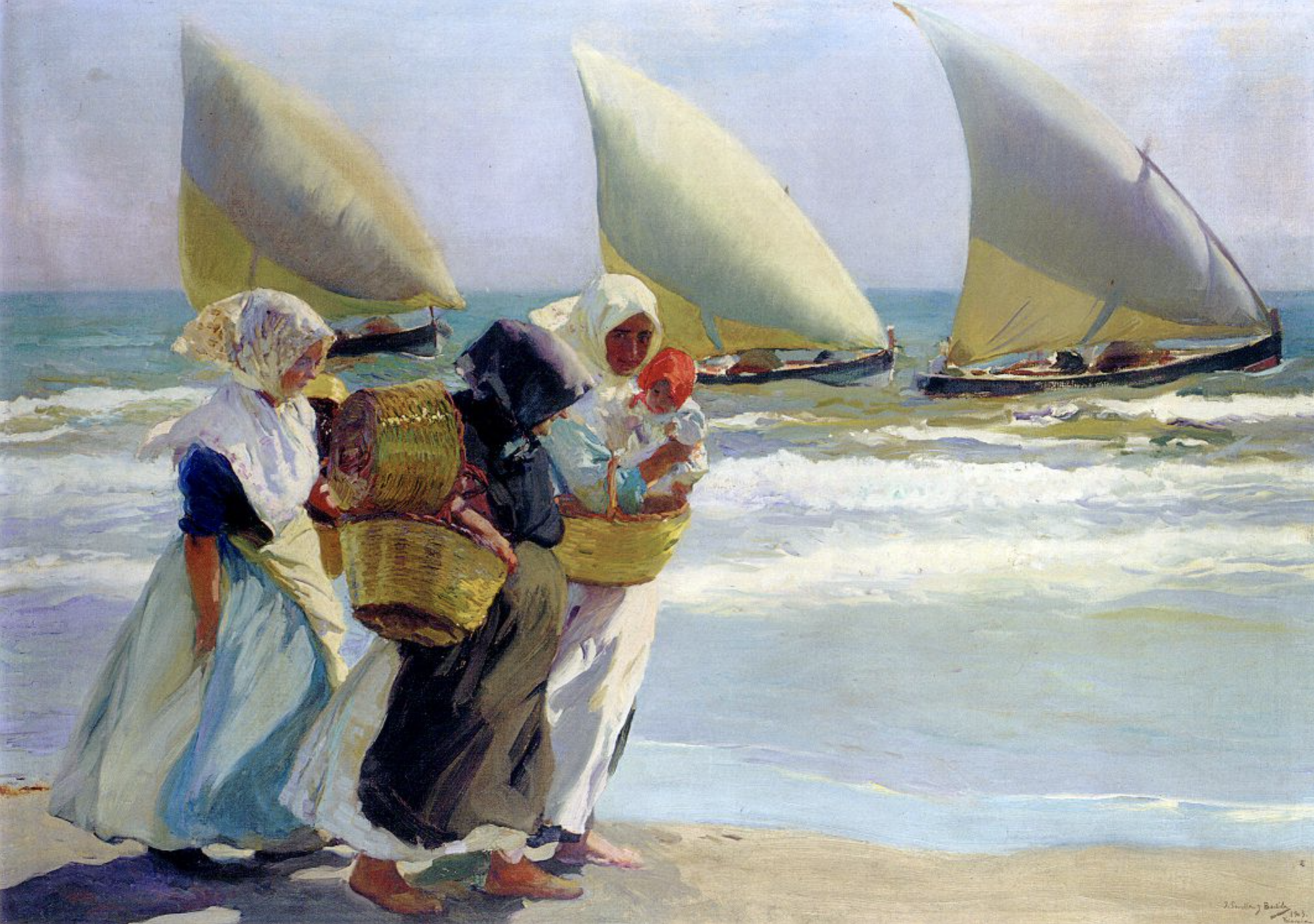
Three Sails - 1903 Valencia
And I had an ulterior motive. These have been hot days in Valencia. Working on a Scandinavian designed boat during breathless 40°days, makes a few hours in a darkly lit, airconditioned gallery appealing, whatever the quality of the art!
Sorolla was born in Valencia in 1863. His father was a watch maker of modest means. From an early age he knew he wanted to be a painter and studied at the Escuela de Bellas Artes de San Carlos in Valencia before moving to the Academy of Spain in Rome, where he absorbed the classical and Renaissance influences so obvious in his paintings. He was perhaps most famous for capturing the dazzling Mediterranean light…the same light we were so desperate to avoid. The archetypal Sorolla painting is of a beach scene and during the era in which he painted this meant there were often wooden boats involved.
These boats in Sorolla’s paintings are common but incidental, partly because the human characters have such a remarkable living vibrancy. In the same way that we at SWS try to use wooden boats as a vehicle to tell human stories, Sorolla’s maritime paintings are more about the way Valencians engaged with the Mediterranean Sea, rather than a record of the physical craft.


He often spent hours on the beach observing fishermen, children playing, and the changing light on the water. And he didn’t just paint the sea from a distance—he would wade in, trying to capture the reflections and transparency of the water. His wife, Clotilde, who appears in countless works was not only his muse but also a constant companion and supporter. Sorolla worked long hours carrying a small sketchbook everywhere, scrawling quick studies of landscapes, people, or boats that he passed. Many of these sketches later became studies for major paintings. But even with his sketches at hand, he often chose to paint outdoors, believing that only by immersing himself in the environment could he truly capture its essence. He would prepare multiple canvases at once, then switch between them depending on the light. Standing in the gallery looking at his paintings, I find myself awestruck by the energy and realism. I realise he must have spent hours with actual fishermen, watching them manoeuvre their boats, taking notes on how the ropes, sails, and hull moved in the sunshine.
Here are a couple of my favourites -
“The Return from Fishing: Hauling the Boat” (La Vuelta de la Pesca, 1894)
As a photographer I find there is something beautifully “documentary” about this image. The small space on the right for the subjects to “move into” … half of a human form, hidden behind the sail…the breaking wavelet and the two small lateen sails in the distance. I can feel the the glare of the sun and the sweat trickling down the backs of the fishermen! I would have been proud to have captured this with a camera! It was made on Valencia’s Cabañal beach which is 200m and 130 years from where we are currently moored!
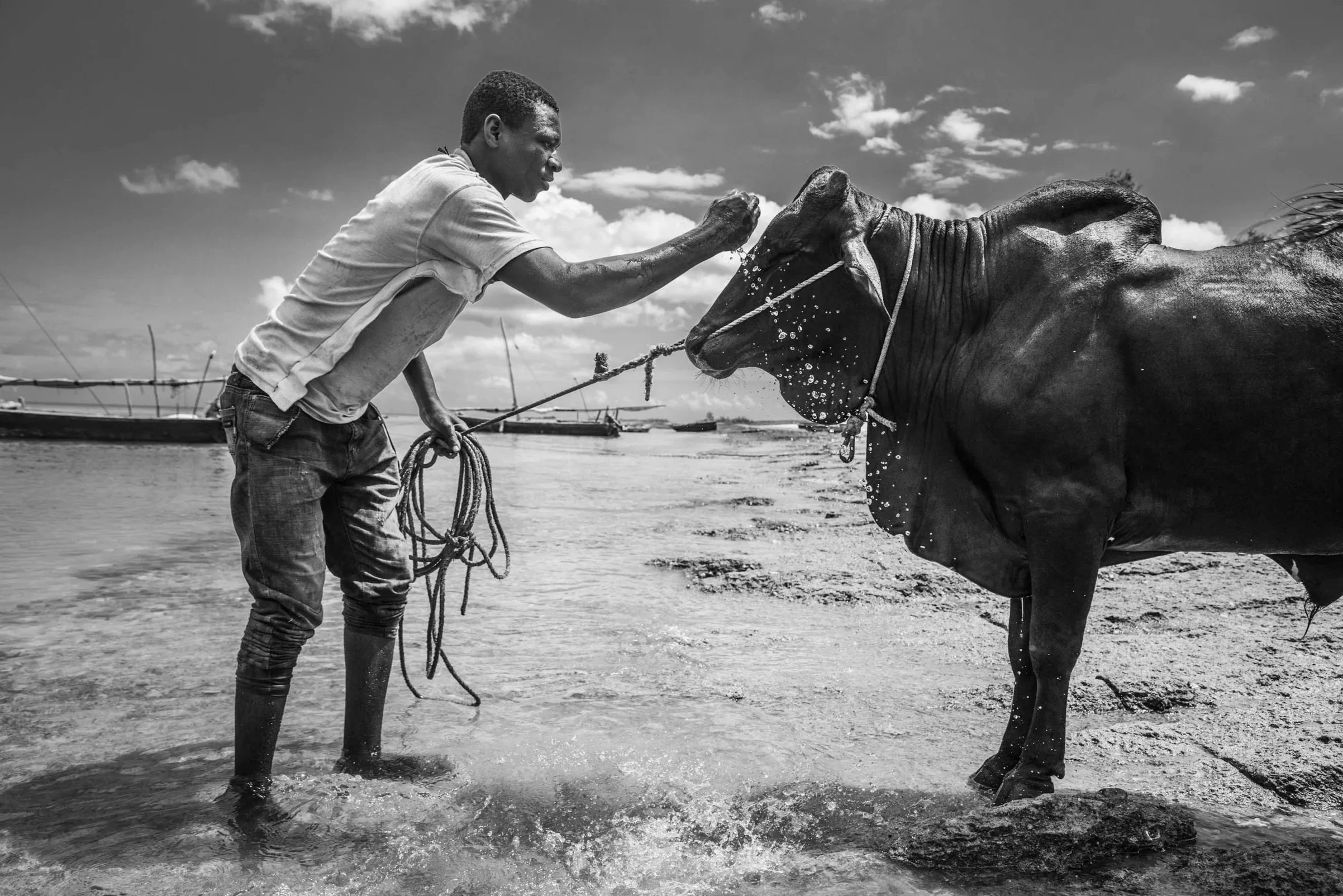
Zanzibar, Tanzania 2022 - Mark Chew
“The White Boat” (La Barca Blanca, 1905)
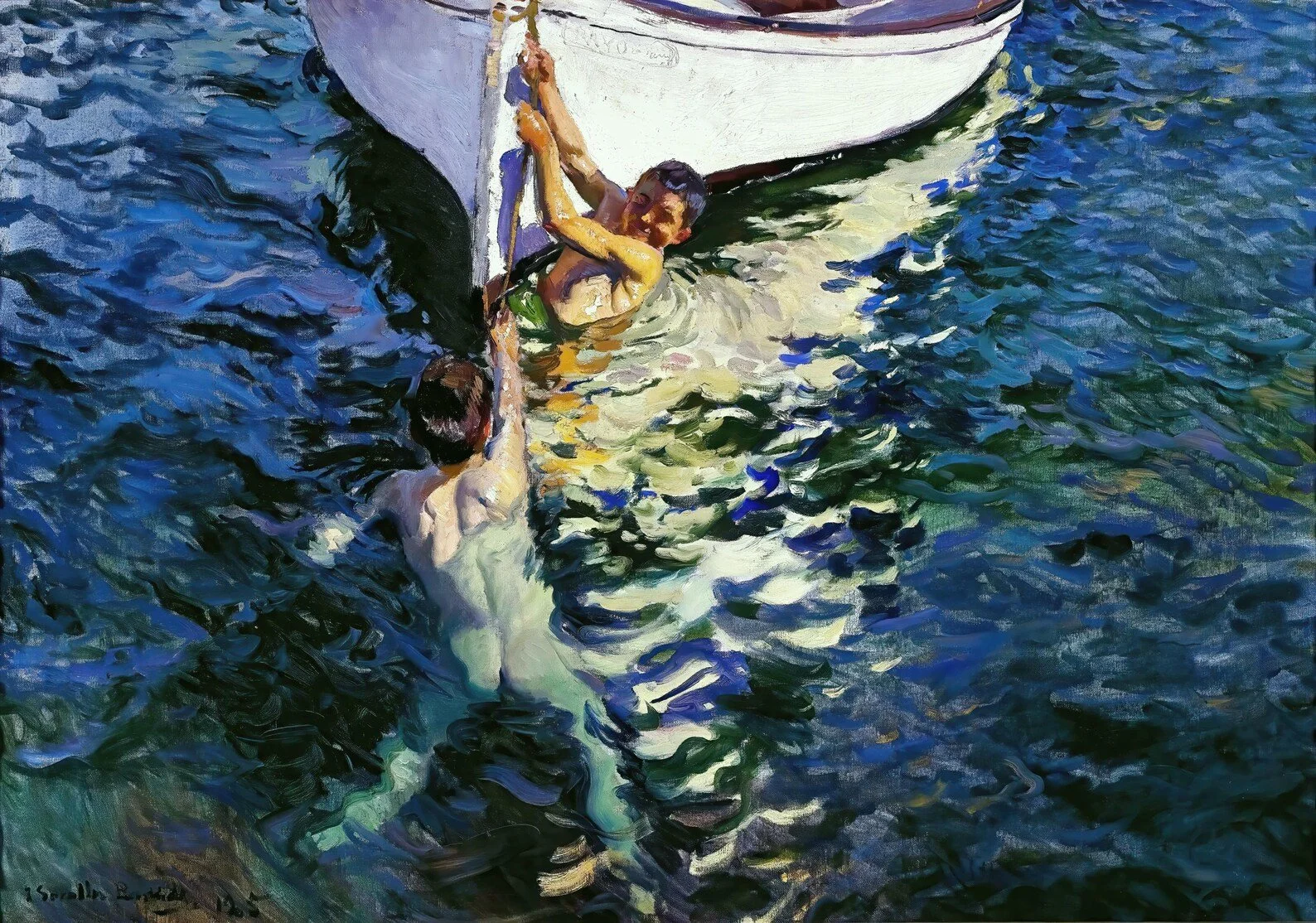
This painting almost seems contemporary. There is undoubtedly a long running practise of making artworks from scenes of boys playing in water. It’s a “genre” I have enjoyed myself!
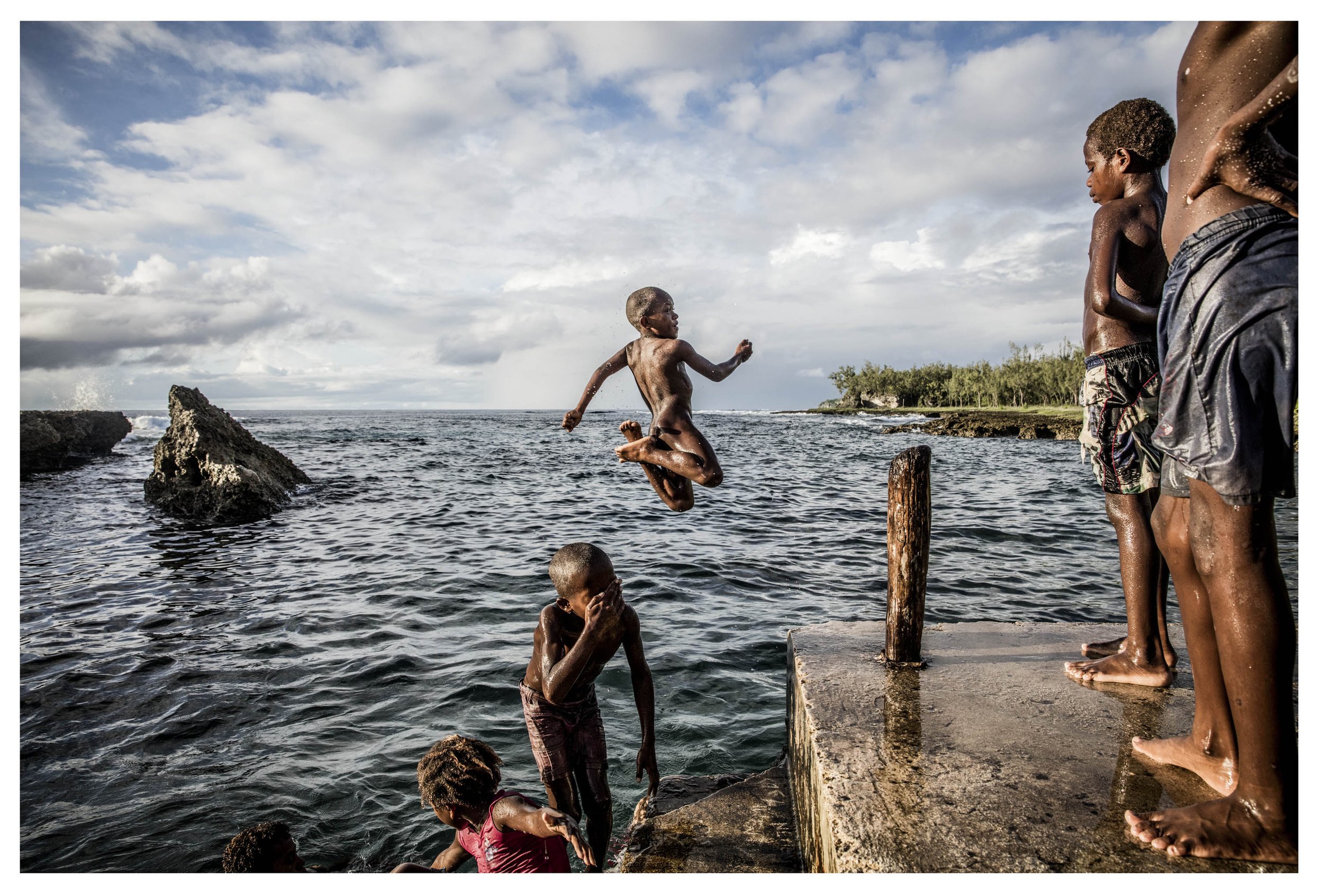
Aniwar, Vanuatu, 2018 - Mark Chew
But there is nothing in this painting by Sorolla’s that dates it. Not the curve of the boats hull, nor the haircuts of the boys. Apparently, Sorolla often sketched local children living and working around boats, encouraging them to run and play to capture natural movement. “The White Boat” made in Jávea, Valencia, reflects his love of intimate, quiet beach moments and his belief that even ordinary objects like a small boat could radiate beauty in the right Mediterranean light.
The train Station in Valencia is named after Sorolla. In Spanish it’s called the “Estación de Valencia Joaquin Sorolla Adif”. Perhaps naming an area of the port would have been more appropriate to honour the artist, but even a Railway Station speaks to the respect in which they hold this local genius!