
Working Sail Project
Those readers who don’t get the Weekly News Email will have missed my request last week for information on any genuinely sail powered working boats from around the world.
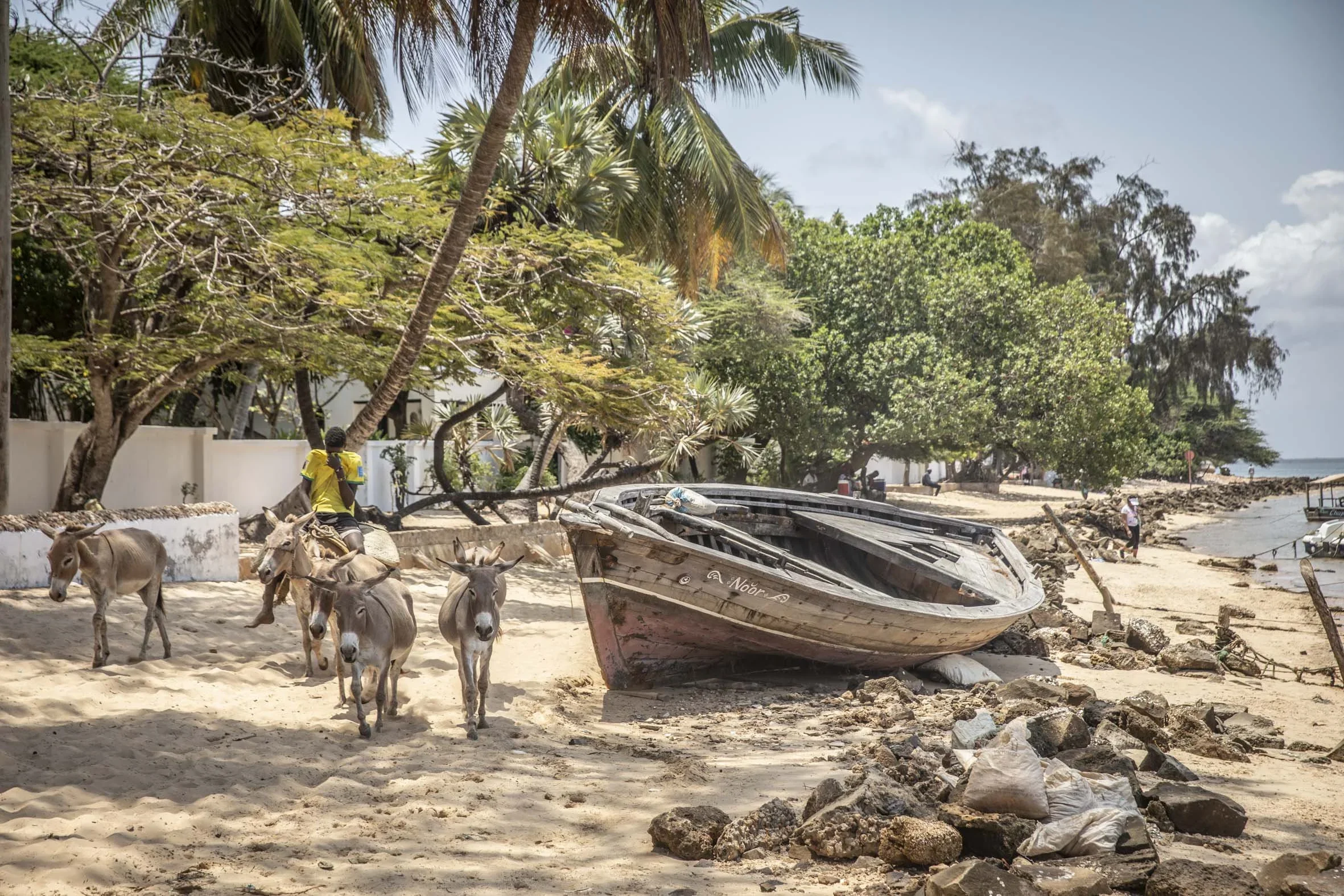
For those communities still using sail power to earning a living (or for subsistence), the choice to embrace the wind is not a romantic one. It’s a means of propulsion that’s limited by the weather, is maintenance intensive, it relies on having experienced manpower and is generally slow. So when a cheap Chinese diesel engine comes along, the decision to take down the masts is usually made with a family’s stomachs, rather than aesthetics in mind. Even so, I can’t help feeling that it’s important to document and support the people and boats that still embrace wind power for their daily needs rather than for our “western” privileged purpose of recreation.
I’ve started a short list. If you know of others, then please tell us.
· Indonesia- Sailing Pinisi, Lambo & Patorani, still operate between islands.
· Bangladesh- Sailing Sampans & Barges used for daily transport and trade on rivers and deltas.
· India, Pakistan, Oman, Yemen, Kenya, Tanzania, Somalia, UAE & Mozambique- Dhows with lateen sails used for coastal trade, fishing & transport.
· Sri Lanka- Oruwa (outriggers) are small-sailed fishing boats used for artisanal fishing & near shore transport.
· Myanmar- Sailing Sampans used for riverine transport & fishing.
· Philippines- Sailing Bancas, Paraw & Lantsa used for inter-Island transport & fishing.
· Vietnam- Sailing Sampans & Junks used for river/coastal fishing and transport on Mekong and coast.
· Pacific Islands - Outrigger canoes, used for local transport.
· Brazil (Amazon region) and Peru- River sailing canoes/small barges.
Many thanks to the readers who this week added to the list.
Charles Doane from our favourite WAVETRAIN website wrote…
“Hey guys!
Here’s another for your list of still extant working sailing vessels. Not sure what these are called, but I was very surprised and impressed early this year while anchored off Matthew Town at Great Inagua at the southern end of the Bahamas to see these Haitian trading vessels sailing in and docking in the tight basin, all with no auxiliary power.They are very crude, built of wood, with something like a lateen or crab-claw rig and spars literally hewn from solid tree limbs. Locals told me they are very active, trading between Great Inagua and Haiti, taking on cargos sent down from Nassau.
I did try to talk to one crew member, but he seemed traumatized, whether by conditions on the boat, or back in Haiti, or by my attempt to speak French I couldn’t tell.
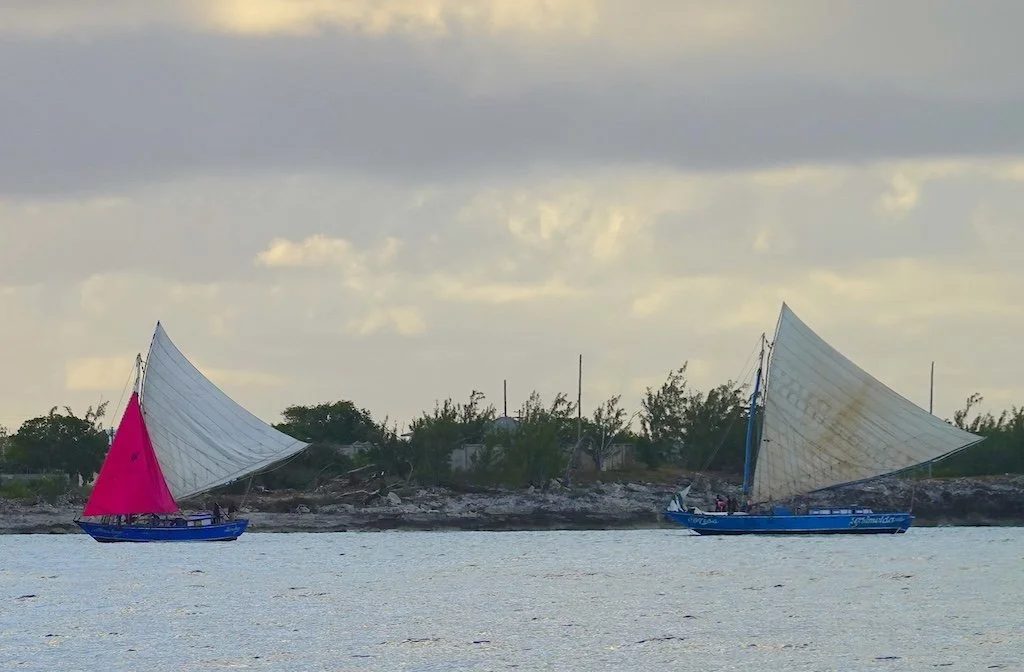

Images Charles Doane
And then Harry wrote from aboard MALULA
He told us about some sailing craft in a similar part of the world. Perhaps they are the same genre?
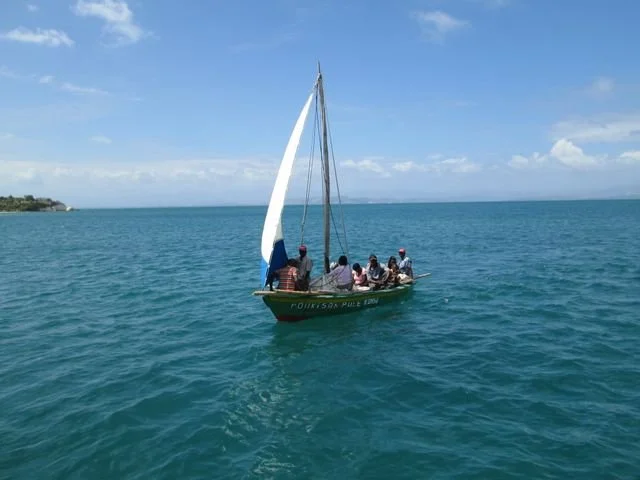
“In Haiti southern island of Vache they use sailing boats extensively especially in the south. I visited in 2012 and took a sailing vessel along with 10 or more people going to market. We landed on a beach after an hour and returned after the market closed with people and goods.
I have visited more than 50 countries via my sailing yacht from Africa to the Caribbean and Haiti is by far the poorest place I have ever visited. I did not go to the capital because it was too dangerous for a white person but the south was primative but poor. They have no fuel so sail is the best form of power. Sailing every day the captains get very good. There is no safety equipment and facilities are non existant, but it is much easier than walking!
Regards
Harry
Sv Malua

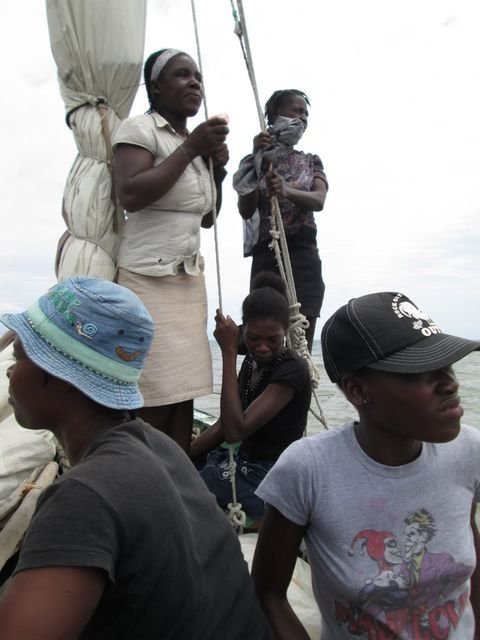
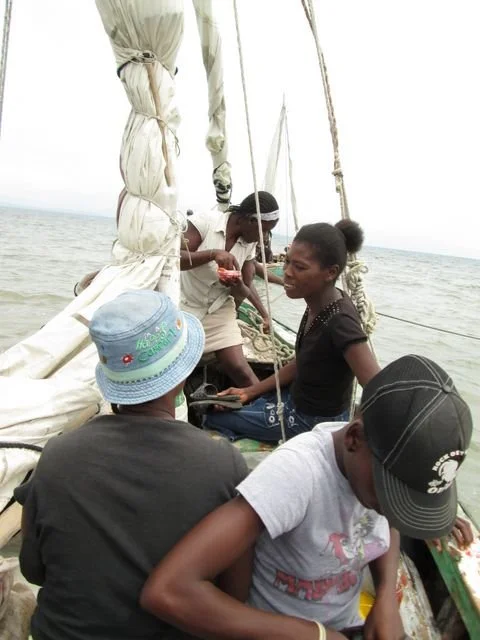


You can read about Harry’s Caribbean adventures HERE
Finally we heard from James Thompson saying
“In Panama, Kuna people of the Kuna Yala indigenous territory (San Blas ) use sail for their canoe fishing and transport, not always, but often.
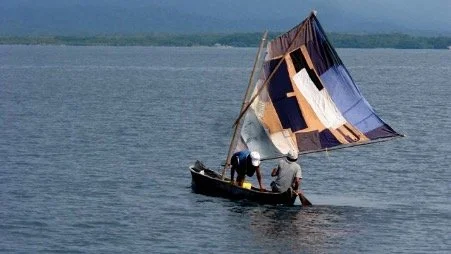
Image Jamie Thompson
You can read more about these craft here https://smallboatsmonthly.com/article/guna-yala/ and here
https://www.lapossibilitadiunisola.com/blog/sailing-ulu-guna-yala/
Thanks for the responses to this request. Please keep the stories coming. I’m hoping that we may be able to compile something more substantial from the readership’s consolidated knowledge!