Captain Mia
Words and pictures Mark Chew. Film by Sal Balharrie.
So I found myself back in Lamu.
It was just under a year since the last visit. Nairobi’s Wilson, in the middle of the city, feels like more of an “aerodrome” than an “airport” and the 70-minute flight on a Dash 8 was too hard to resist after a week of photographing in some of the more challenging areas of the metropolis.
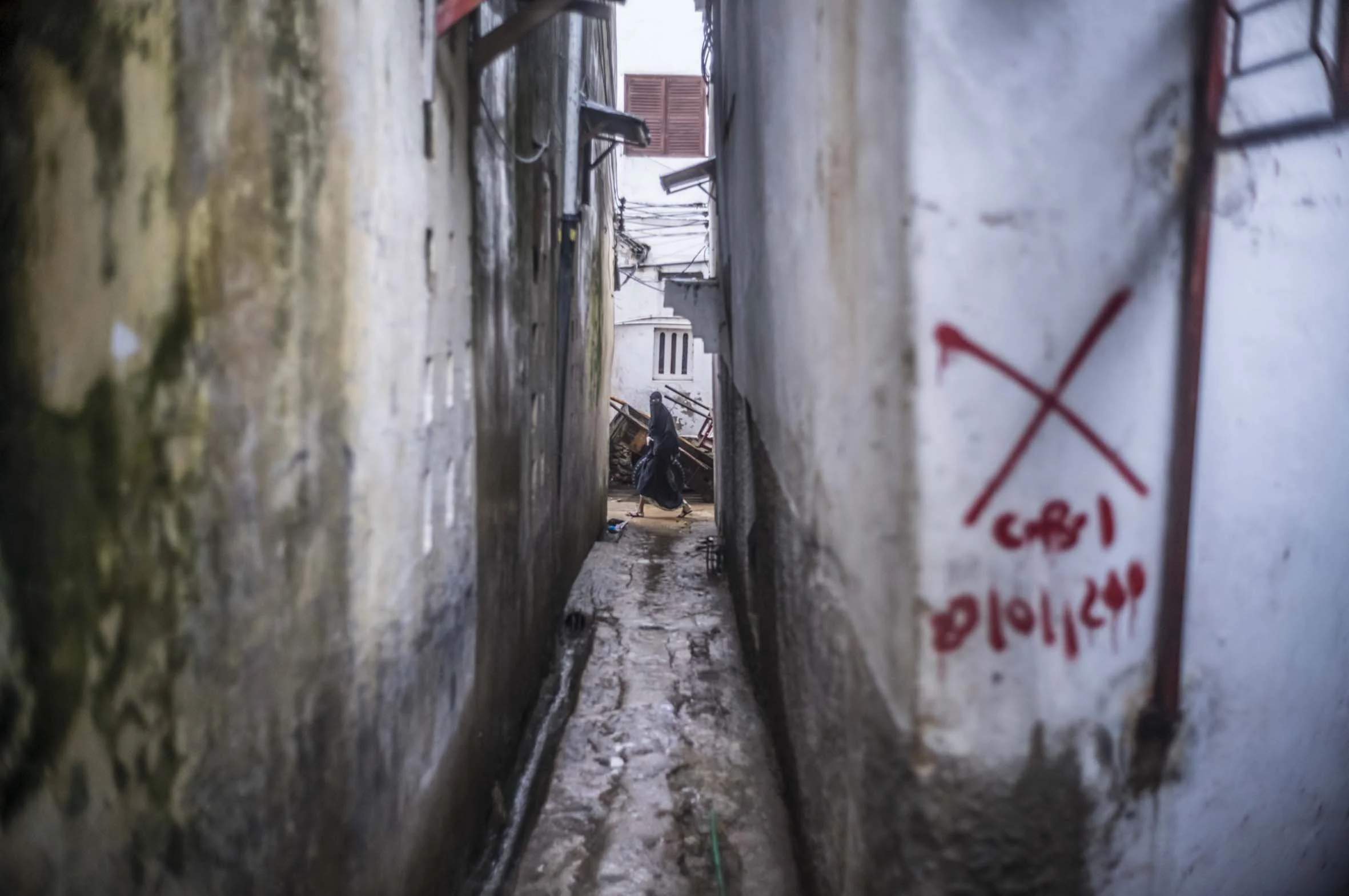
I shouldn’t be telling you about Lamu. The UNESCO heritage town has slipped under the radar of the unthinking tourist over the last decade. Perhaps it’s the tiny alleyways filled with donkey shit, or the sound of the muezzin a few yards from the bedroom window calling the faithful to prayer at 4.30 every morning, or the ubiquitous developing world’s plastic waste, but I suspect it’s more likely the DFAT (or equivalent) travel warnings.
Reconsider your need to travel to Lamu County and areas within Tana River and Kilifi Counties, extending 50km inland in Tana River County, and 50km inland in Kilifi County north of the Galana-Sabaki River, due to the high risk of terrorist attack and kidnapping.
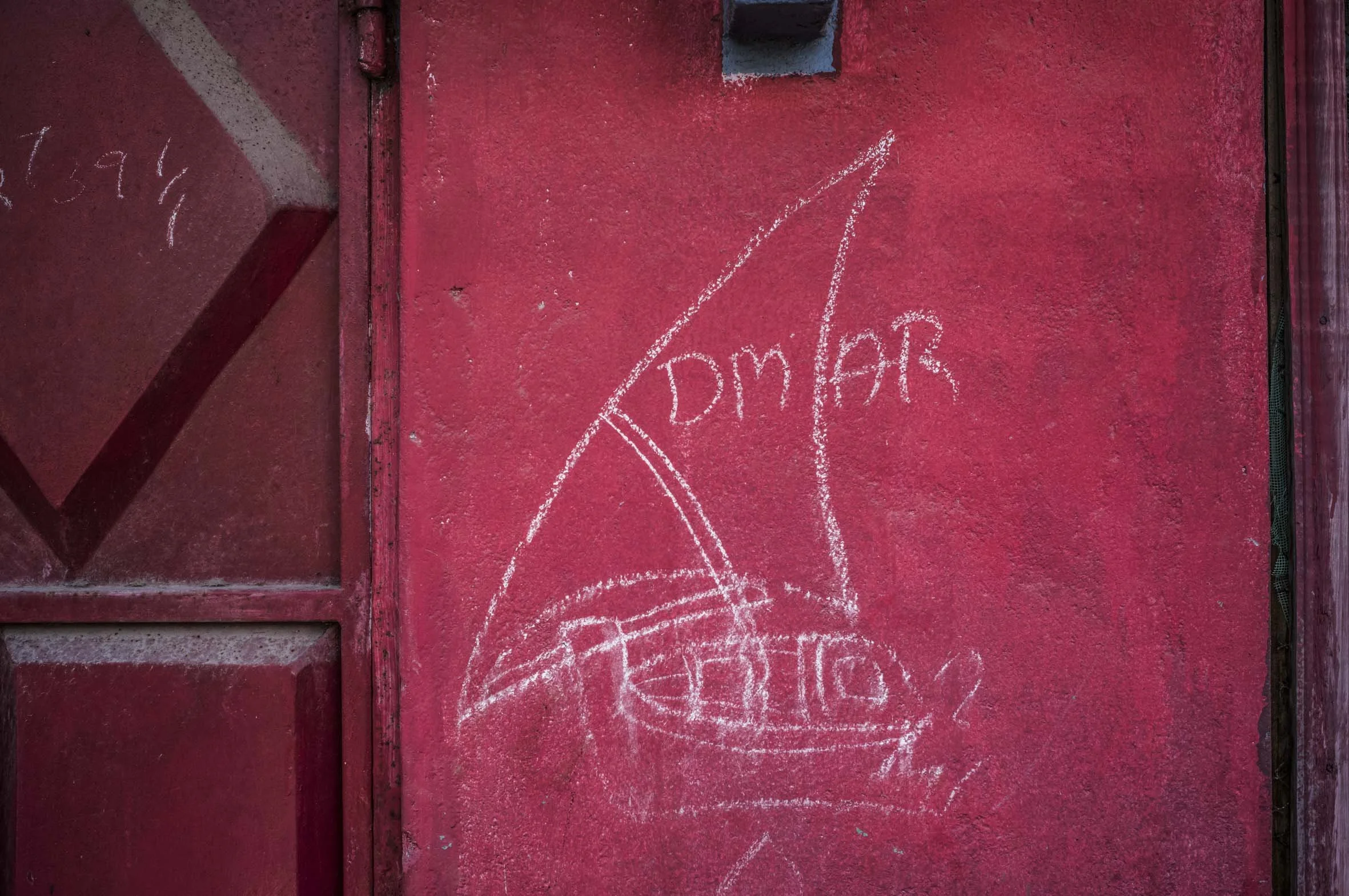
However Sal and I were now on the Island and we felt safe, especially once we’d met Captain Mia who is the skipper of one of the oldest dhows on the coast, the TUSITIRI, a magnificent charter vessel, owned by a Norwegian woman, and run as a business.
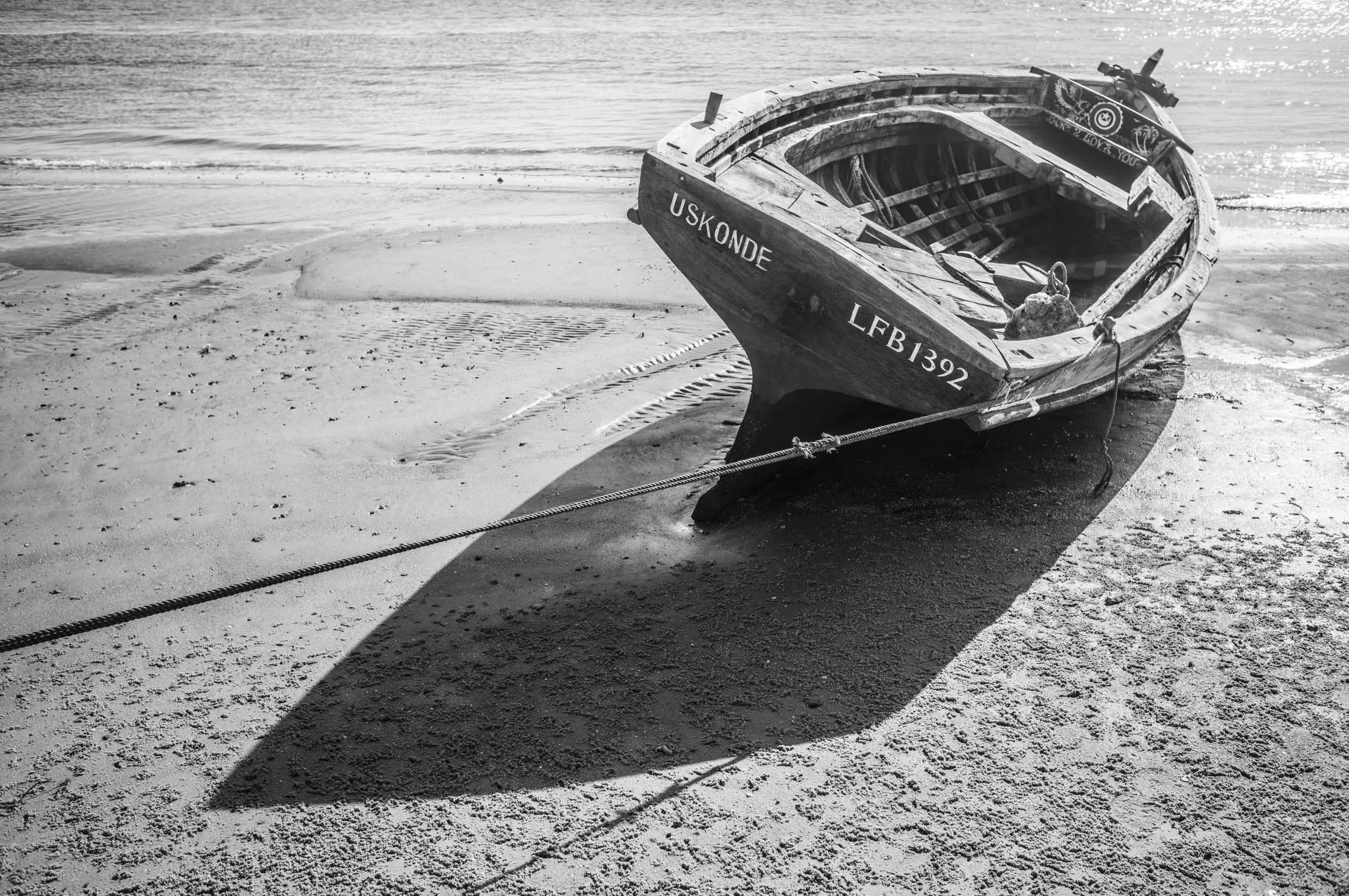
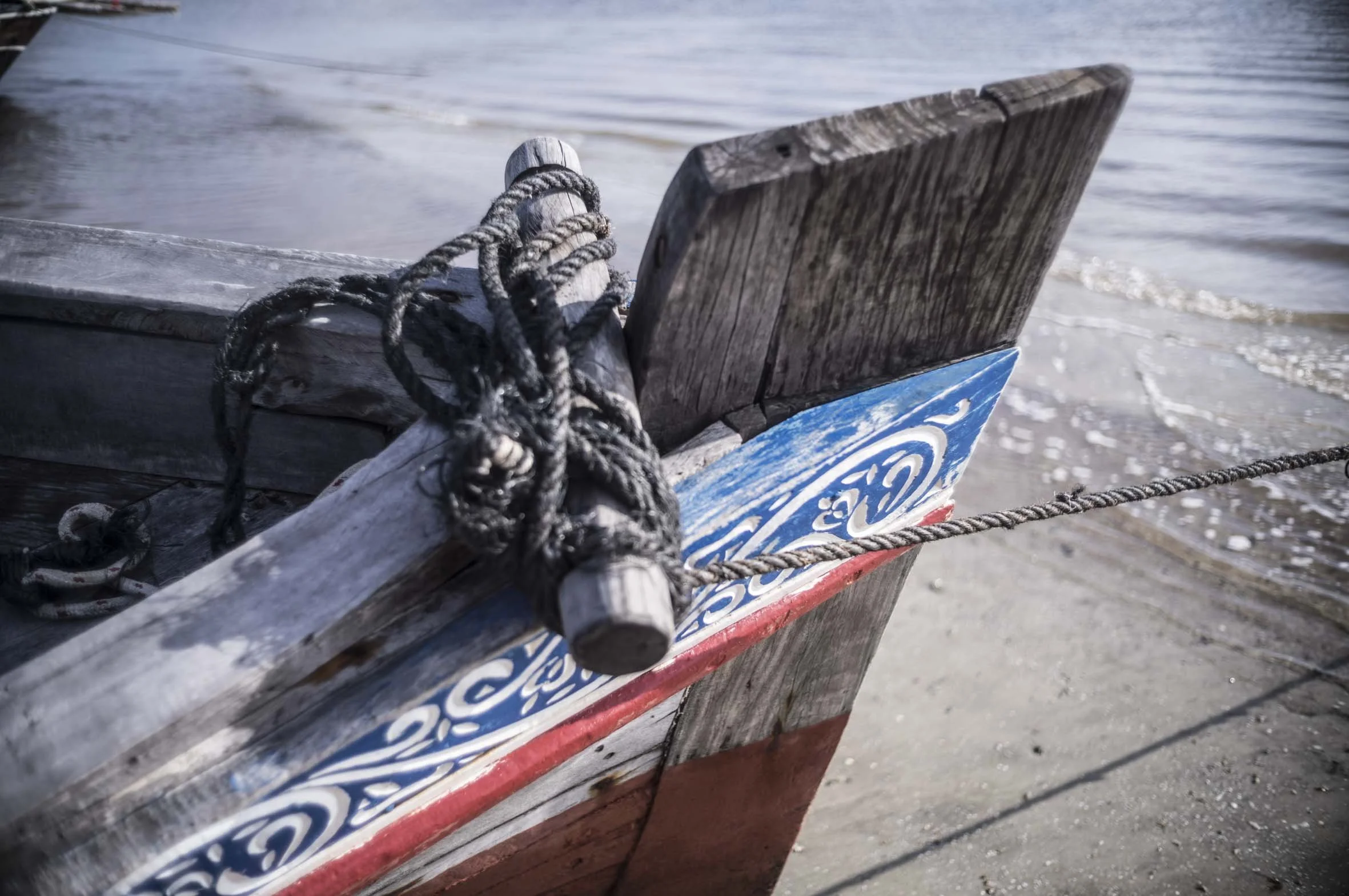
As we walked north up coast from the 200 year old Fort , and I noticed the TUSITIRI lying gently healed over on the sand, on her port side with her starboard hull freshly painted. Her rudder had been removed and she was obviously being tidied up for the coming season. As I admired the dhow, a warm faced man sidled up and started chatting. He was wearing a kufi, the round and brimless hat loved by so many Muslim men, and given his quiet smiling confidence, I felt an immediate rapport. Here was a man from a culture so different from my own, who love wooden boats in the same way as me, for the same reasons.

We talked about the boat and his sailing life in Lamu. So many of his issues were the same; dwindling timber supplies, increasing maintenance costs, changing weather patterns. Within a few minutes he had invited us for a sail on his smaller double ended dhow the SAFINA to learn a little about how to sail a lateen rigged boat and to enjoy the waters of the mangrove clad Lamu channel at the height of the off season.
After a few hours gentle cruising, chatting and laughing, Mia told us about the Dhow racing in November. They get fleets of over twenty boats and he competes in his bigger local dhow with eighteen crew. On average, over the three days of racing, four craft sink and a couple lose their masts. There are some rules, but they seem vague. Apparently there’s lots of shouting, with the honour of the boatbuilders, skippers and local communities at stake. Mia casually asks… “Would I like to crew for him this year?”
Better book a ticket!