
Flotsam & Jetsam 3.10.25
PETREL continues her journey back to life
Those of you who enjoyed Malcolm Lambe’s article from May, entitled PETREL’s Renovation might be interested to see the latest video about how the work is progressing. In this episode of Petrel, Larry Eastwood visits a sister ship to gather design inspiration. The boatbuilder then meticulously crafts new laminated ring frames and knees, sourcing rare timber from a paddle steamer. Expect detailed woodworking techniques, from shaping to installation.
One hundred years of naval architecture
30 September 2025
At the stroke of 10 this morning in bright sunshine, the kilted crewman on Elena of London breathed life into his bagpipes to signal the Tradition yachts’ departure from the port of St Tropez. Split into 9 classes, the 81 classic yachts, with the schooner Atlantic taking the role of flagship, took to the stage in Les Voiles de Saint-Tropez, preceded the day before by the Modern and Maxi yachts. Once again, the entire history of naval architecture paraded in front of the Village atop the Jean Réveille jetty. A genuine feast for the eyes!
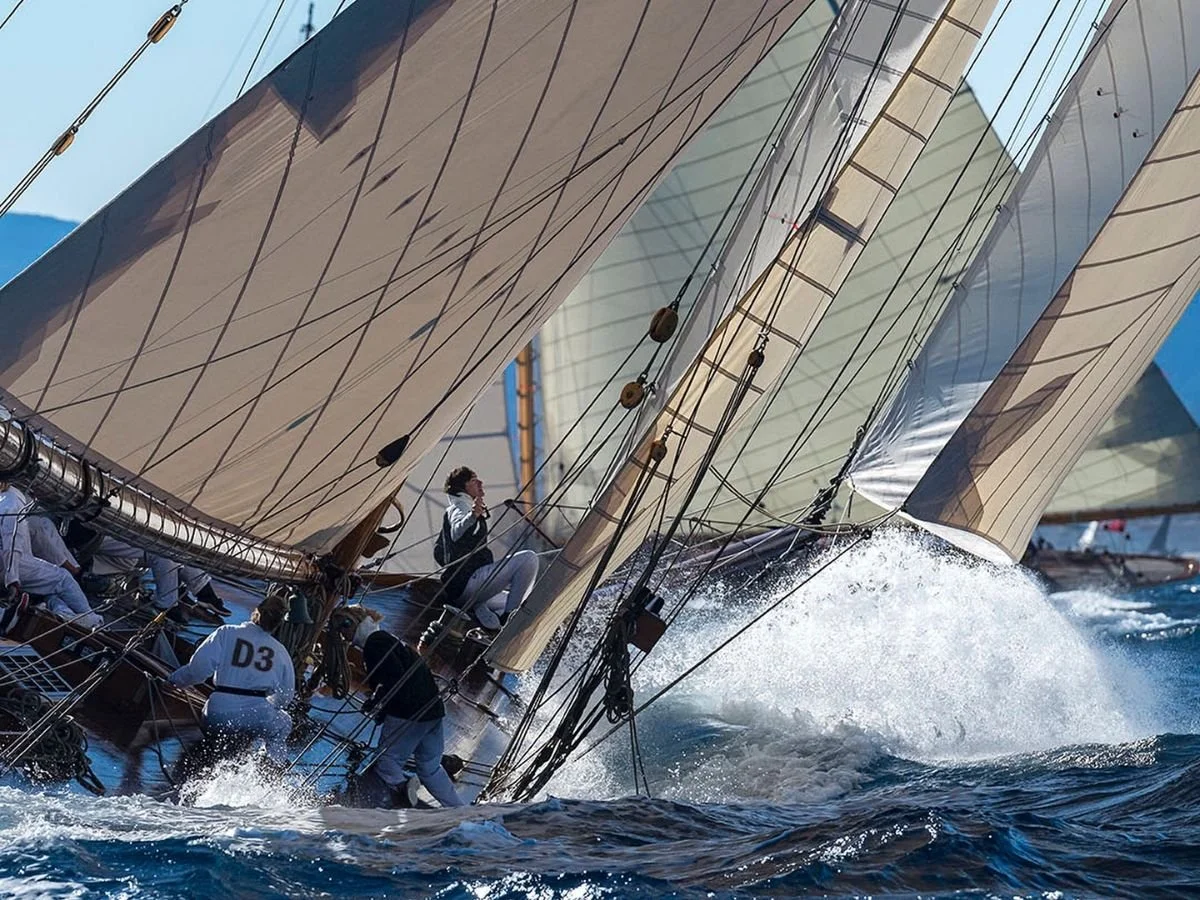
A journey through time and space.
A huge fan of the Nioulargue, Eric Tabarly used to say that wandering along the quayside in St Tropez during the event was like “strolling through the pages of a book on maritime history.” It is a sentiment that still resonated at teatime at the Portalet Tower, where the ferocious race starts among the Modern fleet were followed by a great swathe of Tradition yachts.
An epic journey in time and space, from New York with the P Class yachts, to Fairlie in Scotland where the three generations of Fife designs were born, on to Sydney and Auckland with the 12mRs match racing across the line as they did in their heyday (Perth, 1987!)
It is also an opportunity to catch a glimpse of some newcomers like Cariad, the large Arthur Payne gaff ketch (36 m), salute the new centenarian Leonora, an Anker designed Q Class and rejoice at the return of the elegant Sumurun (35-metre Fife), now owned by Jean-Pierre Dréau, and the formidable Spartan (22 m Herreshoff).
The highlight of the on-the-water extravaganza was at 1:30 pm when the Race Committee launched the last start procedure of the day, that of the Big Boats competing for the Rolex Trophy. Though the only sloop of this exceptional 10-boat fleet, Cambria, quickly snatched the lead, the sight of Atlantic fully powered up level with the committee boat as the starting gun fired, will remain an iconic moment in the history of Les Voiles de Saint-Tropez.
A ‘Super Big Deal’
You may not have hear of MONGABAY but the world is in desperate need of more media organisations like this one.
They are an independent, nonprofit media organization that provides original, evidence-driven news and information on nature, conservation, and environmental science. Founded in 1999 by Rhett Ayers Butler, it operates a global network of local reporters and publishes content in several languages to inform a wide audience about threats to ecosystems, the importance of biodiversity and indigenous rights, and potential solutions to environmental challenges.
Its a pleasure to be able to report on a good news environmental story for a change!
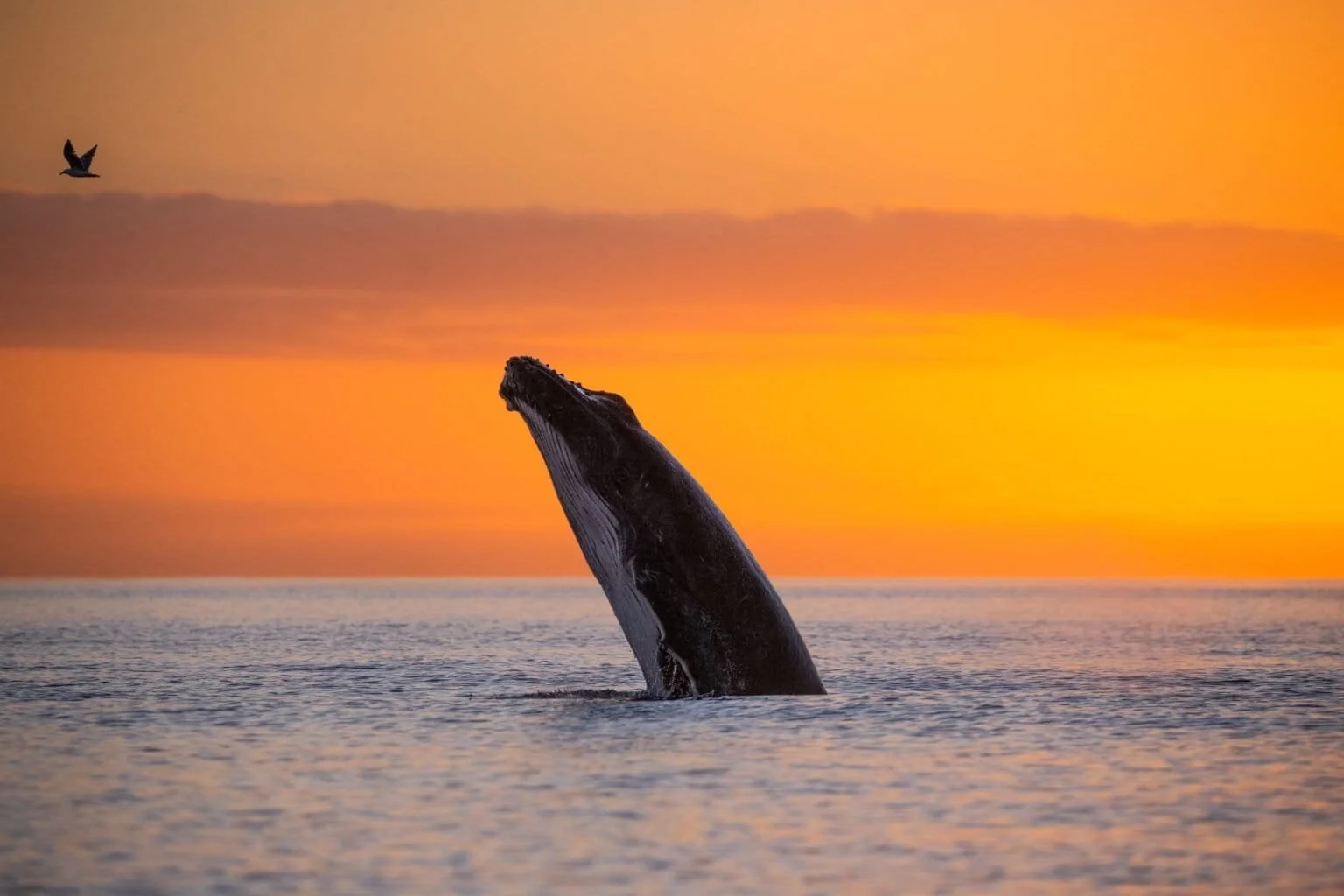
A humpback whale (Megaptera novaeangliae) near Ningaloo Reef in Western Australia. Image courtesy of Dani Escayola/Ocean Image Bank.
High seas treaty reaches enough ratifications to become law
by Edward Carver
A major treaty establishing a framework for the world’s nations to jointly manage marine conservation in international waters, which cover about half of the Earth’s surface, has reached enough ratifications to become international law. It will come into force in January.
The deal, known as the agreement on the conservation and sustainable use of marine biological diversity of areas beyond national jurisdiction (BBNJ), was reached in 2023 with much fanfare in marine conservation circles. But like any international agreement, the high seas treaty, as it’s often called, didn’t just become law overnight. It required 60 countries to ratify it to enter into force. Now, with unusual speed by the standards of such deals, it’s reached that threshold.
Morocco deposited its instrument of acceptance on Sept. 19, becoming the 60th country to do so. That launched a 120-day period until the treaty will become binding international law, on Jan. 17, 2026. Experts and advocates celebrated the occasion, calling it a win for conservation and international cooperation.
“This is a super big deal, both for ocean protection and for proving that there’s still hope in multilateralism, that countries can come together and do big things, even in these times where there’s so much discord across the world,” Arlo Hemphill, an oceans project lead at Greenpeace USA, told Mongabay.
Morocco’s mission to the U.N. called it “a milestone for the protection of the ocean, the strengthening of multilateralism, and the collective commitment of the international community to safeguarding marine biodiversity beyond national jurisdiction” in an X post.
Phillianne Ernesta, an official in the fishing ministry of the Seychelles, an archipelagic nation in the Indian Ocean, also hailed the achievement and her country’s role as an early ratifier of BBNJ. “We are proud to contribute to a treaty that will strengthen conservation, advance scientific research, and support sustainable blue economy opportunities for present and future generations,” Ernesta said in a statement.
Maritime mavens seek lost shipwrecks
SHIPWRECKS and the circulation of wealth via maritime trade are among the themes of a symposium to be held in Sydney in November.
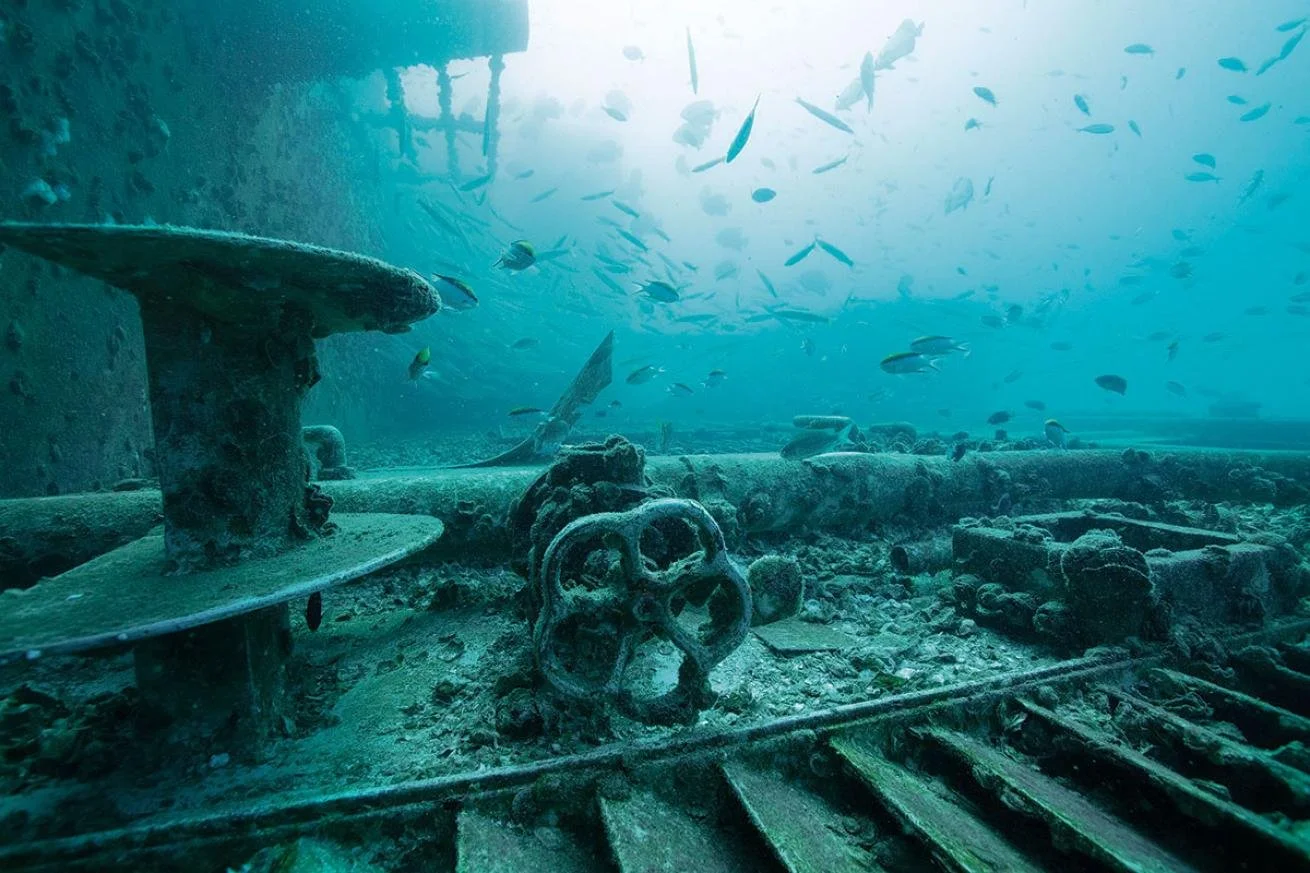
HMAS Tobruck off the Queensland Coast.
The symposium is entitled Sea Changes: Power, Money and Technology in the Maritime World and aims to bring together interdisciplinary approaches to historical shipwrecks across the Indo-Pacific and the Mediterranean.
The symposium is to be held at the University of Sydney and the Australian National Maritime Museum on 27 and 28 November.
Senior lecturer in heritage studies at the University of Sydney, Natali Pearson, said they were calling for the submissions of papers for the event.
“This exciting initiative is hosted by the Change and Innovation Research Cluster at the Vere Gordon Childe Centre, with support from the Chau Chak Wing Museum and the Australian National Maritime Museum,” Dr Pearson said.
“We’re honoured to welcome Professor Wendy van Duivenvoorde as our keynote speaker.”
Profess Wendy van Duivenvoorde is a professor of maritime archaeology at Flinders University in South Australia and a recognised authority in seafaring, shipbuilding, technology and knowledge transfer.
Her research primarily examines global seafaring, including historical and archaeological studies of Western Australia's early European shipwrecks and shipbuilding in the Australian colonies.
Symposium themes include:
Shipwrecks as sites of technological innovation
Circulation of wealth through maritime trade
Intangible heritage and seafaring knowledge
Artistic and architectural representations of maritime power
Comparative approaches across the Mediterranean and Indo-Pacific
Proposals are invited for:
20-minute papers
Roundtable contributions
HDR/ECR bursaries
Papers must be submitted by 5pm on Friday 3 October.
National Historic Ships UK Vessel Register
We love the Australian Register of Historic Vessels, managed by the the Australian National Maritime Museum. They have some issues with degrading data and website malfunction, but generally its a great resource. But the British equivalent is next level. They add vessels each month and the range and detail on the craft is phenomenal.
There are currently 2,000+ vessels on the British Registers, which comprise the National Register of Historic Vessels (NRHV), National Historic Fleet (NHF), Overseas Watch List (OWL), National Archive of Historic Vessels (NAHV), and Replica List. Eight vessels were added to the list this month. Click the vessel names below to find out more about them.
Three Brothers (1901 Fishing Vessel)
Built by W Frazier & Son, Mevagissey, for local owner WH May. She took part in Operations Dynamo and Cycle in May and June 1940. Her current owner (since 2018) has been undertaking regular repairs whilst living aboard.
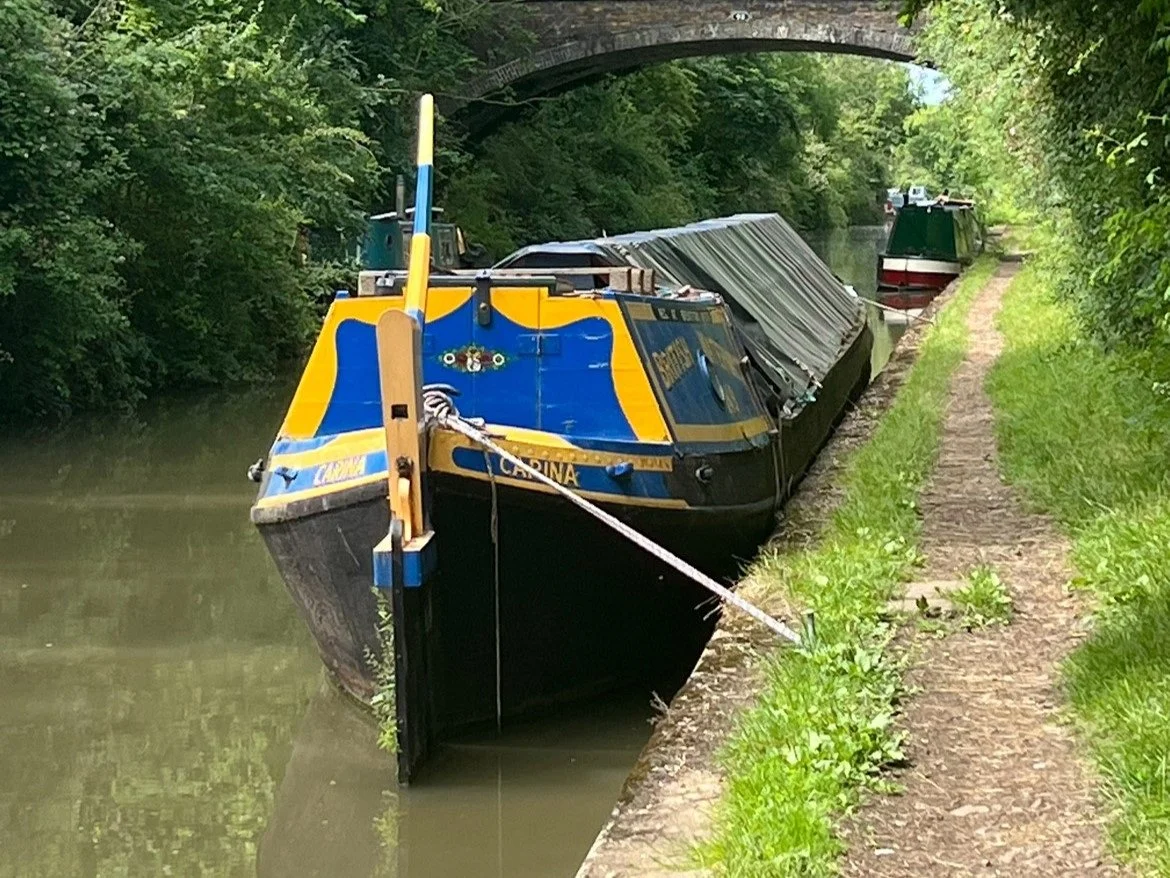
Carina (1935 Butty)
Built by Yarwood & Sons of Northwich as a Star Class Butty for the Grand Union Canal Carrying Company. Under current ownership since 2024, work is being done to restore her to original condition and livery.
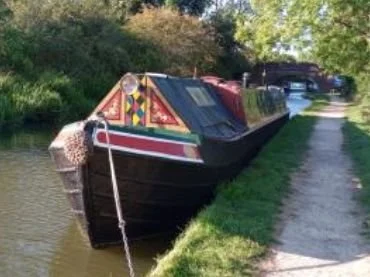
Kenelm (1937 Narrowboat)
Town Class Large Woolwich built for the Grand Union Canal Carrying Company by Harland & Wolff, originally named Epsom. Under new ownership as of 2025, she retains the original cabin exterior paintwork and boatman's cabin.
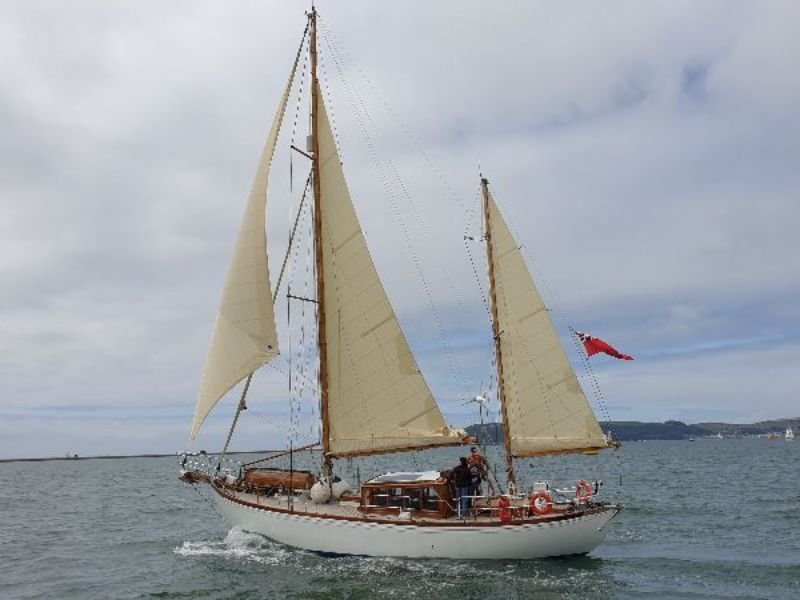
Springtide (1956 Pleasure Yacht)
Built by RJ Priors, Burnham on Crouch, designed by Alan Buchanan. Rebuilt in the 1980s, she subsequently sailed down the Atlantic coast. Under current ownership since 2022, she has new sails, standing rigging, electronics, and a new deckhouse. Now on an extended cruise in the Mediterranean.
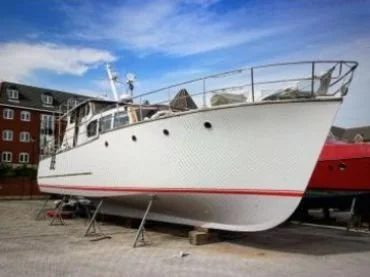
Kiamara (1960 Motor Yacht)
Built by William Osborne, Littlehampton, a Gentleman’s Yacht of mahogany and teak, still fitted with her original twin Detroit Diesel engines. Currently undergoing a nearly-finished four-year-long conservation project.
Maid of Shannon (1968 Pleasure Yacht)
Built by David Hillyard, the first of ten 11 Tonner Motor Sailers to be built under the design of Dennis Cullingford. Ken and Margaret Pausey owned her for forty years, keeping her in immaculate condition. Her current owners have strived to keep her in as original condition as possible.
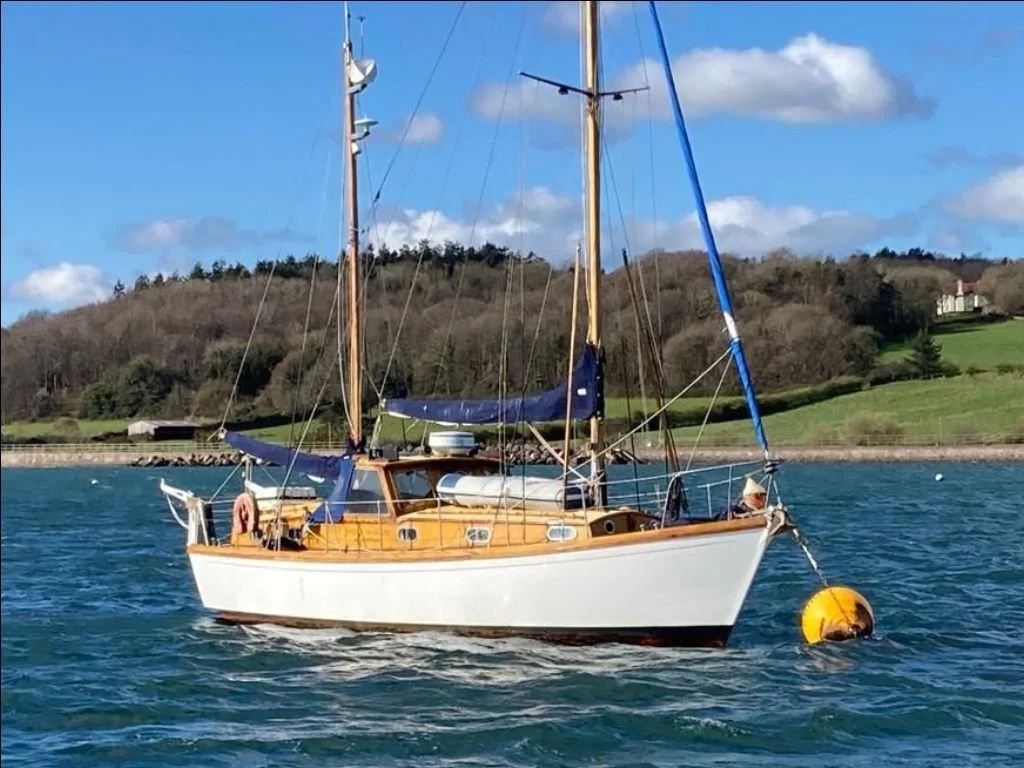
Elkstone (1970 Admiralty Tender)
One of 32 Clovelly-class fleet tenders built by JW Cook, Wivenhoe, for the Royal Maritime Auxiliary Service. Currently used as a houseboat, she has undergone some structural changes with the advice of a naval architect to make her more liveable.
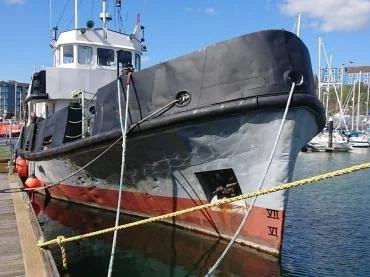
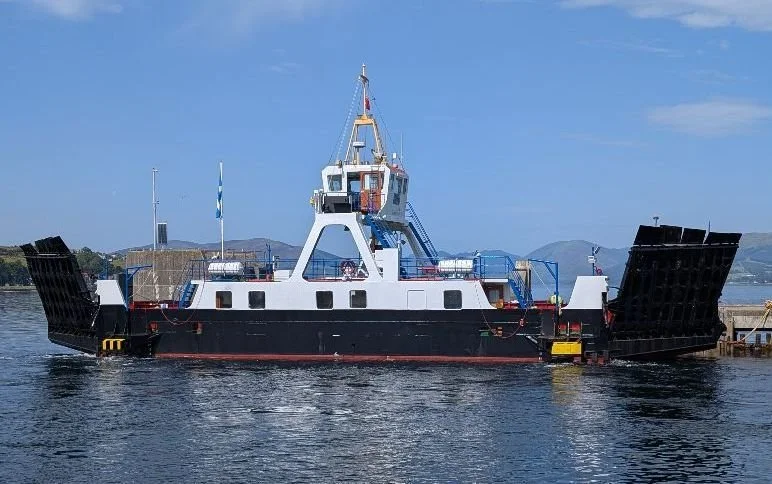
Maid of Glencoul (1975 Ferry)
Built by MacCrindle Shipbuilding Ltd., Ardrossan, for Highland Council. She now operates as the Corran car and passenger ferry, providing a lifeline connection linking small Highland communities with Fort William and the Isle of Mull.
If you are interested in learning more about the National Historic Ships UK you can Sign Up for their newsletter for free
Wooden Innovation
We are fully aware that the piece below is self promotion for Rockport Marine, but good on them for showing the rest of us that building a wooden boat doesn’t have to men chopping down Huon Pine/Kauri/Oak trees. It’s the type of innovation we are going to need more of, and the boat itself looks pretty special too!
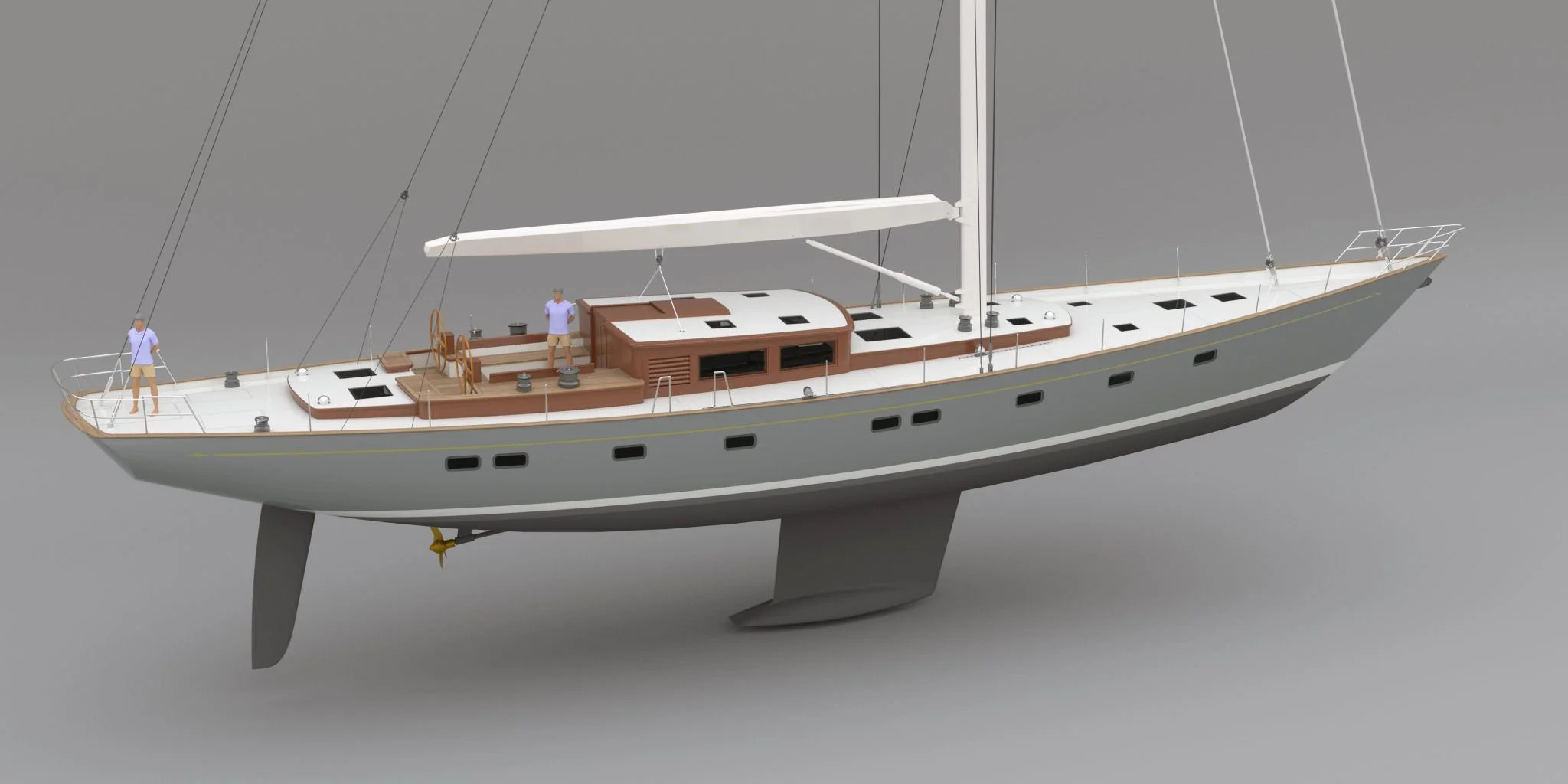
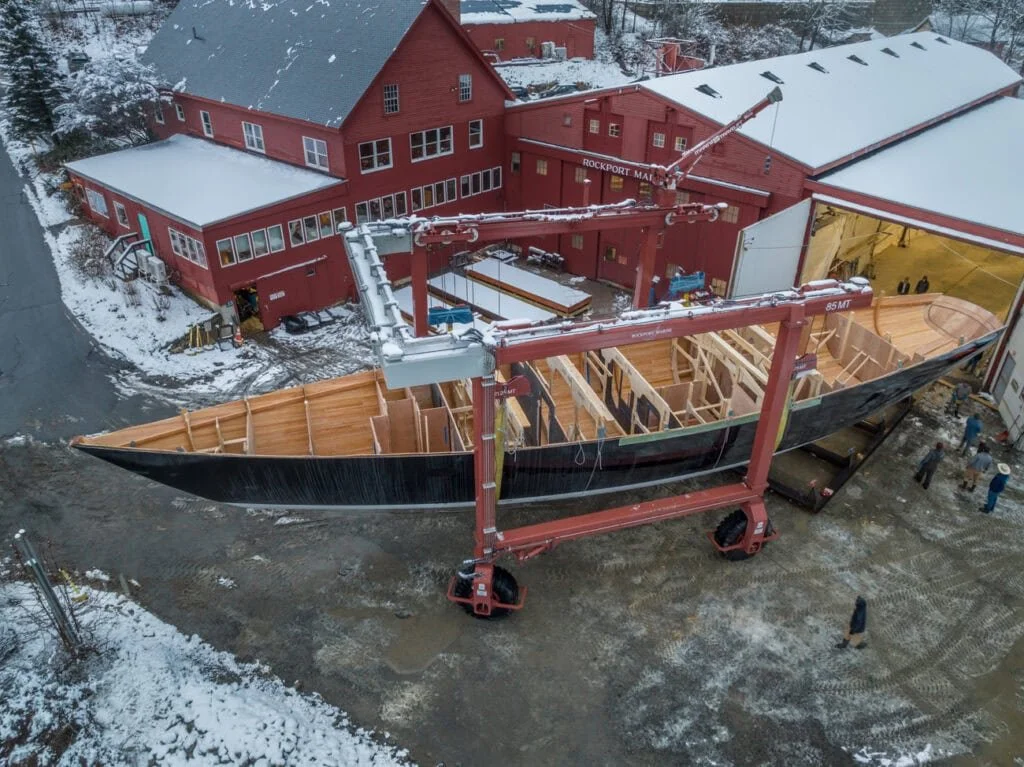
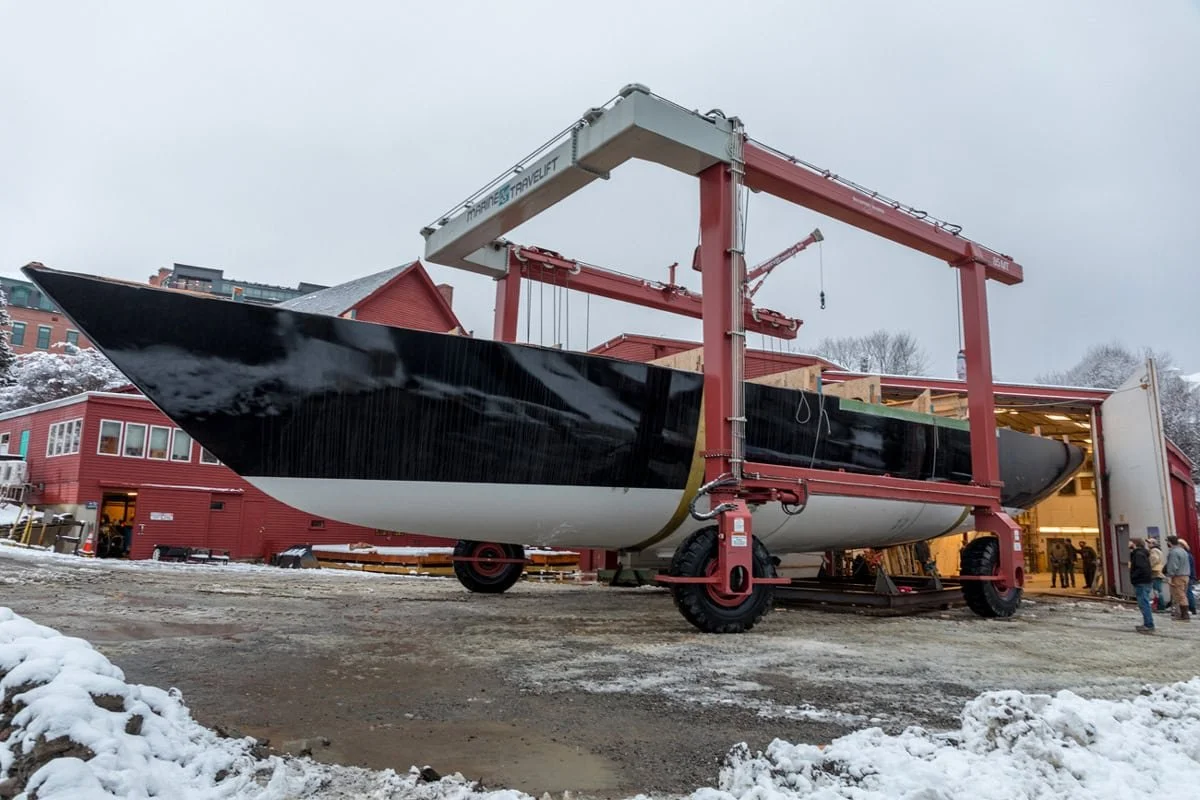
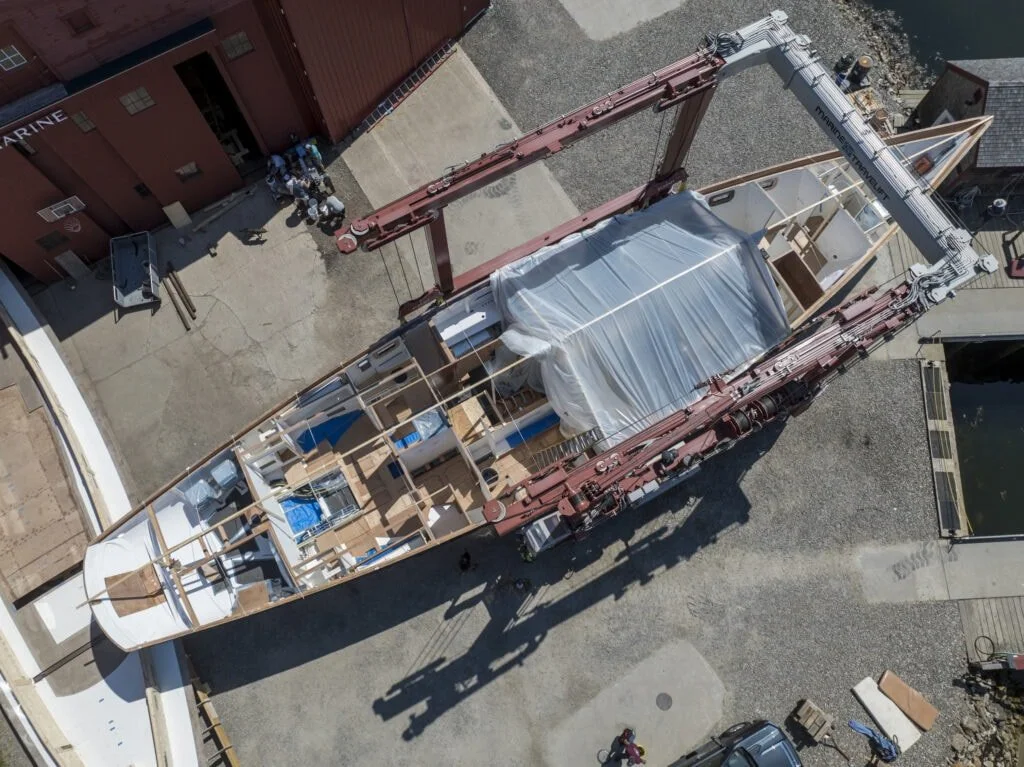
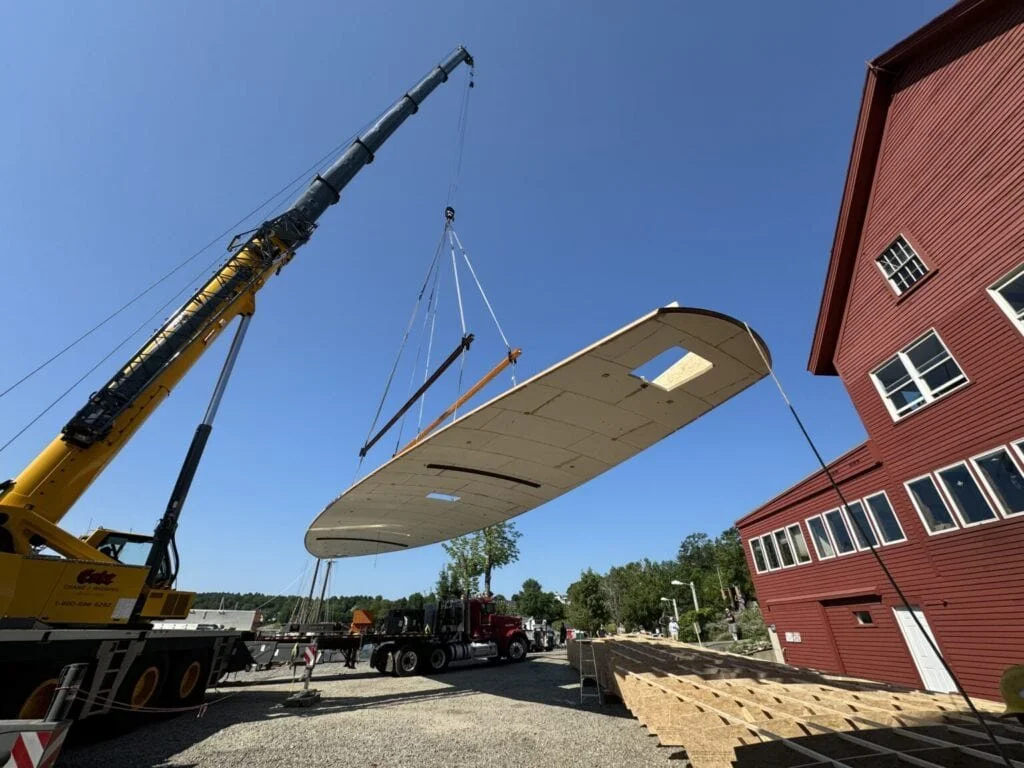
Project OUZEL- A 95-foot (29m) modern classic superyacht designed for world cruising. Constructed by Rockport Marine, managed by MCM Newport, concept and naval architecture by Langan Design Partners with a contemporary classic interior by Mark Whiteley.
When the owners—experienced sailors with an eye for detail—decided it was time for a new custom yacht to take them on far flung adventures, they knew one thing for sure: she had to be built in New England, where seaworthy boats and fine craftsmanship run deep.
MCM and Langan Design partnered with Rockport Marine on several earlier projects and knew the yard’s passion, three generations of know-how and, of course, the midcoast Maine location was a perfect fit for a New England project. MCM made the introduction and the rest is history.
Design
Project OUZEL is a custom design developed by Langan Design Partners of Newport, RI, guided closely by the owners’ brief. Her lines reflect a timeless aesthetic—graceful sheer, generous overhangs, and a low-profile deckhouse that nods to classic yachting traditions.
But there’s performance beneath the elegance. A modern rig, Park Avenue boom, and efficient keel give OUZEL the ability to move when called upon—a capable sailing yacht that doesn’t trade speed for style. The result is a thoughtful balance: traditional form with performance built in.
Construction Technique
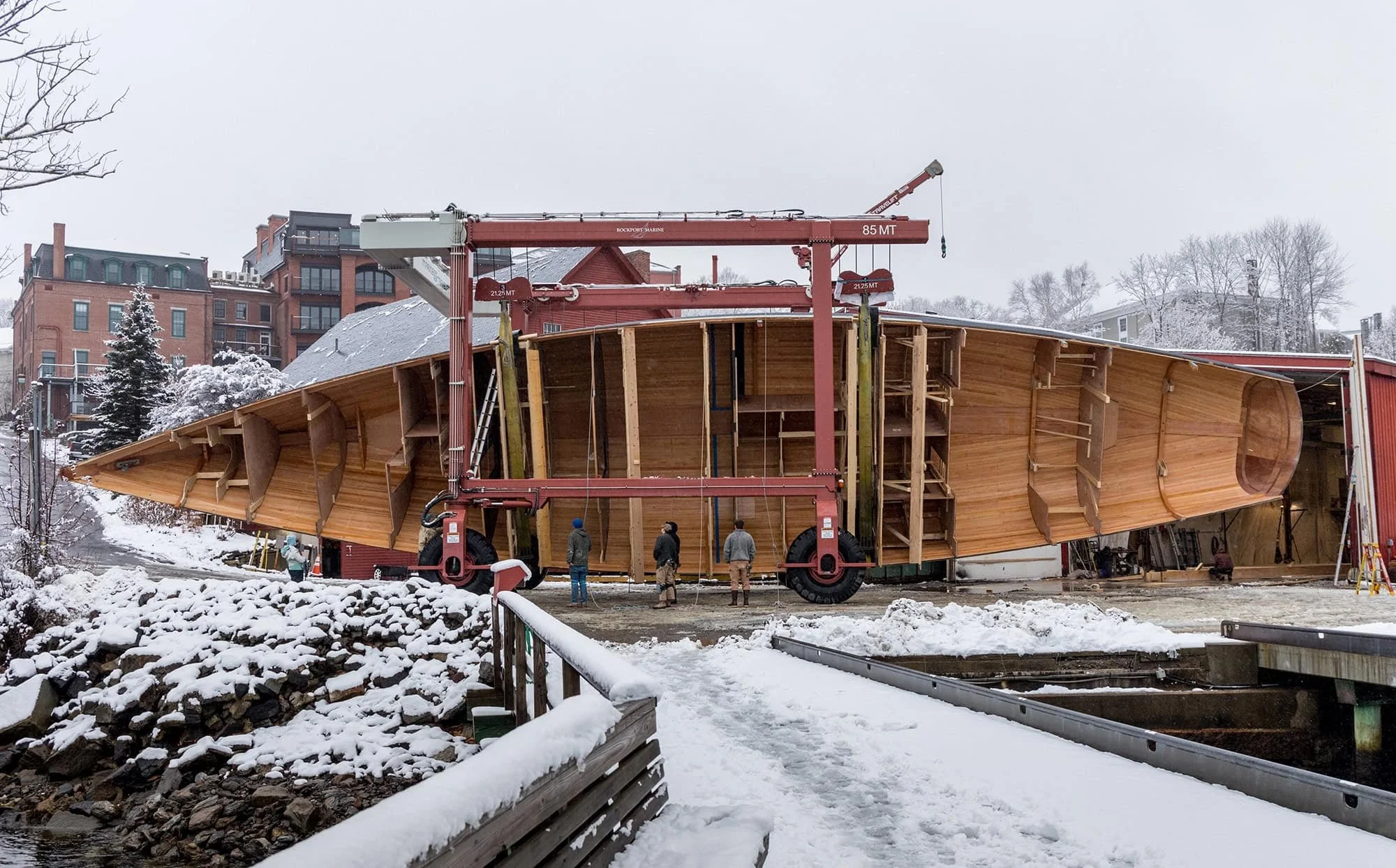
Project OUZEL’s hull is cold-molded wood composite—a construction method using Douglas fir and western red cedar, paired with carbon fiber, E-glass, and foam cores. The result is a strong, lightweight structure that holds its shape under load and stands up well over time.
This approach is a specialty at Rockport Marine. Wood composite offers many of the performance and durability benefits of fiberglass, but with the warmth, quiet, and natural feel of a wooden yacht—and far less maintenance than traditional plank-on-frame construction.
Timeline
Late 2021 – MCM Newport approaches Langan Design Partners.
Early 2022 – Mark Whiteley Design and Rockport Marine join the team.
August 2023 – Plans are approved and construction begins at Rockport Marine.
December 2023 – Hull goes upright for the first time.
September 2024 – Deck is fitted.
November 2024 – Deckhouse is added.
Mid October 2025 – Keel attached and mast stepped (Planned)
Late October 2025 – Technical launch (Planned)
November 2025 – Sea Trials (Planned)
December 2025 – Delivery (Planned)